Is a Security Wrought Iron Fence Worth It for Loading Docks?
Is A Security Wrought Iron Fence Worth It For Loading Docks?
A loading dock is more than a place where trucks come and go. It is often where inventory, trailers, equipment, dumpsters, and employees are most exposed to outside activity. A security wrought iron fence can create a clear boundary around that space while helping you keep dock operations visible and controlled.
As the holiday season brings earlier sunsets, heavier shipping activity, and occasional rain in Fresno, we recommend taking a close look at dock security. The right fence system should protect your property without blocking truck access, slowing forklift routes, or creating problems for scheduled deliveries. When we assess a site, we look at security, gate access, visibility, upkeep, and the operational impact of a damaged or poorly planned perimeter.
How Wrought Iron Fencing Protects Dock Operations
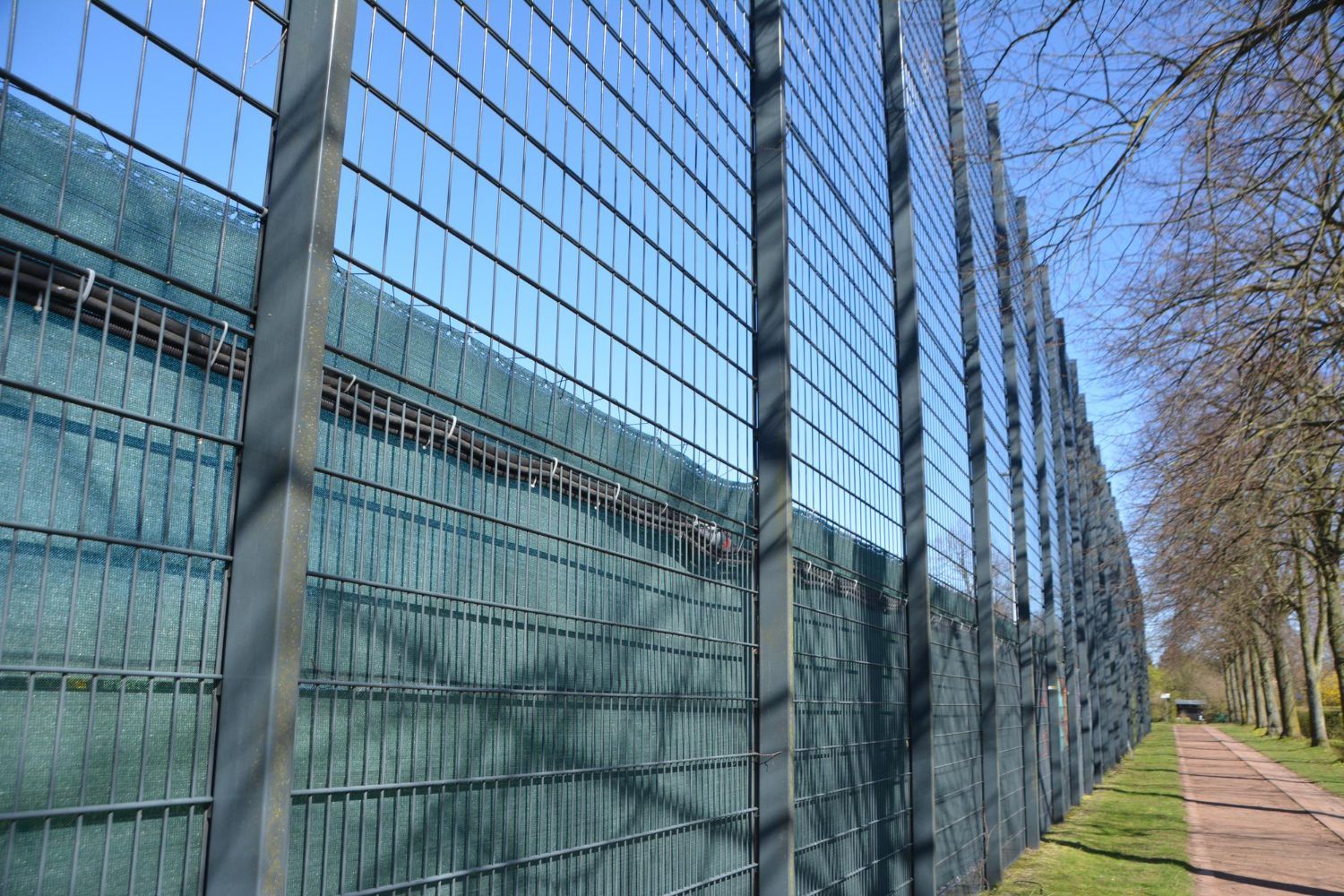
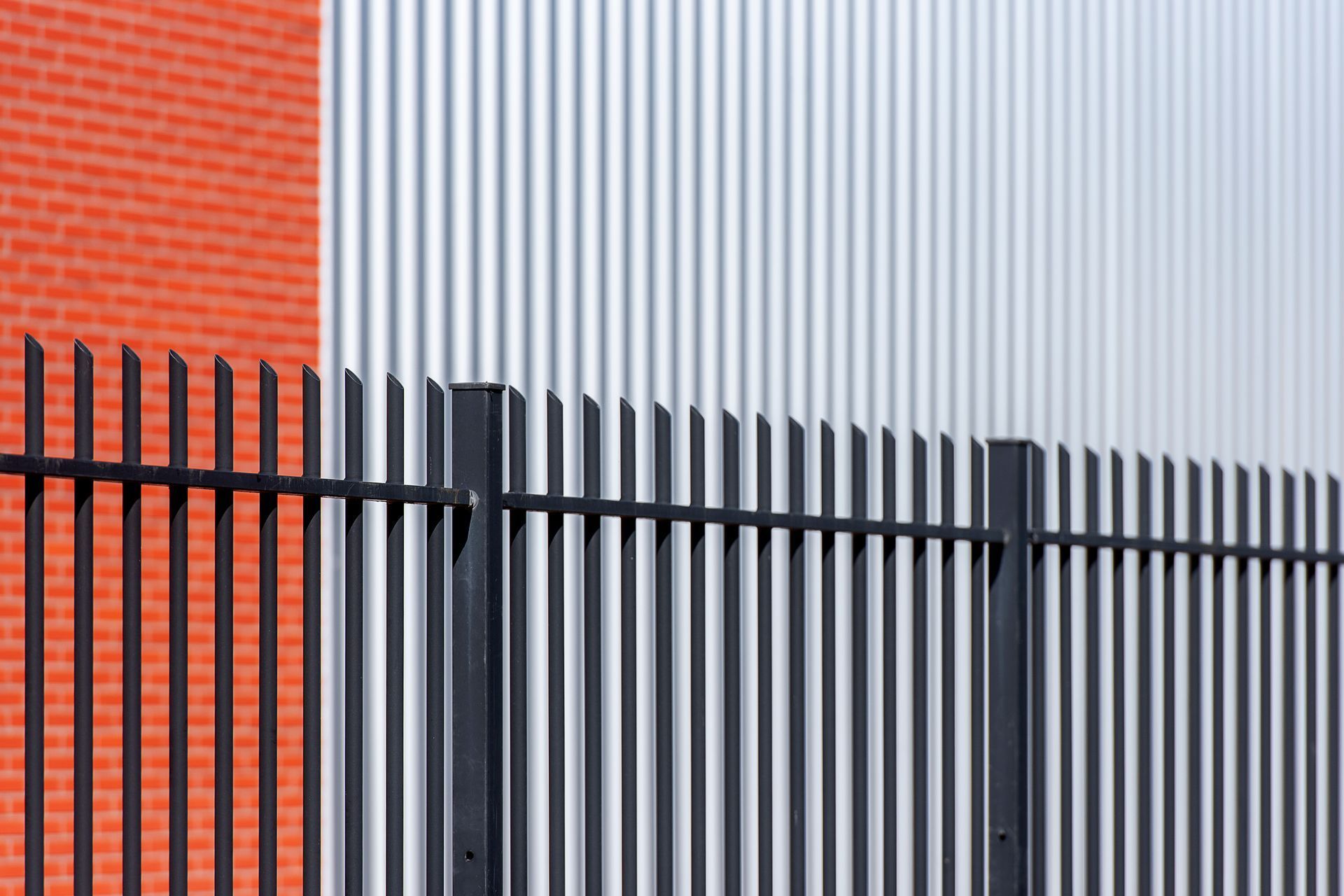
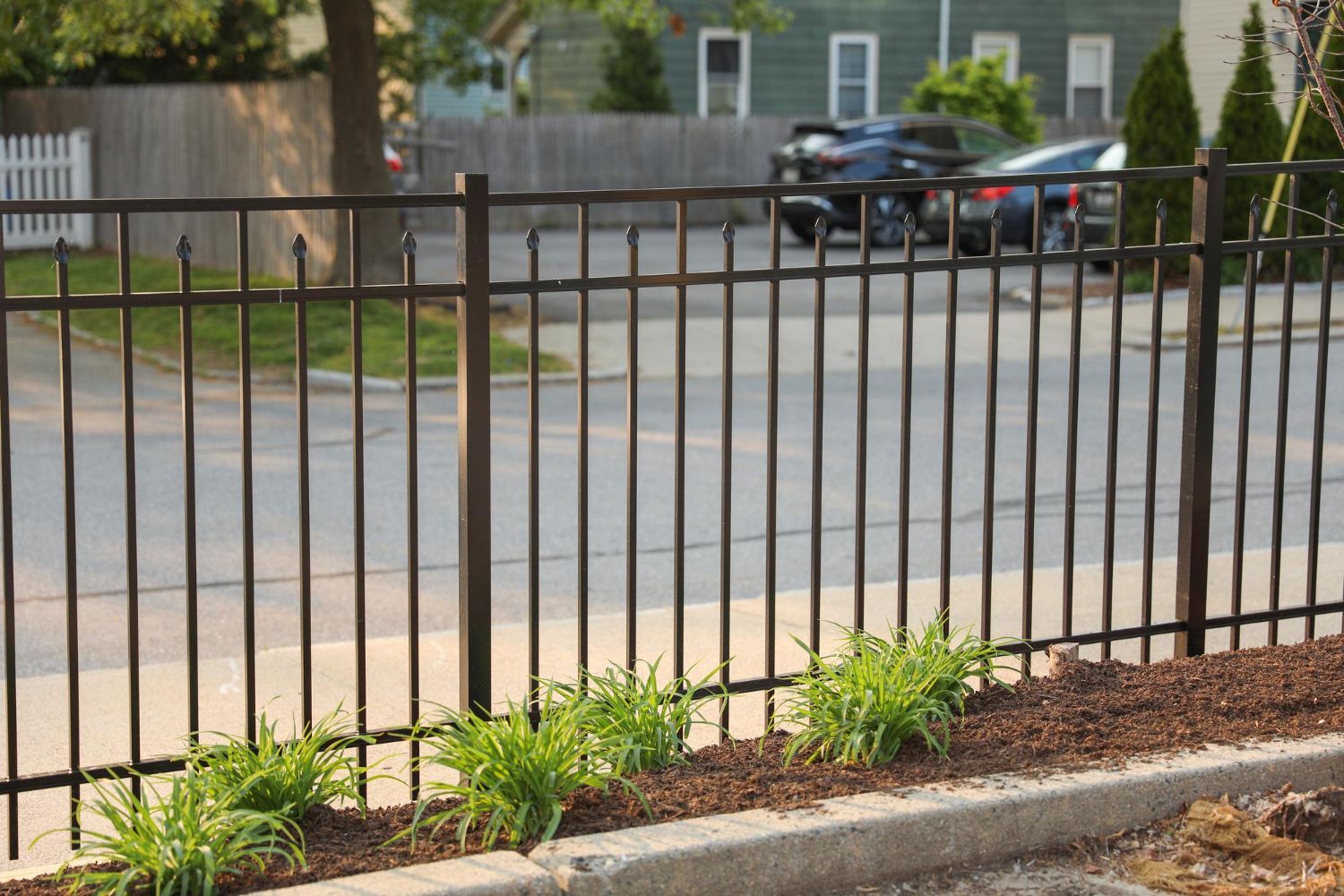
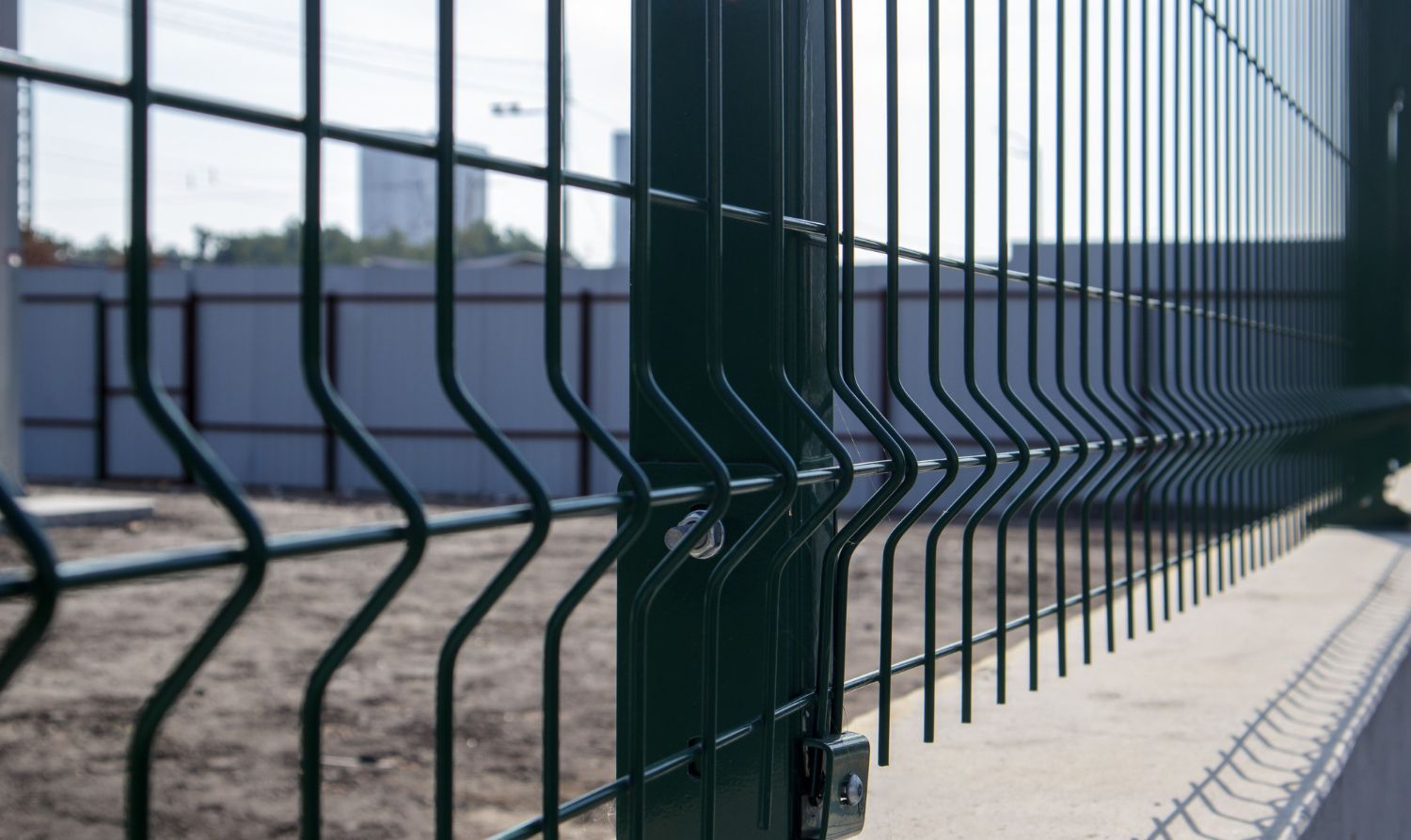
A security wrought iron fence gives your dock area a rigid physical boundary. Compared with lighter perimeter materials, ornamental iron can make it harder for unauthorized people to climb through, cut through, or force their way into a restricted area. It also sends a straightforward message: this portion of the property is controlled and off-limits.
The level of protection depends on how the system is designed. We can help you consider details such as:
- Fence height based on the exposure of the dock area
- Picket spacing that limits easy access
- Rail and post placement for added strength
- Anti-climb features for areas with greater security concerns
- Separation between public-facing areas and employee-only spaces
Visibility is one of the strongest reasons to consider ornamental iron around a loading dock. A solid wall can block unwanted views, but it can also hide activity near dock doors, parked trailers, stored materials, and waste areas. With an open iron design, your employees, security staff, cameras, and nearby businesses can see what is happening around the perimeter.
That line of sight matters after business hours and during busy delivery windows. If equipment is stored near the dock or trailers sit on-site overnight, a visible security boundary can make unusual activity easier to spot sooner. The fence still defines the property line without turning the dock into a hidden corner.
Security Gates Make Access Control Work
A fence alone cannot manage who enters and exits the dock. Gates are where a security plan becomes part of your daily workflow. We often recommend planning separate access points for employees, delivery drivers, service vehicles, and emergency responders rather than relying on one opening for everyone.
Depending on the layout, a security wrought iron fence can work with swing gates, sliding gates, or automated gate systems. Access control options may include keypad entry, card access, telephone entry, and automatic gate operators. The best choice depends on how often vehicles enter, how much turning room trucks need, and whether the gate will be used throughout the day or mainly after hours.
Good gate placement helps prevent a common problem: creating security that gets in the way of operations. A gate that is too close to a dock lane can cause trucks to queue in unsafe areas. One that opens into a busy forklift route can create conflicts for workers. We plan gate locations around traffic patterns so protection and productivity can work together.
For a loading dock, access planning should account for:
- Trailer turning clearance and waiting areas
- Forklift routes and pedestrian walkways
- Employee entry points
- Delivery schedules and vendor access
- Emergency vehicle access requirements
Comparing Security and Long-Term Value
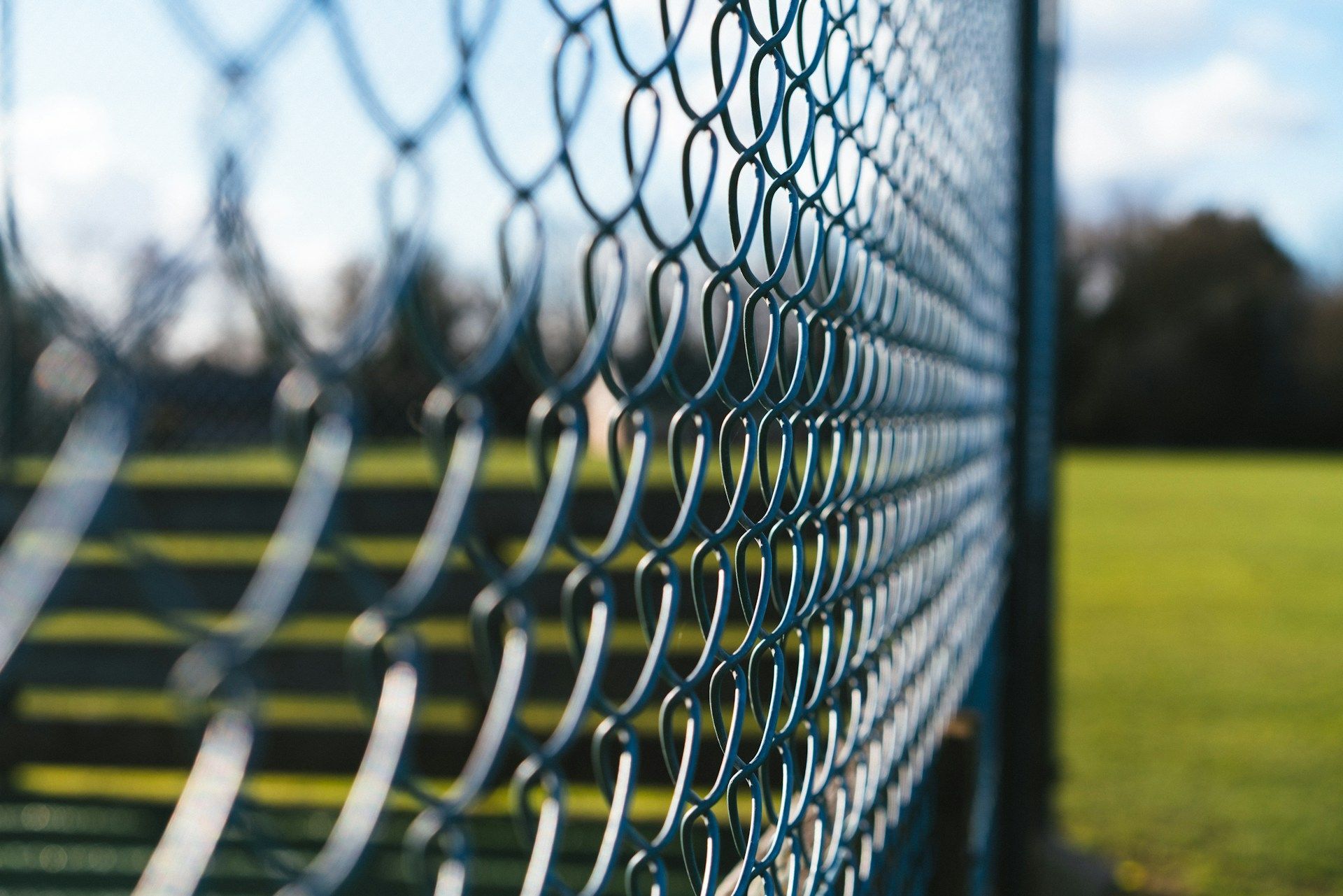
Whether ornamental iron is worth the investment depends on your facility, its location, and the risks around the dock. Chain link fencing can be a practical, cost-conscious choice for many commercial sites. It can secure large areas efficiently and works well when appearance and visibility needs are straightforward.
A security wrought iron fence may make more sense when the dock is highly visible, close to public traffic, or used to store valuable equipment and materials. Its rigid construction and finished appearance can offer a more polished look than many other fence types. For properties where the dock perimeter is part of the public view, that can be an important part of the decision.
Wood fencing and solid walls may provide privacy, but they can reduce sightlines. In a busy dock area, limited visibility can make it harder to monitor activity and spot damage, dumping, or unauthorized entry. We help you weigh privacy against the ability to see dock doors, equipment, and vehicle lanes.
Long-term upkeep should also be part of the conversation. Quality commercial ornamental iron systems can be finished with protective coatings that help resist corrosion from rain, irrigation, standing water, and moisture. This is especially worth considering in areas where sprinklers regularly hit the fence line or drainage sends water toward posts and gates.
The cost of a weak perimeter is not limited to a damaged fence panel. Dock intrusions can lead to stolen materials, vandalism, unauthorized dumping, shipment delays, insurance concerns, and disruption for employees. We encourage you to view fencing as one piece of a broader plan for protecting assets and keeping work moving.
Planning for Holiday Season and Rainy-Weather Conditions
Late fall is a smart time to inspect a loading dock perimeter. Earlier darkness can reveal gaps in lighting and camera coverage. Rain can show where water pools near gates, where muddy shortcuts form, and where drainage may affect fence posts or vehicle access.
Before the busiest year-end delivery period arrives, we recommend looking for weak access points, leaning sections, damaged gates, and places where valuable items are visible from outside the property. A site review can also reveal whether employees and drivers are taking routes that were never meant to be entrances or exits.
Every dock needs its own plan. Truck traffic, forklift movement, trailer storage, and delivery schedules vary widely from one facility to another. When we design a fencing layout, we consider fence height, post depth, gate placement, lighting, camera sightlines, drainage, pedestrian separation, and emergency access.
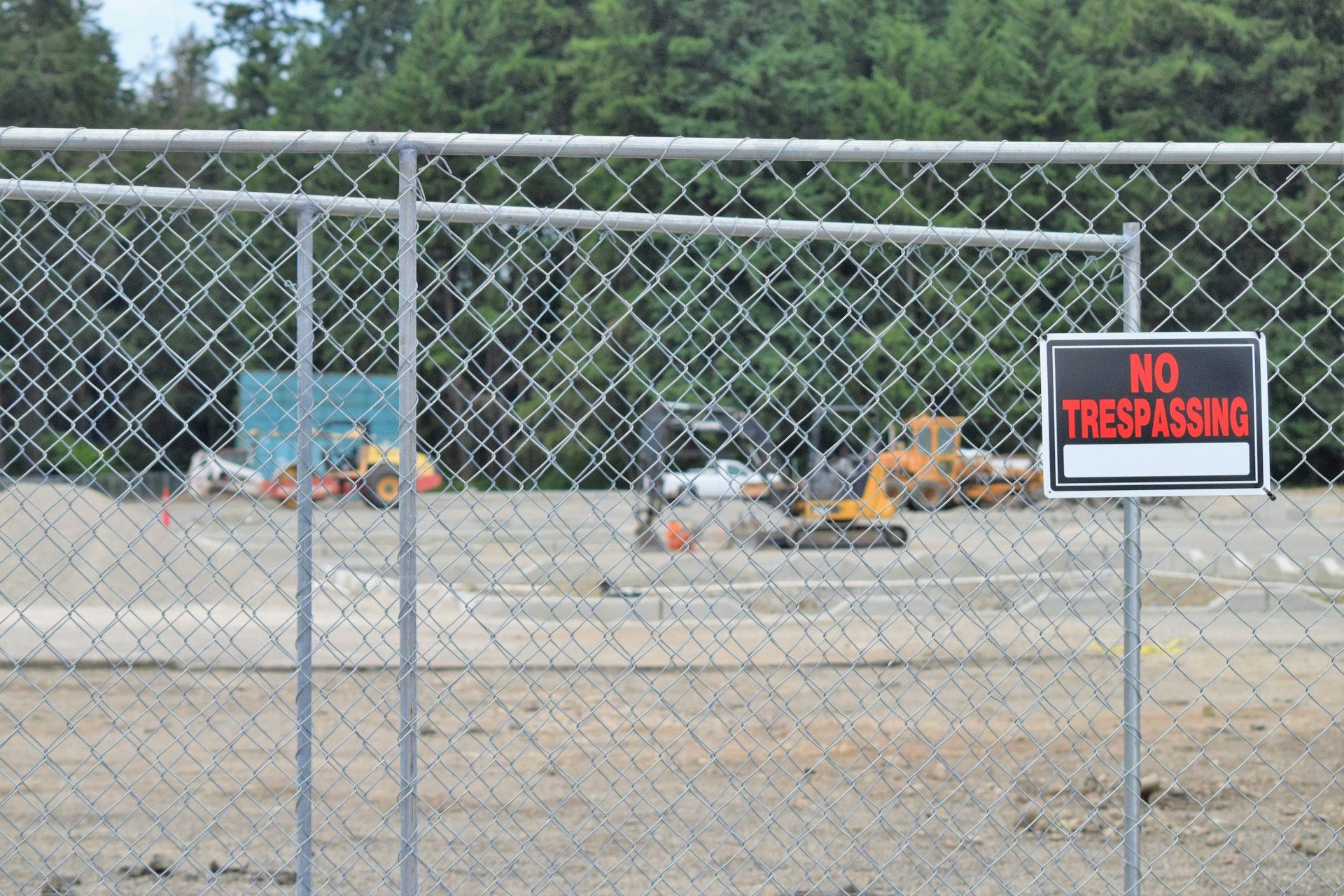
Installation timing also matters. Work may need to be coordinated around shipping schedules, seasonal inventory, and holiday deliveries. Temporary fencing can help protect work areas during construction, repairs, or a facility expansion while keeping access organized for employees, vendors, and responders.
Assessing Your Current Loading Dock Perimeter
California Commercial Fence works with commercial property managers, warehouse operators, manufacturers, agricultural businesses, and distribution facilities in the Fresno area, as well as customers throughout California and western states. Our team can provide guidance on ornamental iron systems, commercial fencing, security gates, temporary fencing, and emergency fence repairs based on how your dock actually operates.
Start by walking the perimeter during daylight and after sunset. Look for damaged fencing, outdated gates, poor lighting, open views of stored inventory, and areas where people can enter without authorization. A well-planned security wrought iron fence can support safer access, clearer visibility, and greater confidence around one of your property’s busiest areas.
Strengthen Dock Security With a Durable Plan
California Commercial Fence can help you choose a
security wrought iron fence that fits your loading dock’s access, visibility, and operational needs. Our team considers gate placement, fence height, and site layout to create a practical solution for your property.
Contact us to discuss your project and request a tailored recommendation.