Understanding Chain Link Fence Grades for Fresno Job Sites
Start with the Right Fence Grade for Your Fresno Job Site
A chain link fence is not a one-grade product. The right choice depends on what happens at your property each day, from public access and equipment traffic to security needs, perimeter length, and exposure to sun and moisture. A warehouse yard, school, agricultural operation, construction site, and apartment community can all need different fence specifications.
When we review a property, we look beyond the fabric’s appearance. Posts, rails, fittings, gates, and installation methods all affect how well a fence holds up over time. Choosing a lighter system for a demanding location can lead to sagging, impact damage, gate trouble, and earlier replacement needs.
A site review helps us identify the details that matter, including equipment storage, employee safety, livestock containment, drainage, wind exposure, and needed vehicle or pedestrian access. Fence grades are generally defined by material specifications, so it helps to understand how wire gauge, mesh size, framework, coatings, and installation timing work together.
Know How Fabric Gauge and Mesh Affect Performance
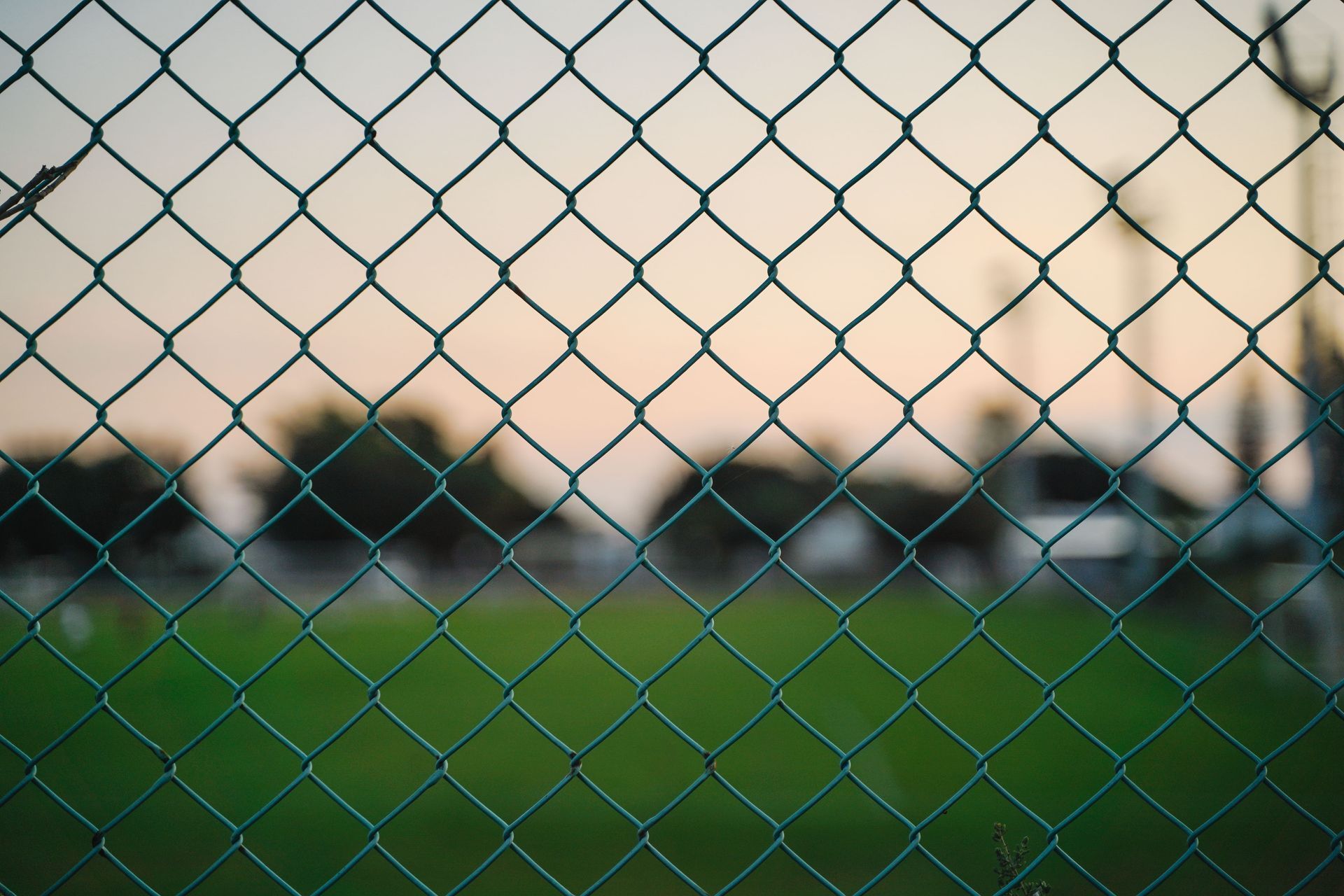
Wire gauge tells you how thick the chain link fabric is. Lower gauge numbers mean thicker wire. Lighter fabric may work for a low-risk boundary or a temporary need, while heavier fabric is often a better match for commercial yards, industrial facilities, athletic areas, public properties, and busy locations.
Common options can include 11 and 11.5 gauge fabric for lighter applications and 9 gauge fabric for many commercial settings. More demanding security conditions may call for heavier wire. The best choice is not automatically the thickest wire available. It is the wire that fits the site’s expected use and expected lifespan.
Mesh size matters, too. Two-inch mesh is common for many commercial fencing applications because it offers a practical balance of visibility, strength, and material use. Smaller openings can make climbing more difficult, help contain smaller animals, and add protection around equipment or specialty areas. Larger openings may make sense for some agricultural or lower-security boundaries where visibility is a priority.
For a chain link fence in Fresno, we recommend comparing fabric choices with the conditions around the fence line, including:
- Dust from open lots, roads, and active work areas
- Direct summer sun and long outdoor exposure
- Irrigation runoff, fertilizer, and other moisture sources
- Equipment movement near the perimeter
- The level of public access to the property
A fence that looks similar from a distance may perform very differently once daily traffic, weather exposure, and security concerns are factored in.
Match Framework Strength to Site Demands
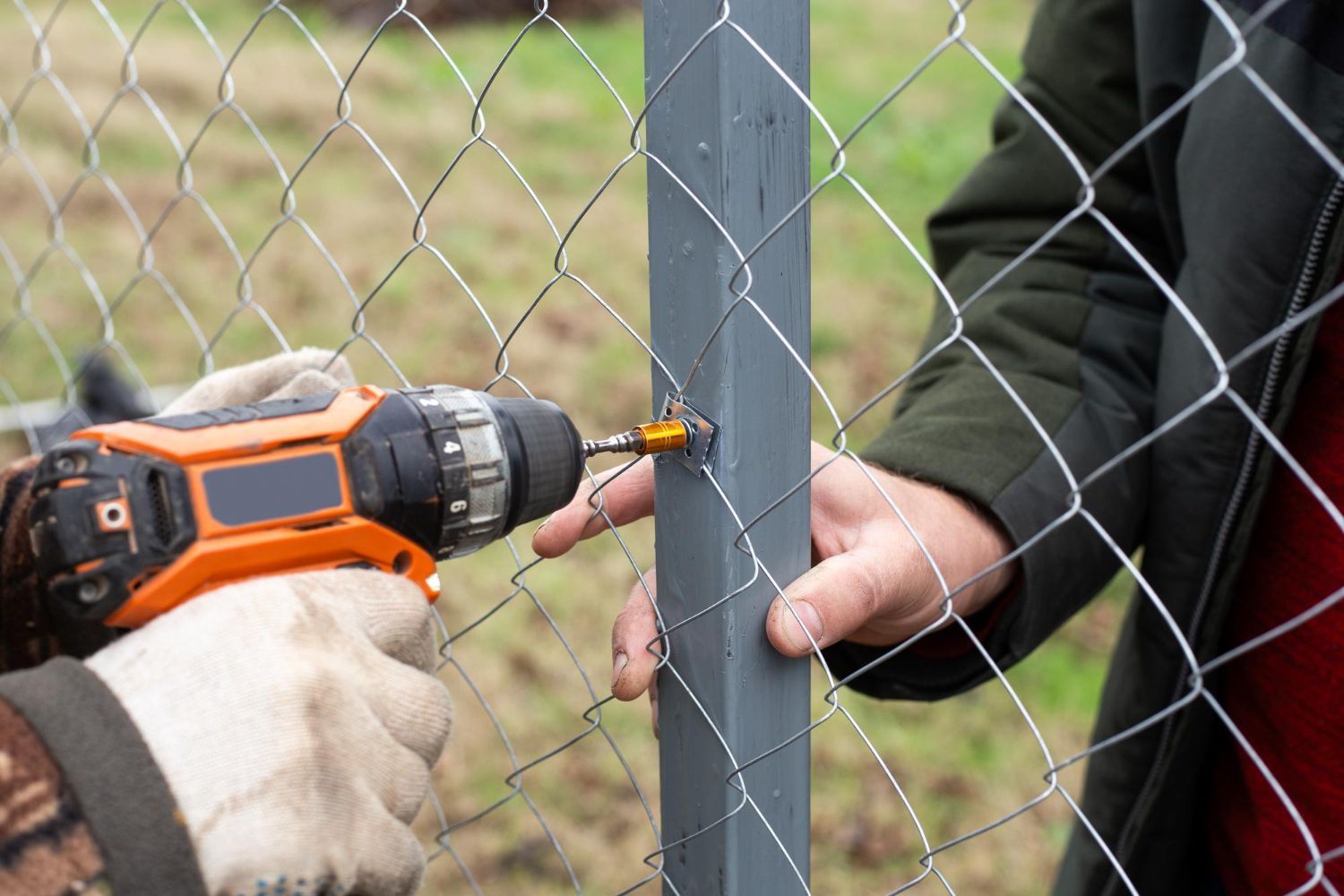
Strong fabric needs a stable frame behind it. Terminal posts, line posts, top rails, bottom rails, brace rails, tension wire, bands, and fittings all work together to keep the fence straight and secure. If the framework is too light for the fence height, run length, or pressure on the system, the fence can lean, sag, or become easier to damage.
Pipe schedule and pipe diameter are important parts of a commercial fence grade. Heavier schedule pipe has thicker walls, which can provide better resistance to bending, impacts, and long-term wear. Larger terminal and gate posts are especially important because they carry force from stretched fabric, gate movement, wind, and repeated use.
Sites that often benefit from stronger framework include:
- Tall fence lines and long perimeter runs
- Open areas with frequent wind exposure
- Loading zones and equipment storage yards
- Properties with heavy vehicle activity
- Entrances with security or vehicle gates
Gates need their own careful planning. A high-use vehicle gate may need upgraded posts, hinges, rollers, or automated components. We match the framework to the fabric, gate size, and property layout so the full system can perform as intended, rather than leaving one weak point to carry too much stress.
Choose Coatings That Handle Fresno Heat and Moisture
Galvanized steel is widely used for commercial chain link fencing because it provides corrosion resistance and a traditional metallic finish. Vinyl-coated chain link has a colored outer layer over galvanized wire, often in black, green, or brown. That added color can help a fence blend into landscaping, campuses, multifamily properties, or public-facing areas.
Fresno properties deal with long periods of sun, high temperatures, dust, irrigation overspray, fertilizer exposure, and occasional fall and winter rain. Those conditions can affect fence materials over time, especially at cut ends, fittings, and moving gate components. Coating quality matters because worn or damaged protective layers can leave metal more exposed at vulnerable points.
For an industrial yard or utility area, galvanized chain link may be the practical fit. For an office property, school, or residential setting, vinyl-coated materials may better support the property’s appearance goals. Regardless of coating choice, regular professional inspections can help spot loose ties, bent rails, damaged fabric, leaning posts, and gate issues before they grow into larger access or security concerns.
Plan Fall Installation Before Seasonal Delays
October is a smart time to evaluate fencing needs before wet weather creates muddy conditions, drainage problems, or project scheduling delays. Fall planning can give property managers and contractors time to repair damaged perimeter fencing, expand secured storage, improve access control, or prepare a site for upcoming work.
Waiting until a fence fails can force a rushed material decision. A well-planned project gives us time for field measurements, fabric and framework selection, gate planning, utility awareness, and coordination with paving, landscaping, construction, or security teams.
As you review the property this fall, pay attention to drainage near fence lines, rusted or leaning posts, and the operation of existing gates. Identify where pedestrians, deliveries, work vehicles, livestock, equipment, and stored materials need to move. For immediate protection after damage, we can also assist with emergency fence repair.
Build a Site-Specific Fence Plan
Wire gauge alone does not define the best fence grade. The most dependable choice brings together the right fabric, mesh, framework, coating, gates, and installation approach for the risks and daily demands of your property.
Before selecting materials, make a clear list of what the fence must contain, protect, and allow through. That practical review will help you choose a system built for the way your site actually operates, not just one that looks acceptable on installation day.
Get a Fence System Matched to Your Site
California Commercial Fence can help you compare options for a chain link fence in Fresno based on your property’s access, security, and durability needs. Our team will help identify practical specifications that support daily operations and long-term performance. Ready to discuss your project? Contact us for a tailored recommendation.