Common Mistakes Businesses Make When Hiring Fence Contractors in Fresno
Protect Your Property Before Winter Rains Arrive
A well-planned fencing project protects more than a property line. It helps support security, employee access, inventory protection, safety, and normal business operations throughout the year. As November brings holiday activity, shorter daylight hours, and seasonal rain to Fresno, we recommend taking a close look at aging fence lines, damaged gates, and weak access points before site conditions become messier.
Hiring the right contractor matters just as much as choosing the fence itself. We often see problems start when a business selects a contractor based only on the lowest proposal, skips credential checks, accepts a vague scope of work, or treats gates and access control as an afterthought. A strong project starts with clear plans and a contractor who understands your property, daily traffic, and security needs.
Fence Contractors in Fresno Must Meet Core Qualifications
Before signing an agreement, we recommend verifying that the contractor holds an active California contractor license through the Contractors State License Board. The license classification should fit the work being proposed, whether that includes fencing, gates, repairs, or security-related installation. A qualified contractor should be able to explain how its licensing applies to your project rather than brushing aside the question.
Insurance deserves the same level of attention. Ask for current proof of general liability coverage and workers' compensation coverage when applicable. If a worker is hurt or property is damaged during installation, missing coverage can leave the property owner exposed to serious liability and confusion.
Online ratings can be useful, but they do not tell the whole story. Relevant experience matters because a commercial yard, agricultural property, warehouse, or multi-site operation has different demands than a simple residential fence replacement. When speaking with fence contractors in Fresno, ask about projects similar to yours and discuss:
- Experience working around active employees, deliveries, and vehicles
- Familiarity with local permitting, utility coordination, and site access
- Planning for drainage, uneven ground, and muddy conditions
- Methods for protecting the site while work is underway
The right questions can reveal whether a contractor plans ahead or simply reacts once the work has started.
Low Bids Can Hide Material and Scope Gaps
Comparing proposals by the final number alone is one of the easiest ways to choose the wrong fit. A short estimate may leave out work that your property needs, such as demolition, disposal, concrete footings, terminal posts, rails, tension wire, gate hardware, access-control components, or final cleanup.
Instead, we encourage you to compare line items and written details. You should be able to see what is being removed, what is being installed, where the fence will go, and what condition the contractor will leave the site in. If something is not written down, it can lead to different expectations later.
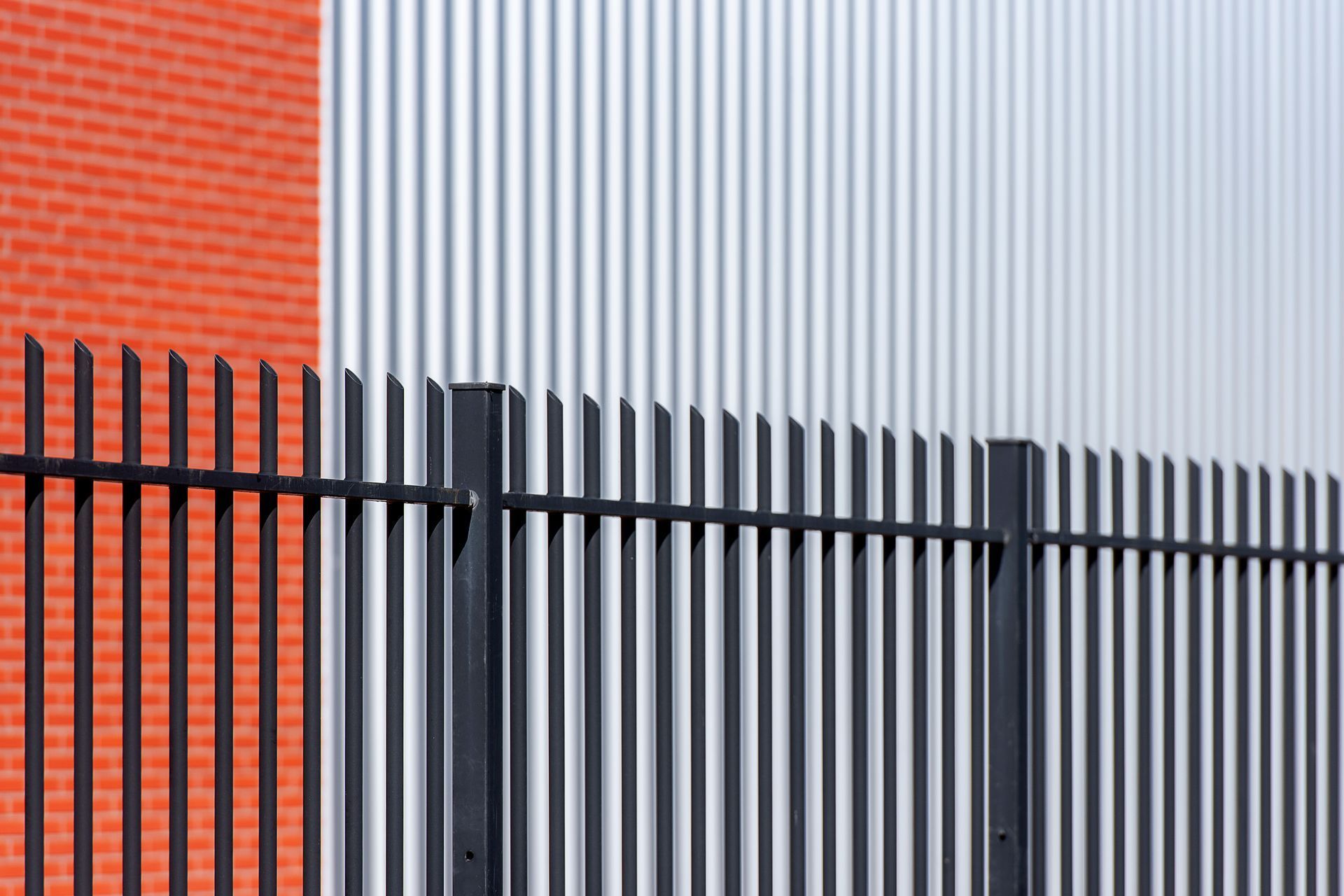
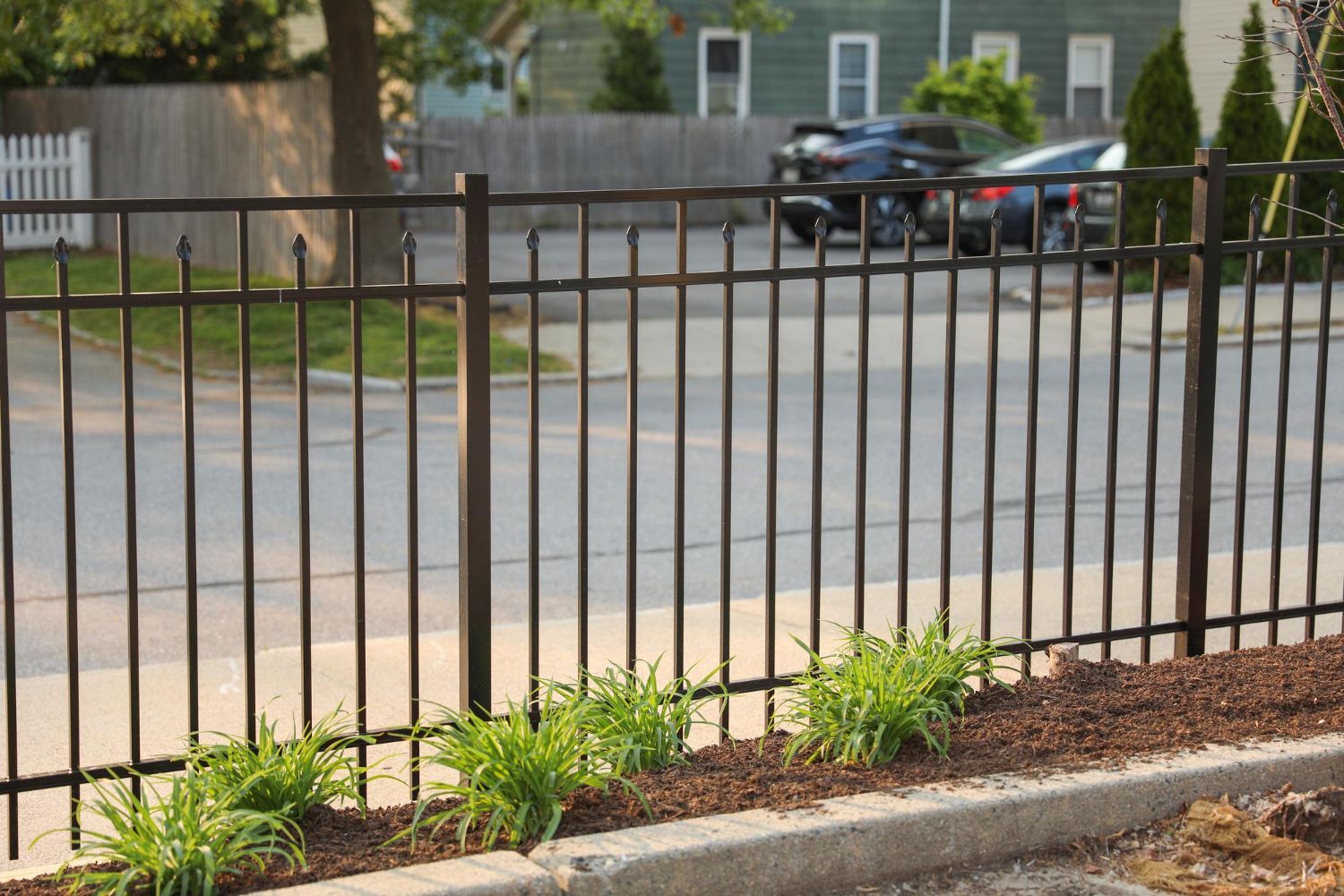
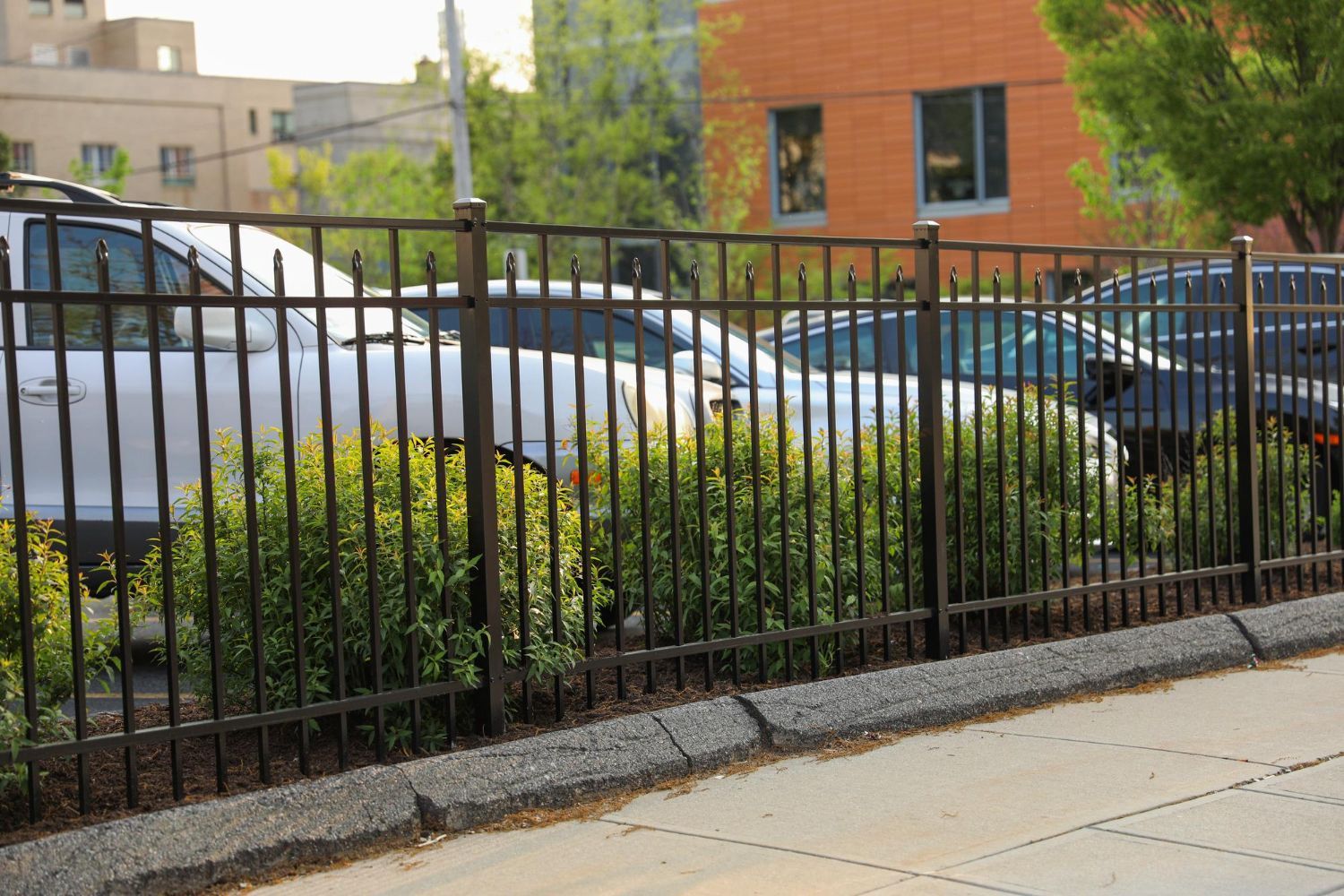
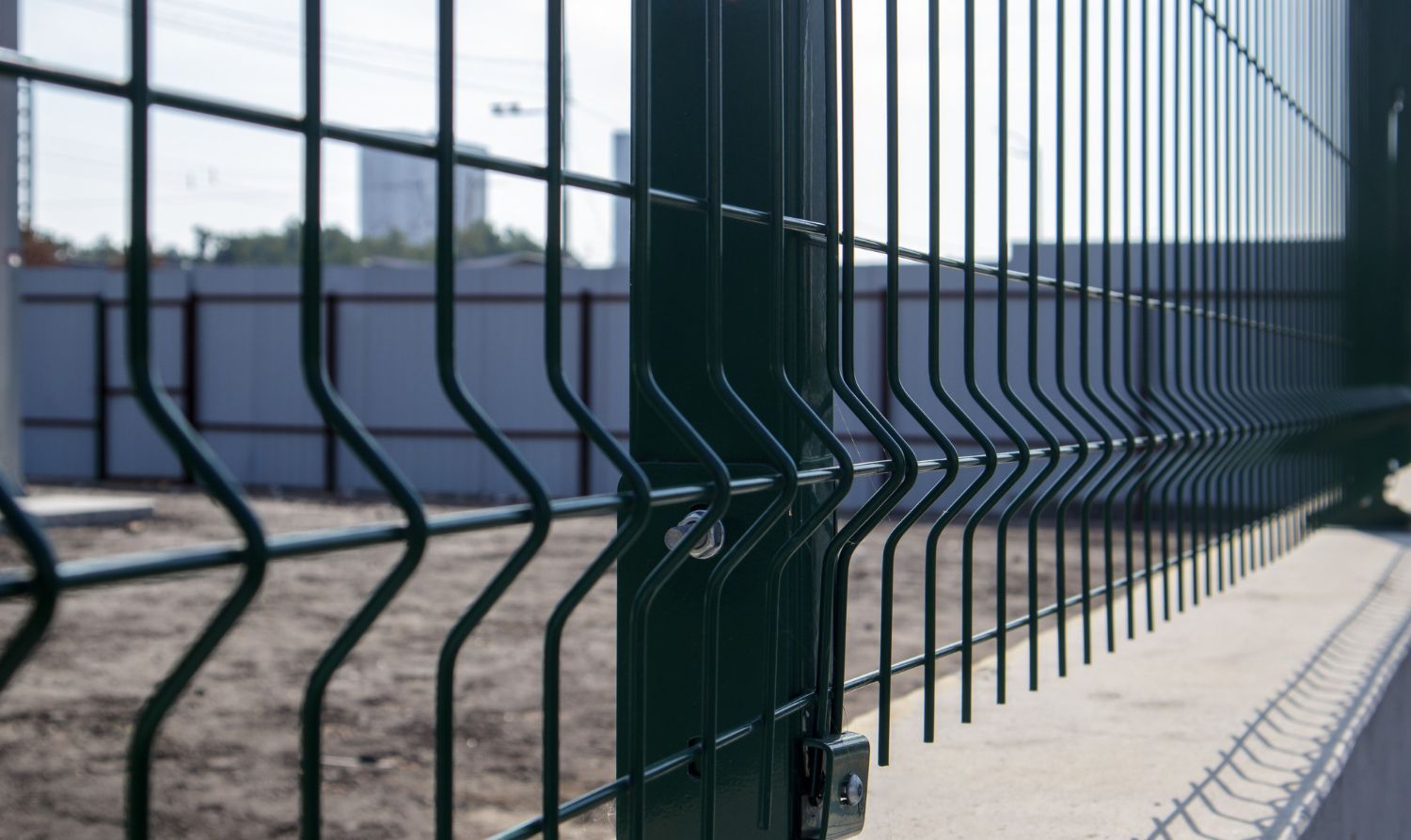
A complete proposal should clearly describe the materials. Depending on the fence type, that may include the height, linear footage, chain link mesh size, wire gauge, post size, rail placement, coating, footing depth, ornamental iron design, and gate dimensions. Those details are not paperwork for paperwork’s sake. They help make sure the fence is suited to your security level, visibility needs, sun exposure, rain exposure, and vehicle traffic.
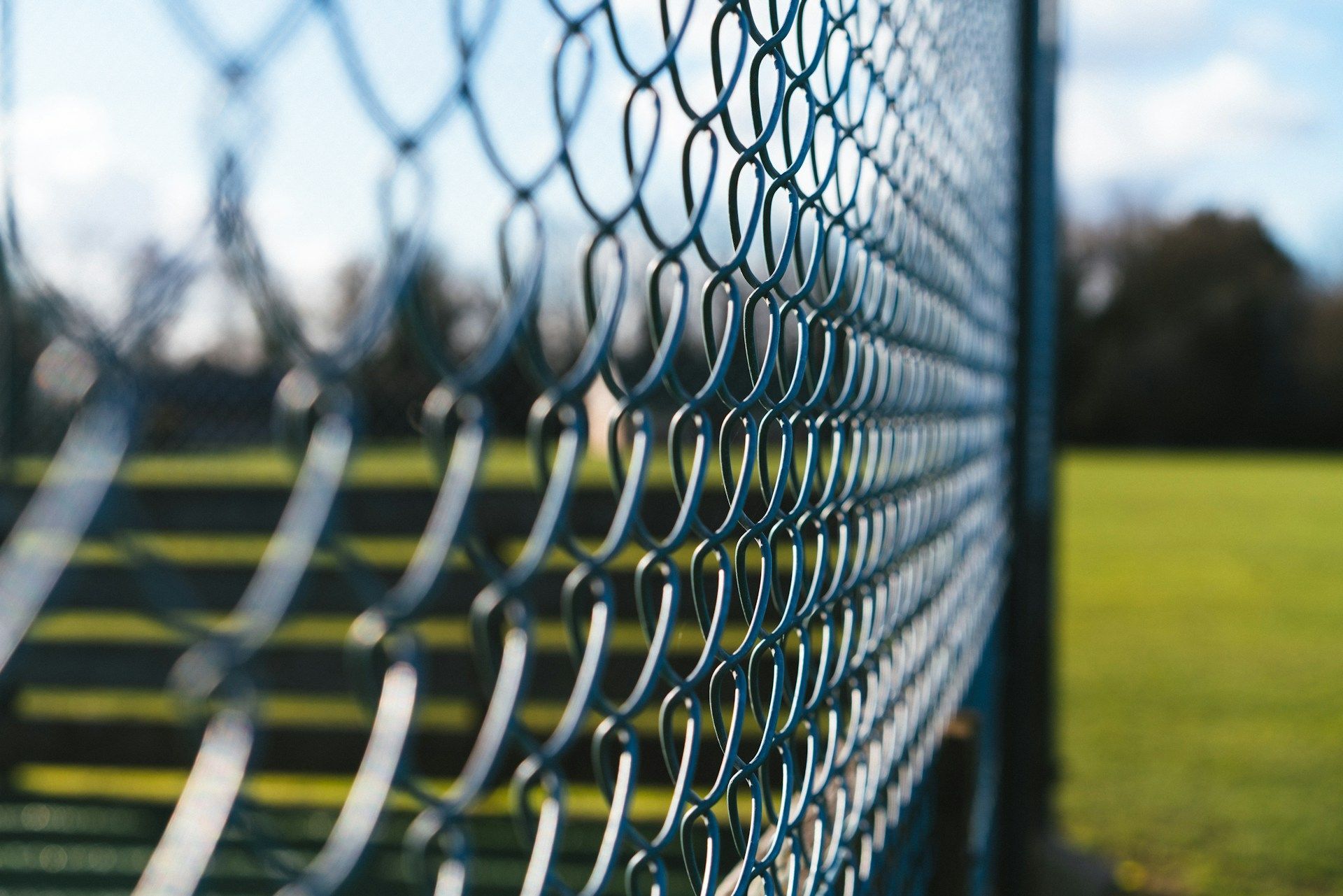
When you need options, ask for clear alternates instead of guessing what a lower-scope proposal means. For example, a contractor can explain the practical differences between galvanized and vinyl-coated chain link, standard and heavy-duty gates, manual and automated entry, or temporary and permanent fencing. The goal is not to choose the biggest package. It is to select a fence system that can perform reliably for the way your property actually operates.
Security Plans Must Support Daily Operations
A fence can look secure from the street and still create headaches inside the property. Gates that are too narrow, poorly placed access points, or awkward traffic flow can slow down employees, delivery drivers, fleet vehicles, and emergency responders. Before choosing fence lines and gate locations, we suggest mapping how people and vehicles move through the site each day.
Gate design should be part of the first conversation, not a last-minute add-on. A thoughtful plan considers gate width, swing or slide direction, operator type, keypad placement, card access, remote controls, intercoms, cameras, and emergency override options. Warehouses, agricultural sites, construction areas, and industrial properties may all need different levels of access and control.
Installation phasing is another detail that should not be overlooked. Your contractor should explain how the property will remain protected during demolition, repairs, and new installation. Helpful planning may include:
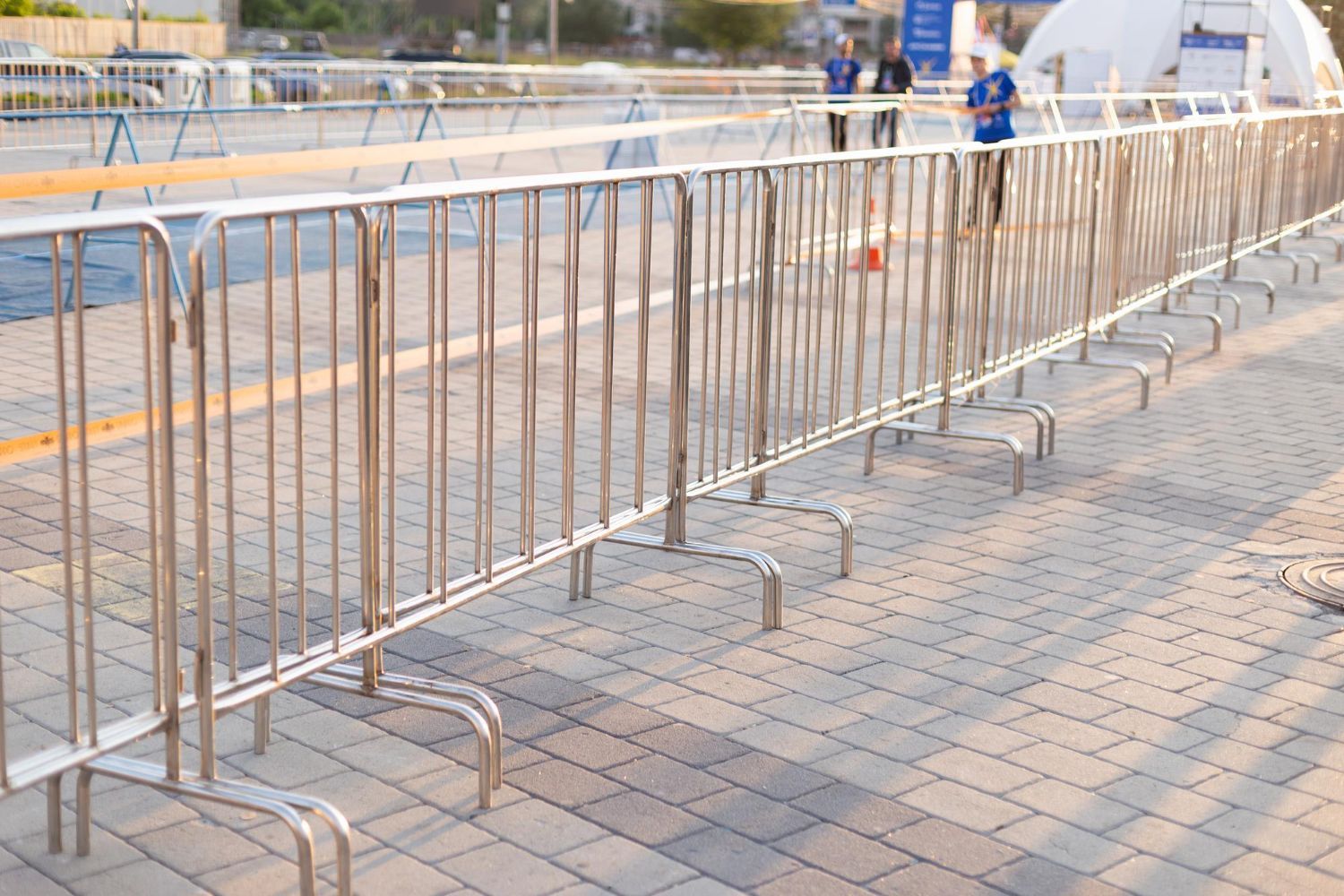
- Temporary fencing around open perimeter areas
- Controlled work zones away from employee and vehicle traffic
- Coordinated gate closures that preserve access where possible
- Clear plans for rain-related site conditions and reduced daylight
Security is not only about keeping unauthorized people out. It is also about helping authorized people get where they need to go without unnecessary delays.
Clear Contracts Keep Fence Projects on Track
Vague contracts create avoidable disputes. We recommend reviewing an agreement that identifies the scope of work, materials, fence locations, gate specifications, demolition duties, cleanup expectations, payment milestones, warranties, and estimated schedule. It should also explain how changes will be approved and documented if hidden site conditions require additional work.
November and winter projects need realistic schedules. Rain, wet soil, permit timing, utility marking, material availability, and limited access to parts of an active site can all affect installation. Be cautious if a contractor promises an unusually fast finish without visiting the property or discussing those factors.
Communication should be written into the process, too. Ask who your main point of contact will be, how often you can expect updates, who has authority to approve changes, and how schedule adjustments will be handled. A detailed contract is not unnecessary complexity. It is a practical tool that keeps everyone aligned and reduces surprises.
Schedule a Site Review Before Winter Weather Arrives
Before seasonal rain worsens a damaged fence or delays a needed security upgrade, take time to inspect your perimeter, gates, and access points. Look for loose sections, leaning posts, worn hardware, areas with poor drainage, and entrances that no longer match the way your team, visitors, or vehicles move through the property.
The strongest hiring decision comes from verified qualifications, a detailed scope, appropriate materials, gate planning that supports daily operations, and clear communication from the start. Those steps help protect your property and keep fencing work from becoming an interruption during an already busy holiday season.
Keep Your Commercial Fencing Project on Track
California Commercial Fence helps businesses work with qualified
fence contractors in Fresno who understand operational needs and project requirements. Our team can help you define the right fencing solution for your property, timeline, and security goals. Ready to discuss your project?
Contact us to get started.