Permit Questions to Ask a Fresno Fence Company Before Work Begins
Start Your Fence Project with Permit Clarity
Permit questions are best answered before materials are ordered, crews are placed on the calendar, or post holes are marked. A new fence, gate, security enclosure, or temporary barrier may be reviewed differently depending on its height, use, location, and the property’s zoning or boundaries. We recommend talking through these details early so you can avoid delays, redesigns, and surprises once work is ready to begin.
Whether you manage a commercial site, run an agricultural operation, oversee an industrial facility, or own a home, the rules can vary by address. A fence company in Fresno should help you ask clear questions about permit responsibility, site conditions, design changes, inspections, and scheduling.
Confirm Who Handles Permit Research
The first question to ask is simple: Will we research permit requirements for this specific property address? A project within the City of Fresno may follow a different process than one in unincorporated Fresno County or another nearby jurisdiction. We do not recommend assuming that one property’s rules will automatically apply to another.
Before a fence plan is finalized, we encourage you to clarify who will handle each part of the process. Some applications may need documents that only the property owner, landlord, facility manager, or authorized representative can provide.
Ask your contractor to explain:
- Which local agency may review the project
- Whether you need to provide a site plan, parcel record, or owner authorization
- Who prepares and submits permit documents, if a permit is needed
- How long research, applications, corrections, and approvals may take
Permit planning should happen at the beginning, not after a crew has already been scheduled. Agency workloads, plan corrections, project details, and inspection availability can all affect timing. When we discuss the process up front, you have a clearer idea of what needs to happen before installation can move forward.
Check Site Rules Before Finalizing the Fence Plan
Fence placement deserves just as much attention as fence style. Before posts go into the ground, you should know where your property lines are and whether the planned fence sits near a shared boundary, alley, easement, drainage area, or utility corridor. Depending on the site, a survey, parcel map, or other property document may be helpful for confirming the intended location.
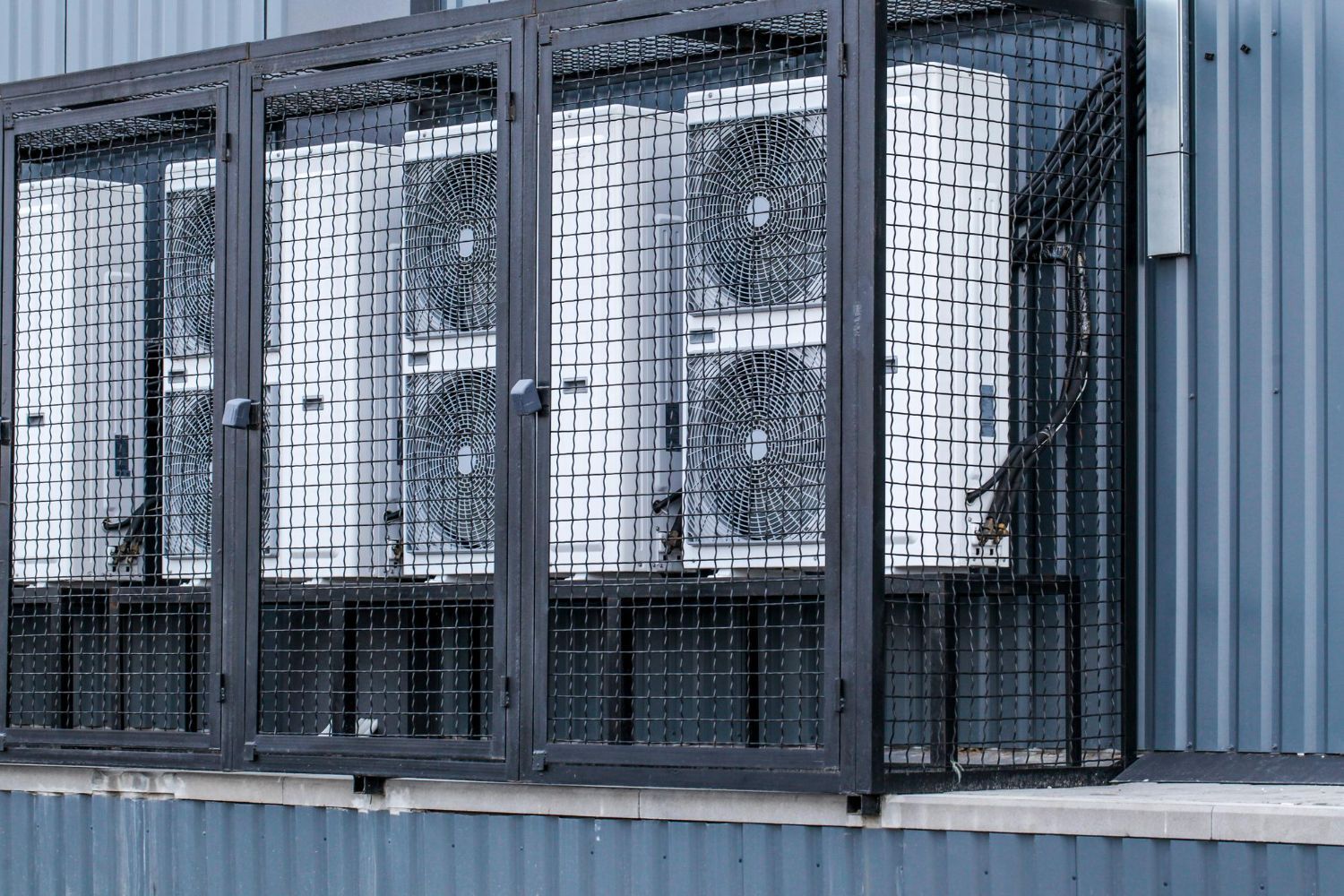
Commercial and industrial sites often have added concerns around parking areas, entrances, loading zones, pedestrian paths, fire lanes, and emergency access. Agricultural properties can have their own onsite features to consider, including irrigation systems, access roads, and larger open areas. We review the project layout with you so the proposed fence fits the site’s needs.
Visibility can also matter near driveways, street corners, sidewalks, and vehicle entrances. Height, material choice, and placement may affect sight lines for drivers and pedestrians. That is why a plan that looks good on paper should still be checked against the real conditions around the property.
Underground utilities are another major part of pre-construction planning. Ask how utility locating will be coordinated and what information you need to share about private onsite systems.
Helpful details to provide include:
- Irrigation lines and drainage components
- Private electrical or communication lines
- Existing gate operators and access-control equipment
- Lighting, signage, or security equipment near the fence route
- Areas with prior construction or buried site features
Private lines may not be visible during a standard utility marking process. Giving us as much site information as possible helps us plan carefully before excavation begins.
Understand How Design Changes Affect Approval
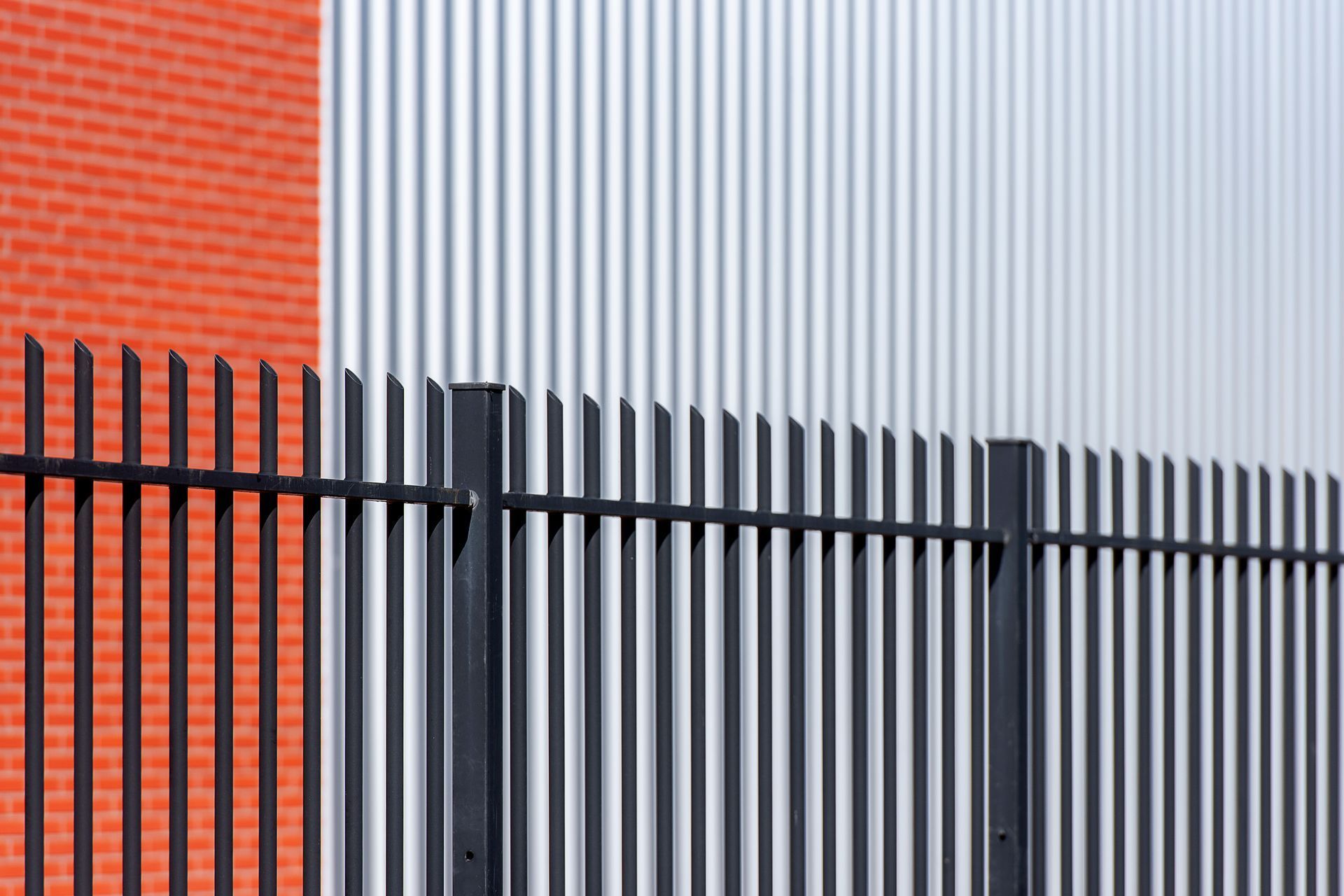
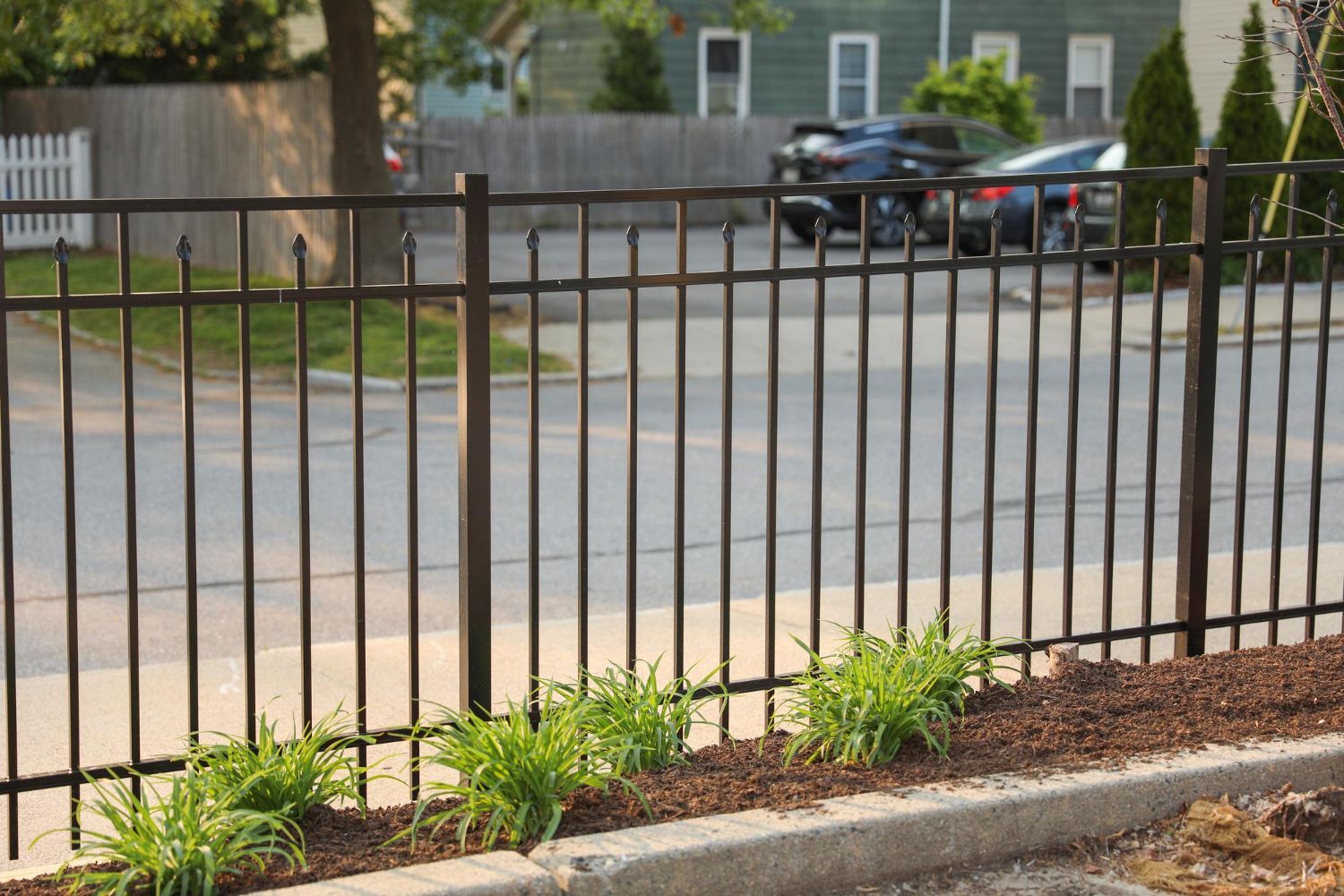
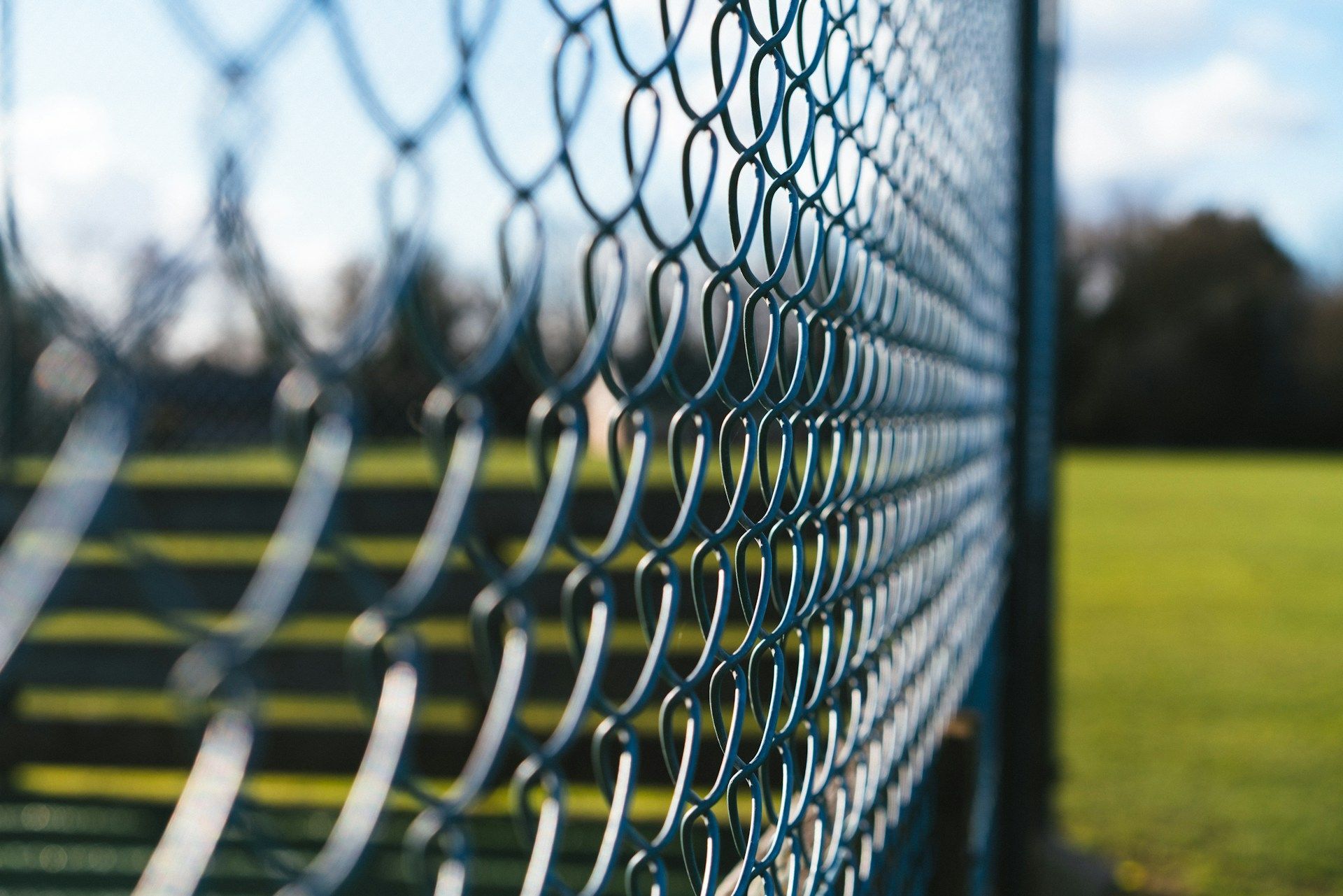
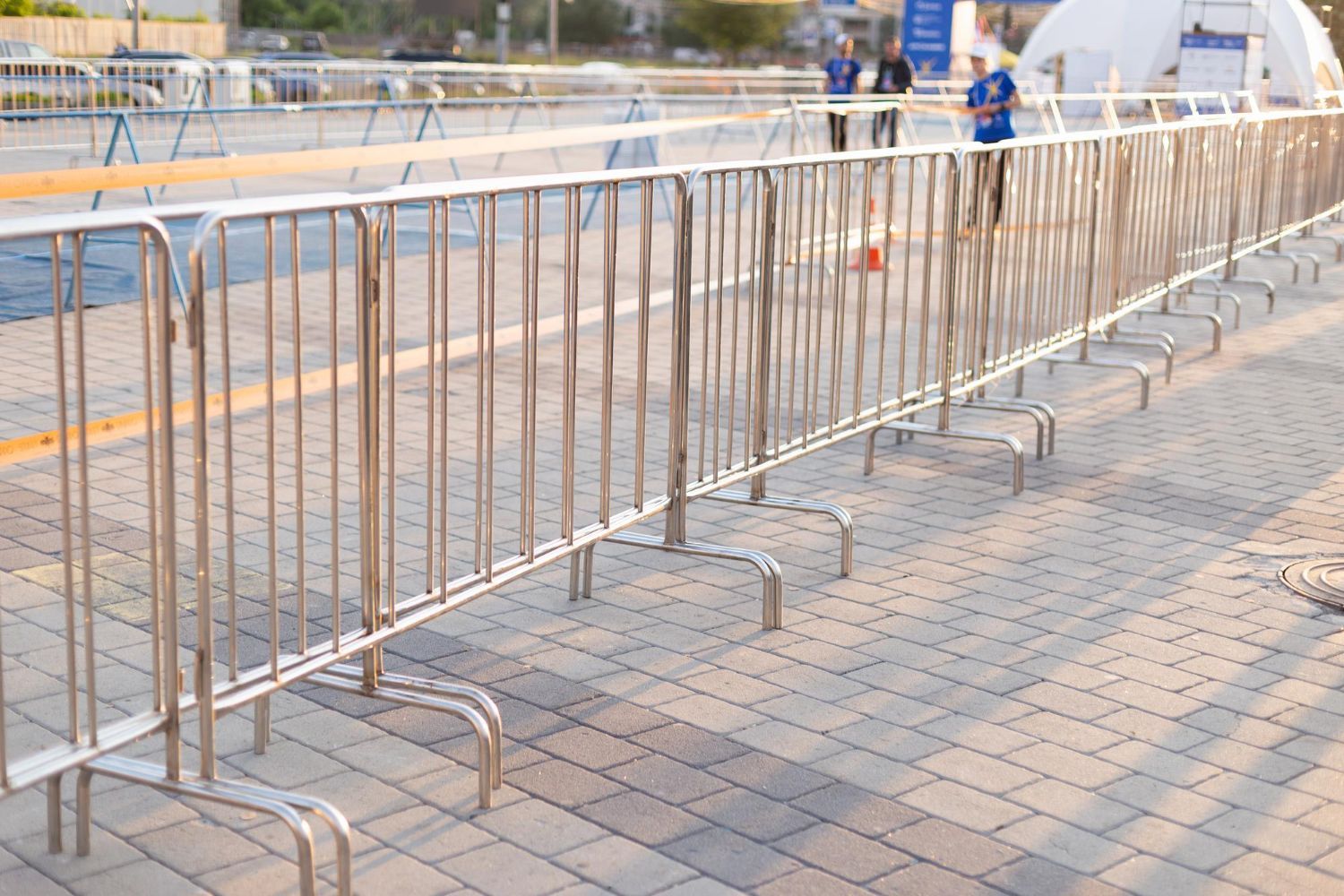
The fence you choose can influence the type of review your project receives. Chain link, wrought iron, privacy fencing, security fencing, temporary fencing, and custom gates can each raise different questions based on their height, placement, and purpose. We recommend making sure the materials and layout in your proposal match what will appear on any permit documents or site plans.
Gates deserve special attention because they do more than open and close. Vehicle gates, automated gates, access-control systems, and emergency entry features can affect traffic flow, safety planning, and access around the property. Gate placement may need to account for sidewalks, drive aisles, fire access, tenant entry, or delivery activity.
It also helps to ask what happens if a reviewing agency requests changes. A revised fence height, moved gate location, adjusted post spacing, or updated site plan can change the work plan and construction schedule. We believe approval-related changes should be explained in writing before work proceeds, giving you time to understand the request and make informed decisions.
Plan Fall Work Around Inspections and Rain
Fall can be a practical time to plan fencing work in Fresno, especially when you want to prepare a site before holiday schedules and year-end demands pick up. At the same time, fall rain can affect excavation, site access, concrete work, and the timing of certain construction steps. A clear schedule gives everyone more room to respond if weather or inspections shift the plan.
Ask when inspections may be needed and who will coordinate them. Some projects may need review before the next phase can continue, while others may only need a final verification. An inspection delay could affect gate installation, security upgrades, temporary barriers, tenant access, or the use of a work area.
Reduced daylight, holiday closures, inventory changes, and busy facility calendars can also shape the installation timeline. If your property has limited access windows or operational restrictions, share them early. We can then plan the work around the way your site actually functions instead of forcing last-minute changes.
Get Permit Answers Before Construction Begins
Before approving a proposal, prepare a list of permit questions about jurisdiction, property lines, site conditions, fence design, gate details, inspections, and scheduling. Clear answers early in the process can help you make better decisions and reduce the chance that a project needs to pause after work has been planned.
The most useful conversation is a direct one. Make sure you understand what documents may be needed, what changes could affect approval, and what must be resolved before construction begins.
Move Your Commercial Fence Project Forward
California Commercial Fence can help you evaluate project needs and prepare for the next phase with confidence. Work with a
fence company in Fresno that understands commercial fencing requirements and practical site considerations. When you are ready to discuss your project,
contact us to get started.