Choosing Between Perimeter and Interior Commercial Fences
A commercial property rarely needs just “a fence.” It needs a layout that protects the right areas without slowing down the people who belong there. When we review commercial fences with facility managers, owners, and contractors, the main question is often whether the site needs a perimeter fence, interior barriers, or both.
Fall can bring changing work schedules, harvest activity, construction progress, inventory movement, and holiday planning in Fresno. A well-planned fencing system helps protect people, equipment, inventory, livestock, and daily operations while keeping access clear for employees, deliveries, and approved visitors.
Protect Your Property Before Fall Activity Increases
Commercial fences are a long-term part of your security and operations plan. The right design should reflect how your property is used, where people and vehicles move, and which areas need the most protection.
A large equipment yard may need a clear, secure boundary around the whole site. A warehouse may need protected storage areas inside the building. An agricultural property may need to guide workers, protect livestock, and keep unwanted animals away from sensitive areas. In many cases, we find that one fence type cannot do every job.
Before choosing a layout, we recommend looking at the full property instead of focusing only on one damaged gate or open corner. That broader view can reveal where access, safety, and visibility need improvement.
Define What Your Fence Must Protect
Start by listing the assets and work zones that need protection. Perimeter fencing is often the better fit when your main concern is stopping unauthorized access from outside the property. Interior barriers become more useful when you need to control where approved visitors and employees can go after they enter.
Areas we commonly review include:
- Property boundaries and open lots
- Loading areas, fleet vehicles, and equipment storage
- Material yards, warehouse inventory, and utility equipment
- Agricultural assets, livestock areas, and work zones
- Employee-only spaces and restricted storage areas
Access matters just as much as security. Employees may need a different gate than delivery drivers. Contractors may need temporary entry during a project, while emergency crews need clear access that is not blocked by a poorly placed gate. We help property teams think through entry points, pathways, gate locations, and how traffic should move during busy parts of the day.
Site risks should guide the design. Look for theft concerns, trespassing, vandalism, equipment damage, animal intrusion, hazardous work areas, and after-hours access. Open lots, damaged gates, poor lighting, blind corners, and areas with limited visibility should all be documented before a fencing plan is finalized.
Match Commercial Fences to Your Property Edge
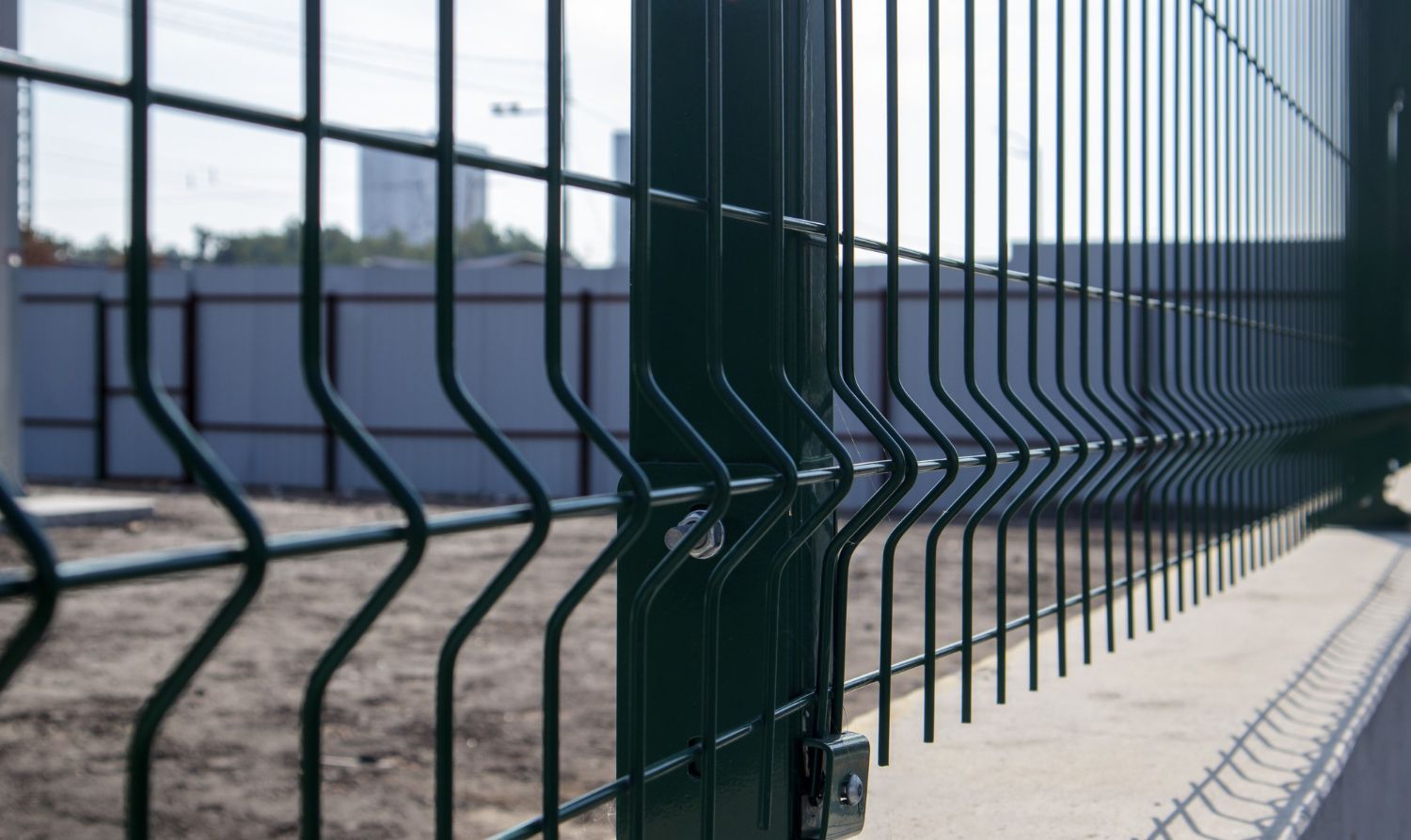
Perimeter fencing creates the first visible line of defense around a commercial, industrial, or agricultural site. It marks the property edge, discourages unwanted entry, and helps define where visitors should enter. For storage yards, construction sites, farms, distribution areas, and large lots, a perimeter system can bring order to a space that otherwise feels open and exposed.
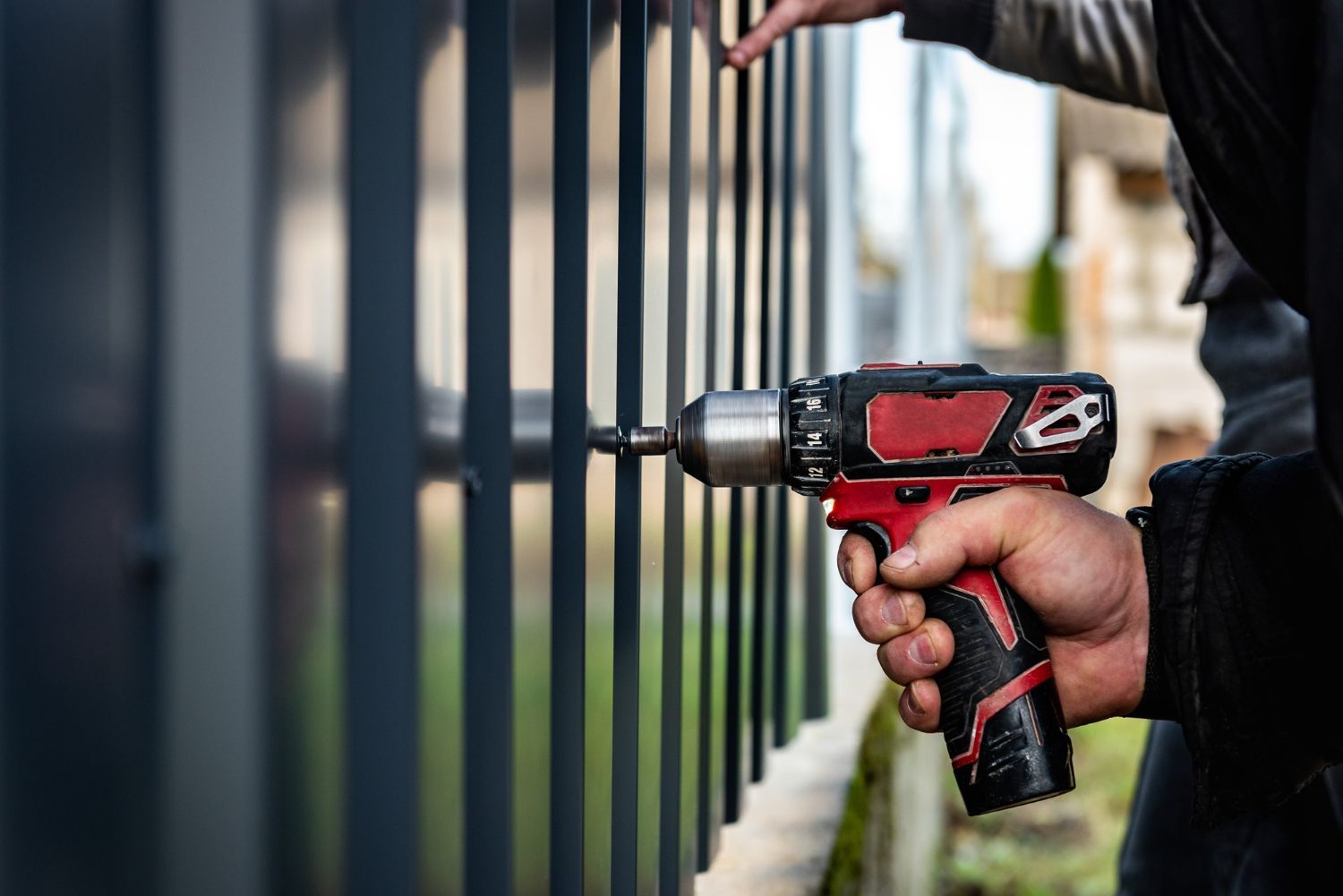
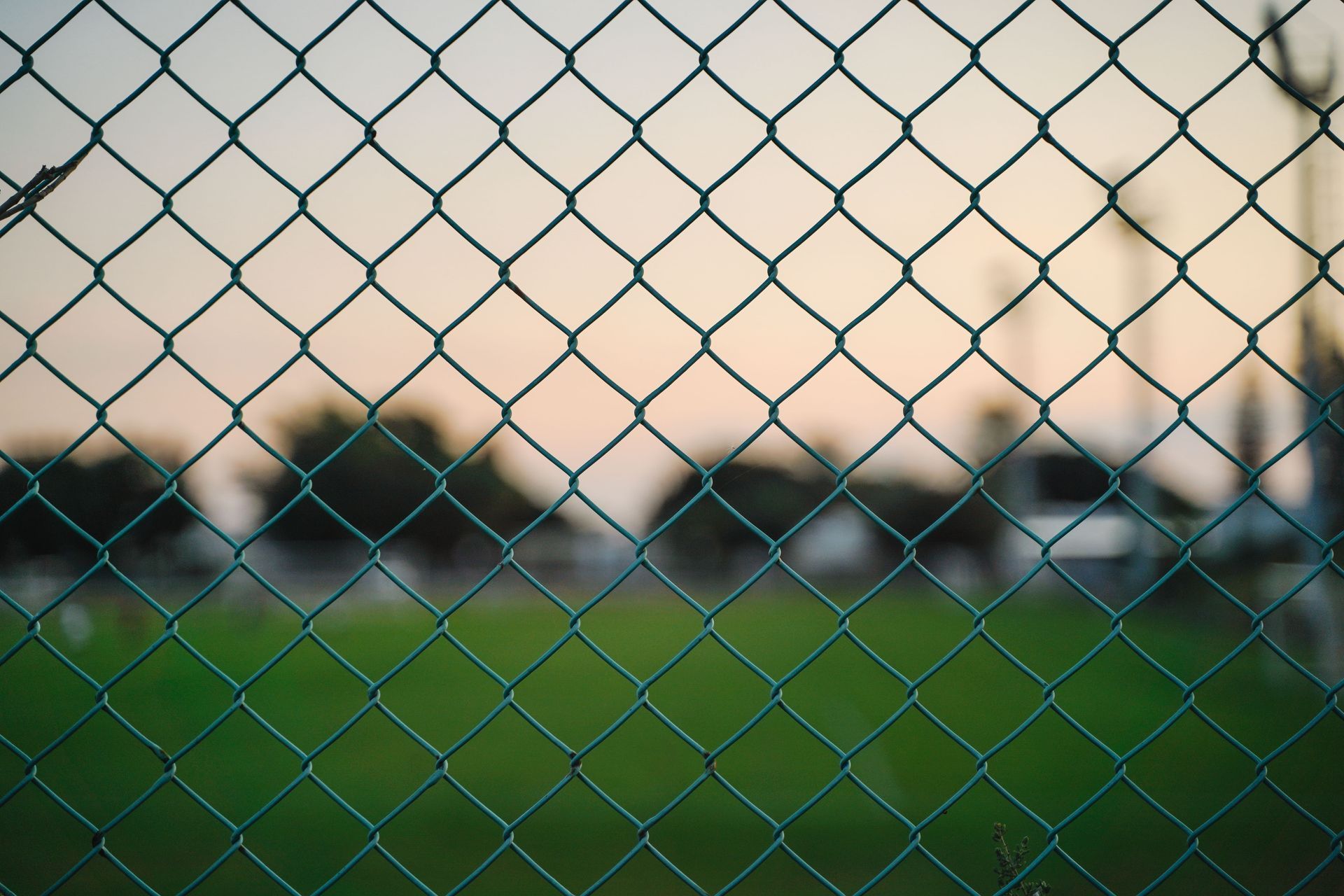
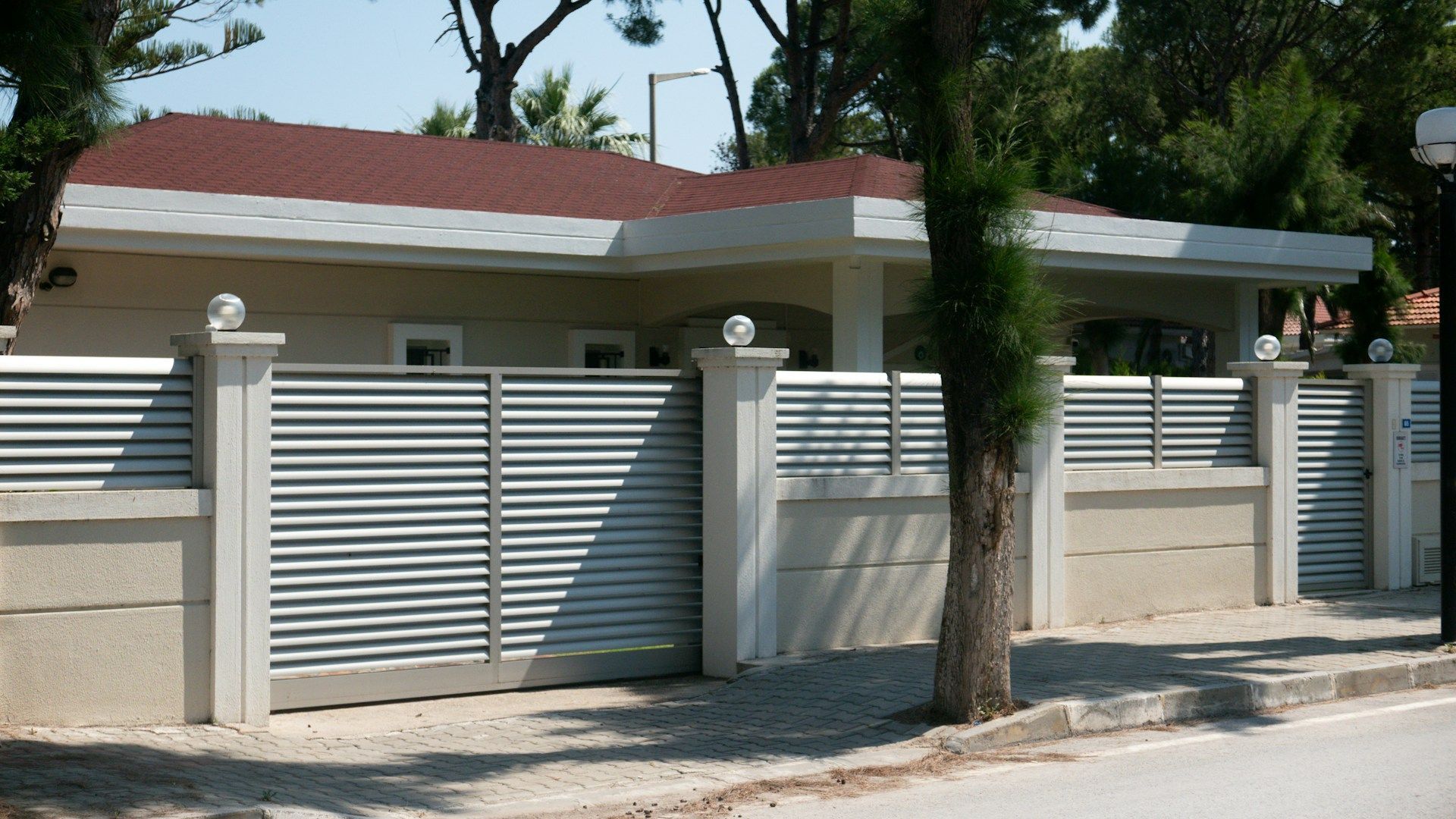
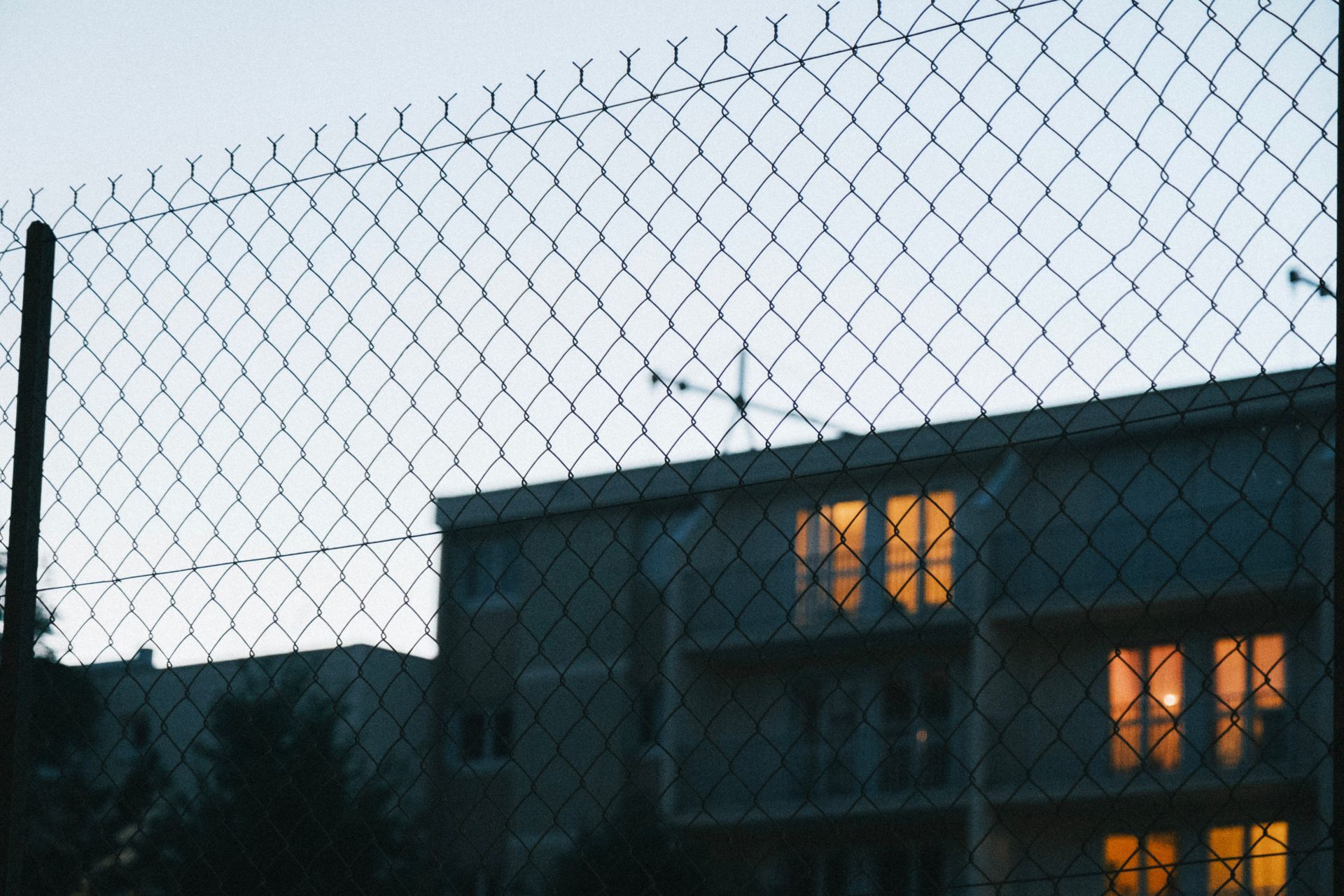
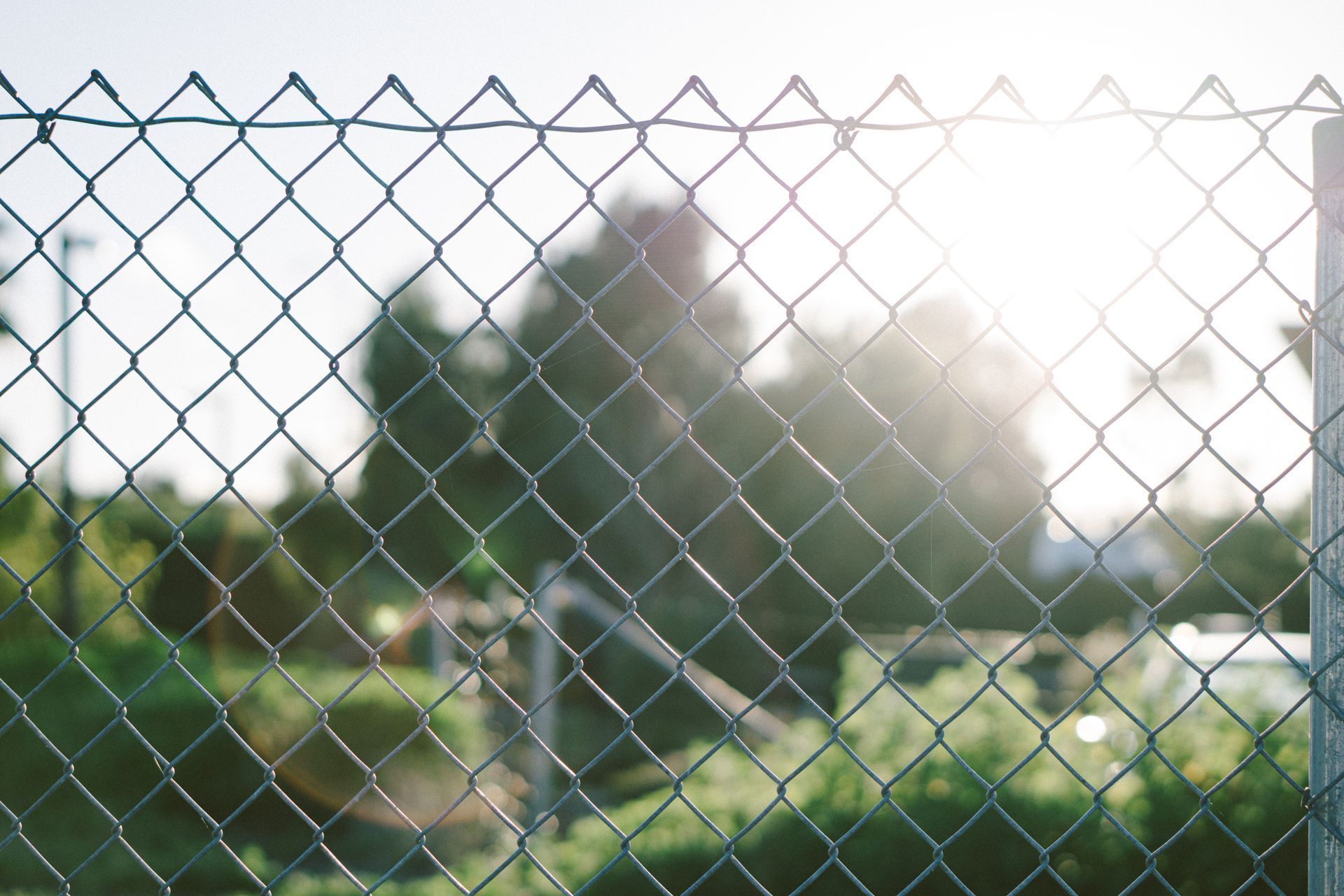
Material choice should fit the job. Chain link fencing is a durable, practical choice for many enclosed areas. Ornamental steel can provide security with a more polished appearance near offices or customer-facing spaces. Welded wire and agricultural fencing can fit rural properties and livestock-related needs. Privacy screening may also help reduce views into selected parts of the site.
The fence height, wire gauge, topping options, and gate placement should match the level of risk. A boundary around general parking may have different needs than a fence protecting high-value equipment or a sensitive work area.
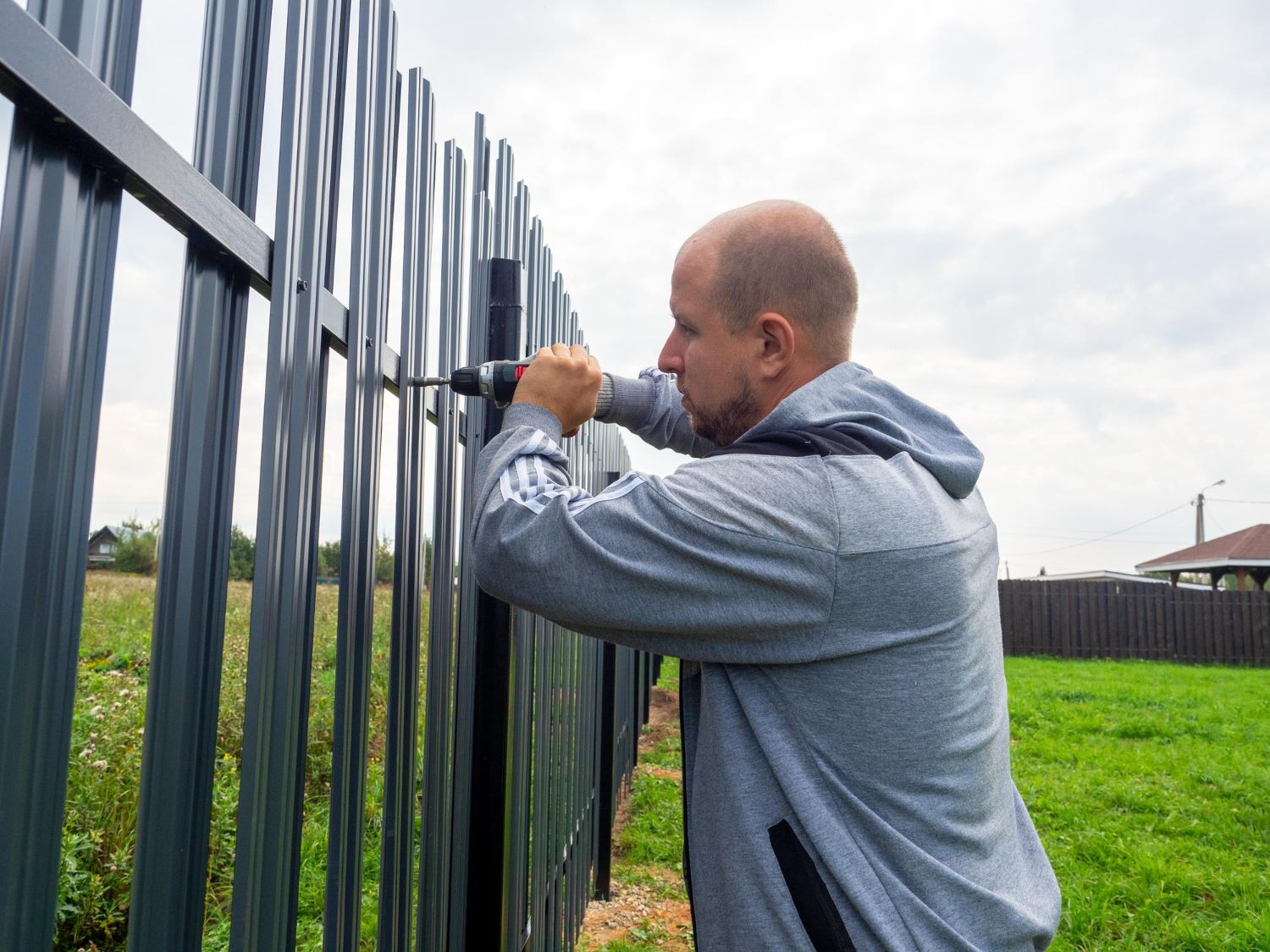
September is also a smart time for us to inspect perimeter commercial fences before seasonal activity picks up. Posts, tension wires, hinges, latches, gate operators, and drainage along the fence line all deserve attention. Small problems around a gate or sagging section can become a larger disruption when vehicles, crews, and deliveries are moving in and out every day.
Separate Traffic and Hazards with Interior Barriers
A secure property edge does not automatically control movement inside the site. Interior fencing and barriers help divide busy facilities into clear, safer zones. They can separate pedestrians from forklifts, protect high-value inventory, guide visitor traffic, and create boundaries between departments or work areas.
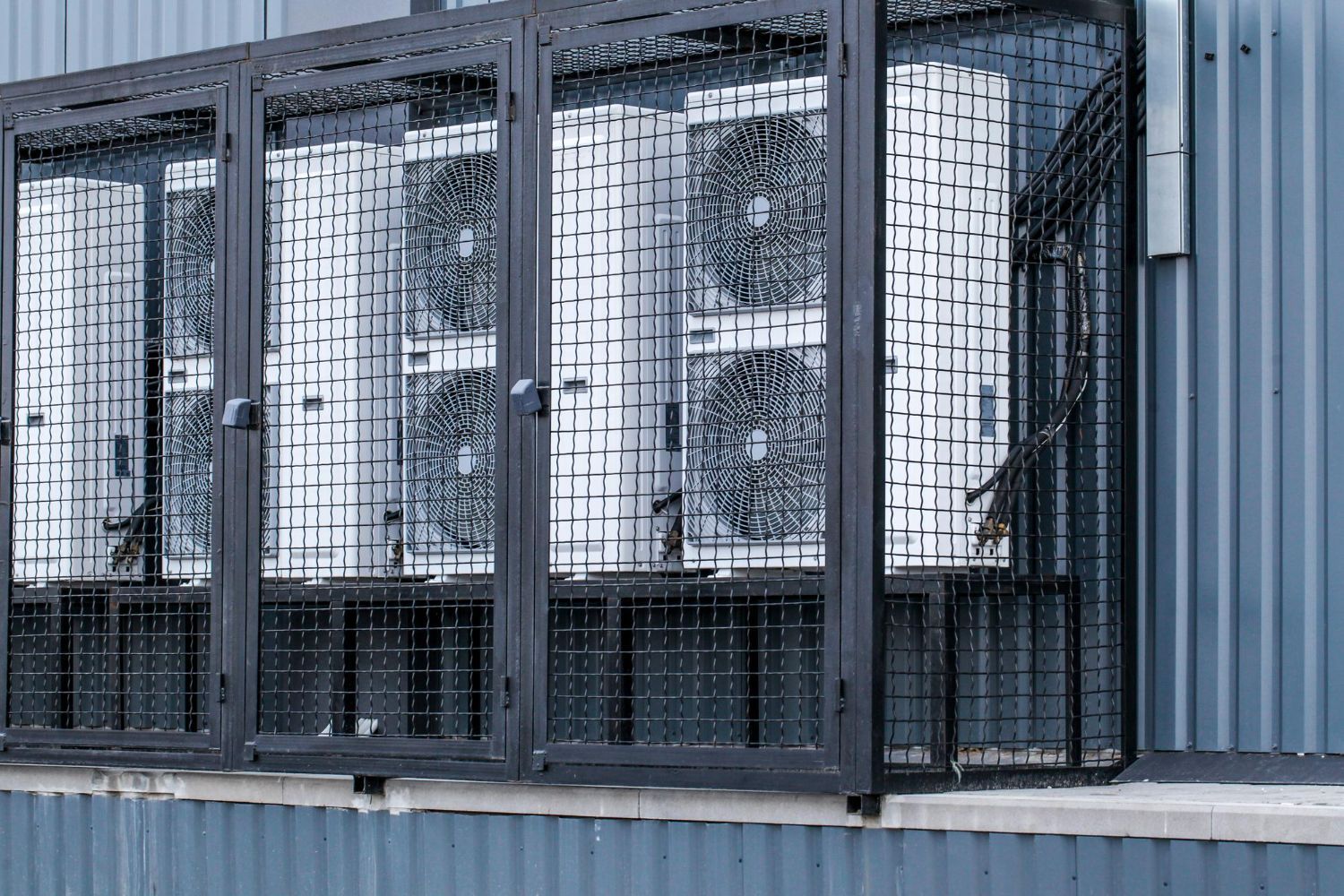
Inside a warehouse, shop, or industrial yard, clear barriers can help people understand where access is allowed. This is especially helpful around machinery, electrical equipment, chemical storage, loading zones, and restricted work areas. Guardrails, gates, partitions, and interior fencing can all play a role in keeping everyday movement organized.
We often help clients compare permanent and temporary options based on how the space is used:
- Permanent barriers can support ongoing warehouse, manufacturing, and secured-storage needs
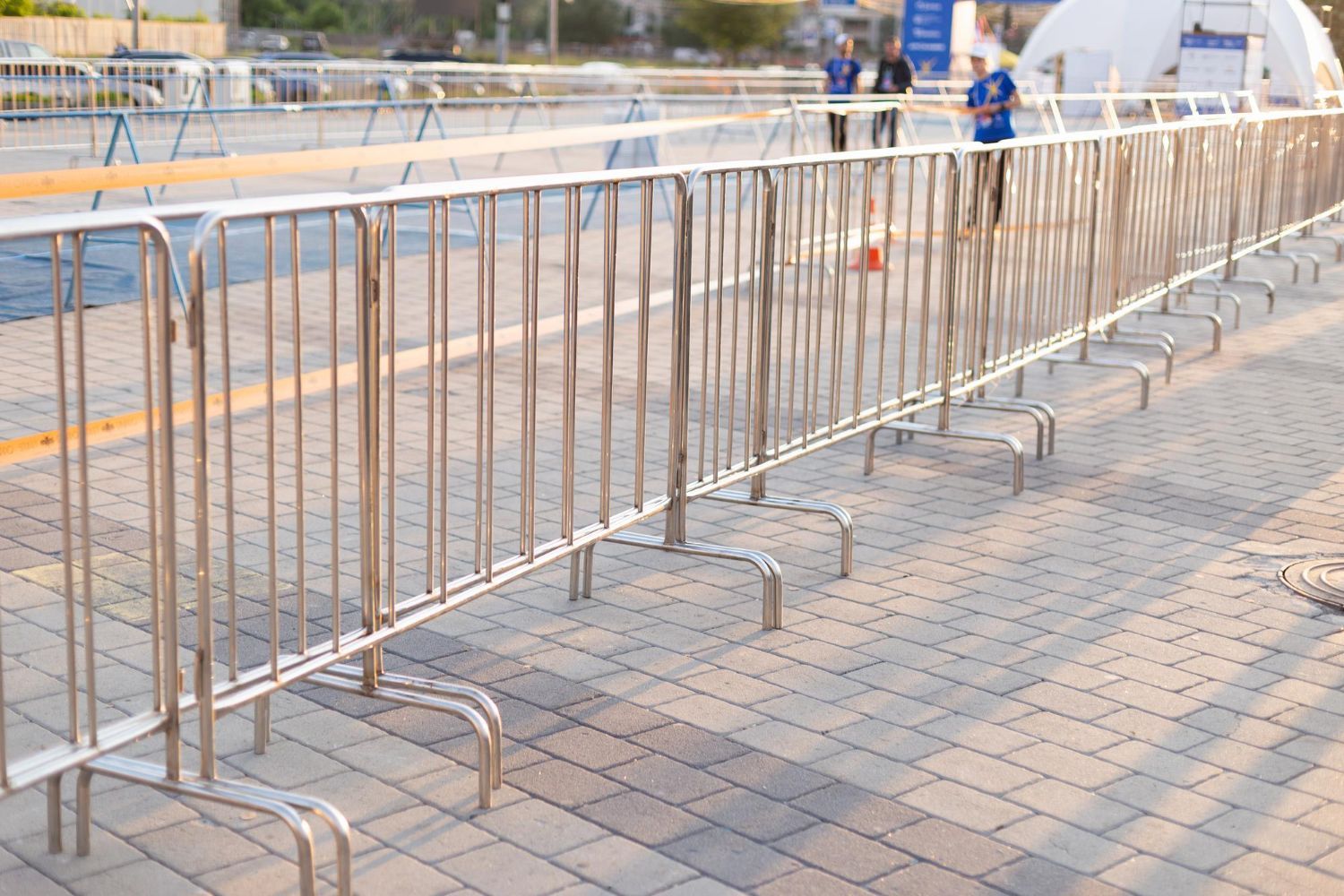
- Temporary fencing can support construction, remodeling, harvest work, or equipment staging
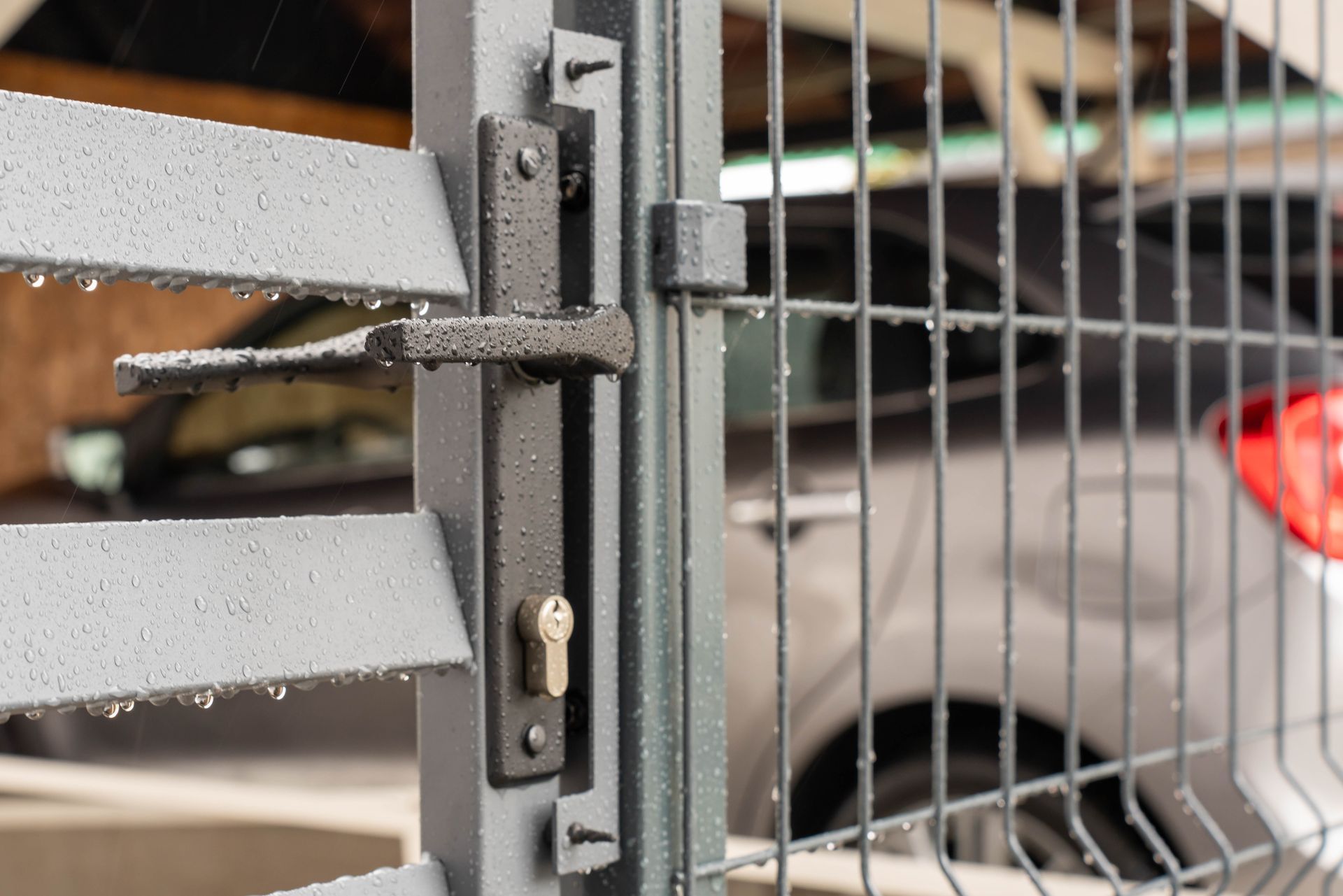
- Interior gates can limit access while allowing approved workers to move through
- Partition systems can create clearer boundaries as operations change
The best interior system is not always the heaviest one. It should fit your workflow, allow needed access, and make unsafe or restricted areas easier to recognize.
Plan for Compliance and Long-Term Flexibility
Fence decisions should be based on long-term performance, maintenance needs, security goals, gate requirements, and the potential impact of damage or downtime. A fence that works for a low-risk boundary may not be the right choice around valuable equipment, hazardous materials, or a high-traffic loading area.
Before installation, we recommend confirming property lines, local fencing rules, setback needs, utility locations, fire access, and any height limits that may apply. Vehicle traffic also deserves close attention. Trucks, trailers, forklifts, and service vehicles need enough turning space, while gates need to support daily use without creating backups or blocked access.
For many sites, a combined approach makes the most sense. A secure perimeter fence can control the property edge, while interior barriers protect specific assets and separate hazards. Custom gates, temporary fencing, repairs, and permanent systems can all be part of a coordinated plan when they are chosen for a clear purpose.
A site walk can help identify weak points before fall schedules become more demanding. When we review a property, we look at fence condition, traffic patterns, vulnerable areas, gate needs, and possible future expansion. California Commercial Fence provides fencing support throughout Fresno-area communities, California, and western states.
The strongest plan is the one that matches the way your property works every day. By separating outside security needs from interior safety needs, you can build clearer access routes, protect valuable areas, and avoid overbuilding parts of the site that do not need the same level of control.
Get a Fence Plan That Fits Your Property
California Commercial Fence helps businesses choose
commercial fences that support practical security and safe daily operations. Our team can assess your layout, access points, and priority areas to recommend the right approach.
Contact us to discuss a fencing solution tailored to your site.