When Does Commercial Fence Supply Become a Project Risk?
Protect Timelines Before Supply Gaps Spread
Commercial fence supply becomes a project risk the moment missing materials affect more than the fence crew. A delayed post, gate frame, or hardware package can hold up inspections, access control work, tenant improvements, site security, and final turnover.
We see fencing tied to many moving parts on commercial, industrial, agricultural, and public works sites. The right materials need to arrive when crews, equipment, delivery access, and work areas are available. Planning supply needs early helps you protect the schedule, avoid rushed changes, and keep the perimeter secure while work continues.
Commercial Fence Supply Delays Can Halt Site Work
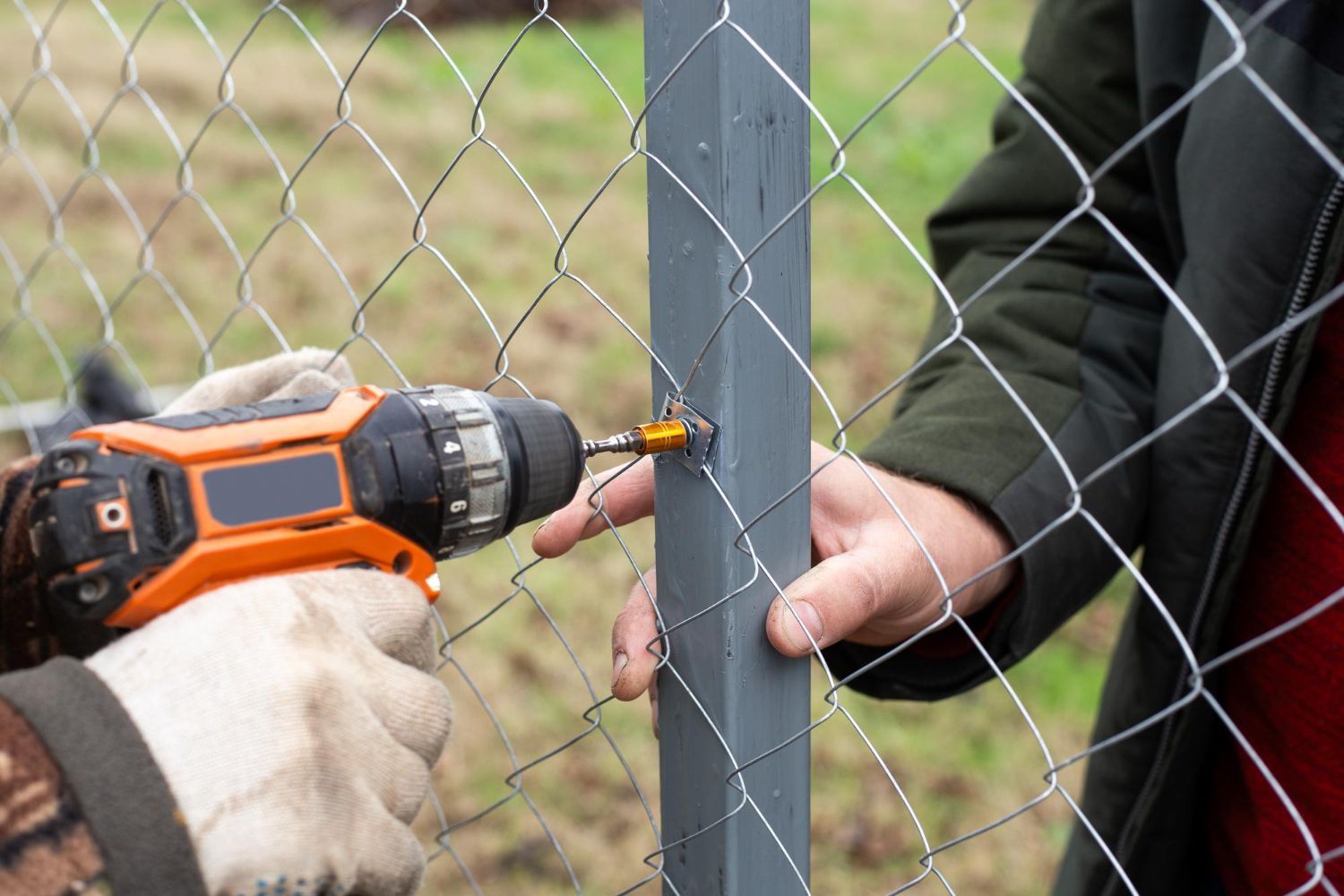
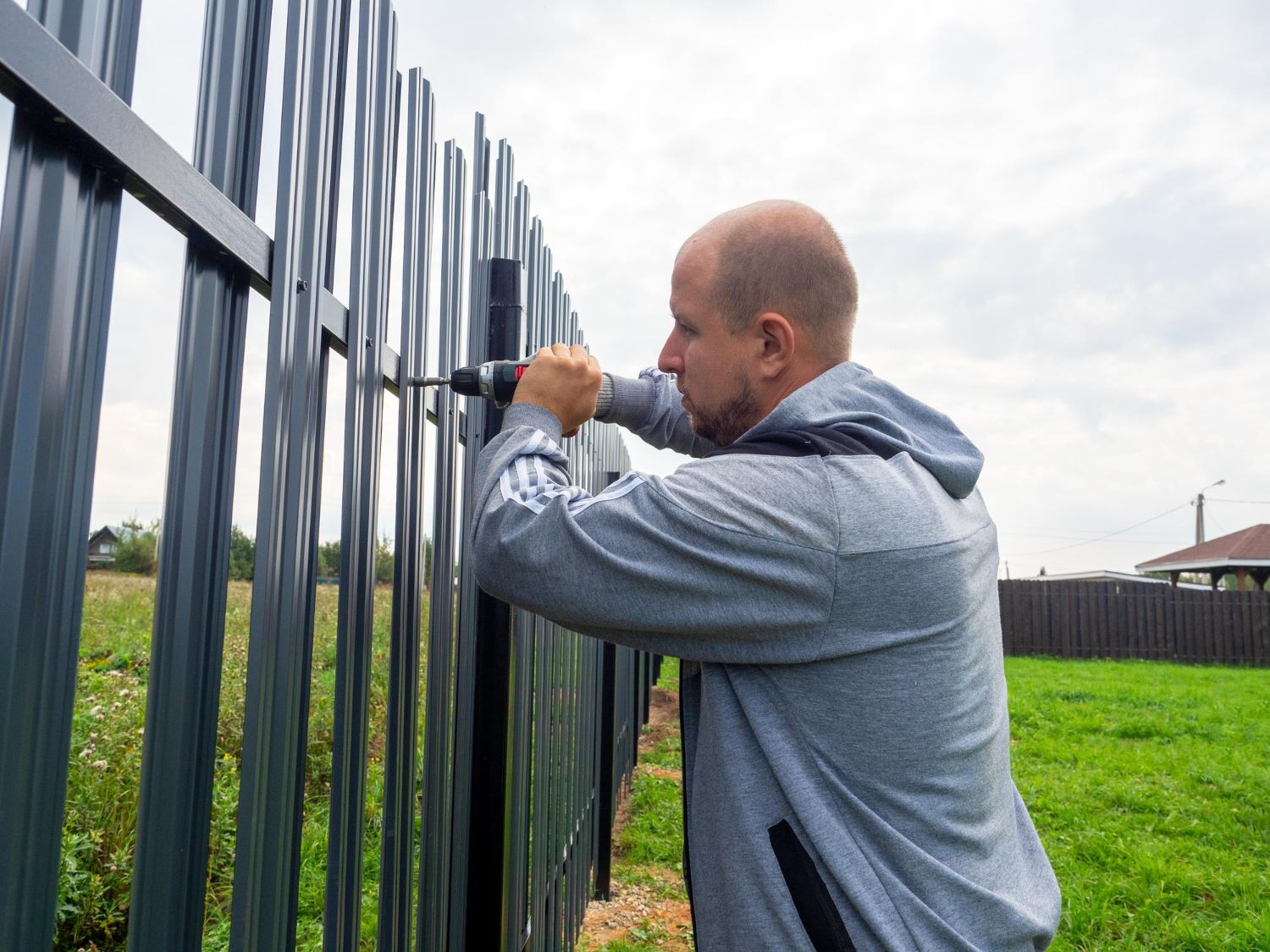
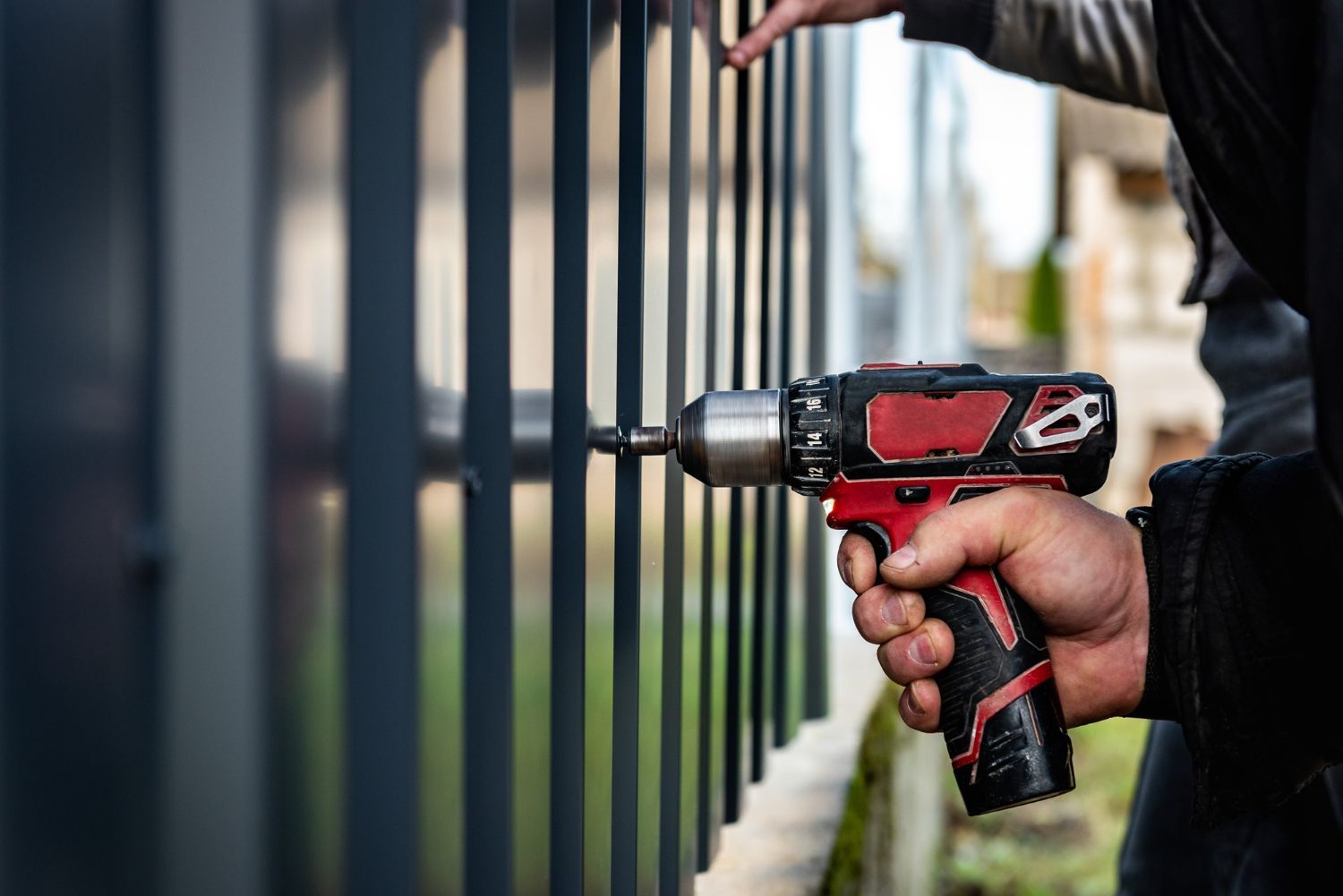
A fencing crew may be ready to install, but the work can still stop if one key item is missing. Chain link fabric, matching posts, terminal fittings, gate hardware, and security components all work together. If a single part is delayed, an otherwise complete delivery may not be enough to finish the installation correctly.
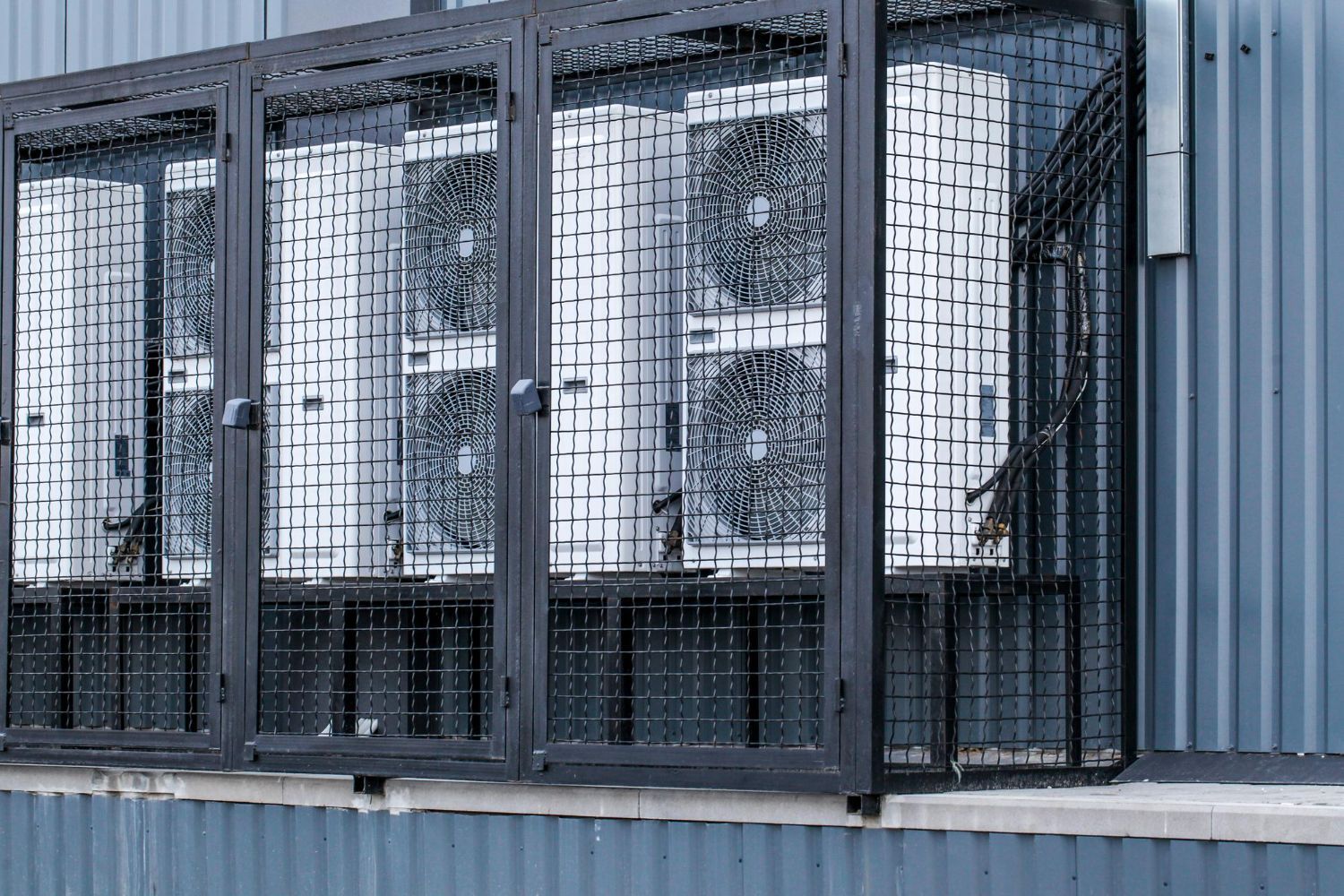
Incomplete fencing can create problems far beyond one trade's schedule. An open perimeter may leave a site more exposed to trespassing, theft, dumping, unauthorized vehicle access, and liability concerns. It can also disrupt the safety plan, staging layout, and controlled entry points needed on an active jobsite.
Supply risk often grows when a project calls for specialized materials, such as:
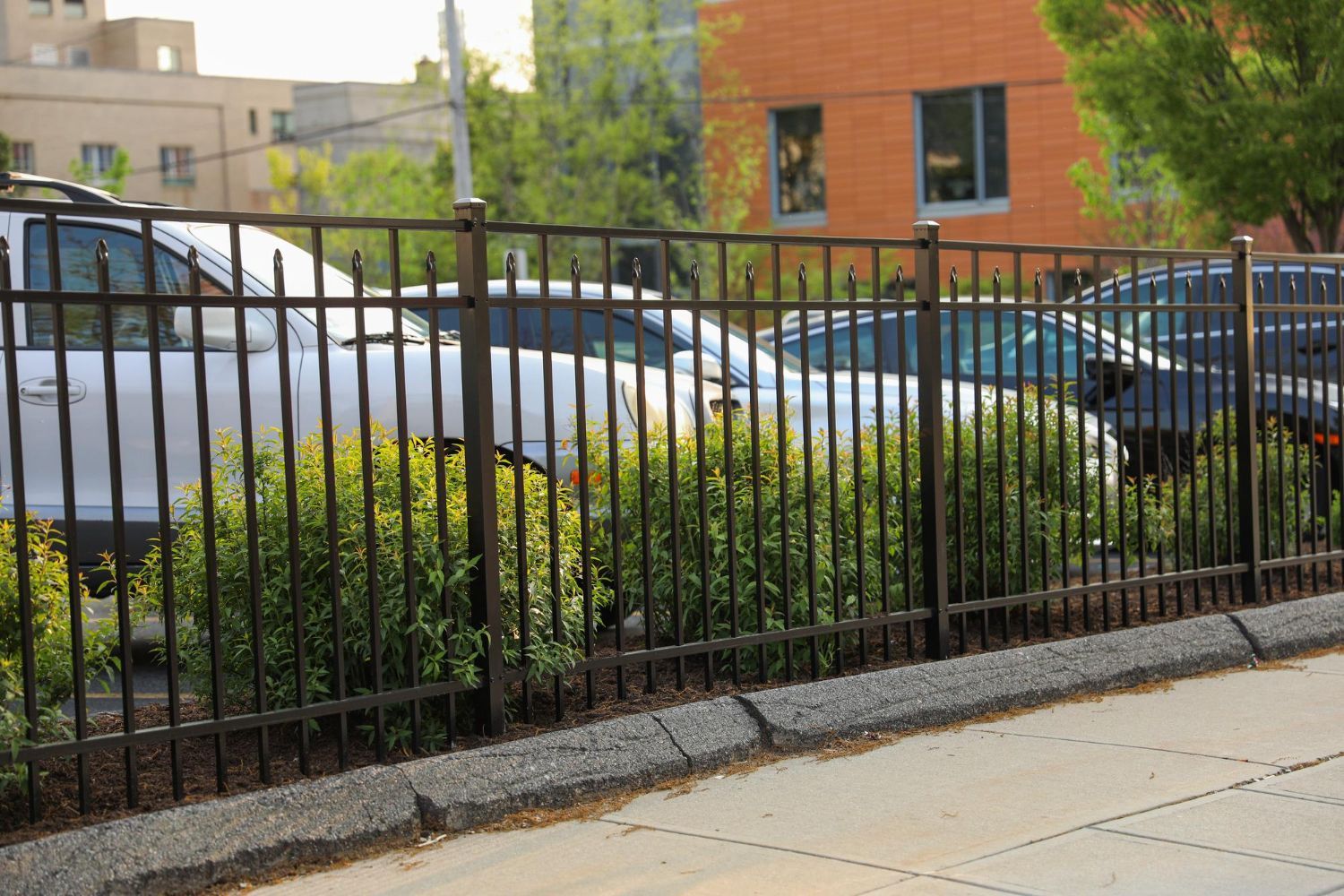
- Ornamental iron fencing or matching privacy screening
- High-security chain link and specialized security components
- Automated gates and access-control hardware
- Agricultural fencing for large or uneven properties
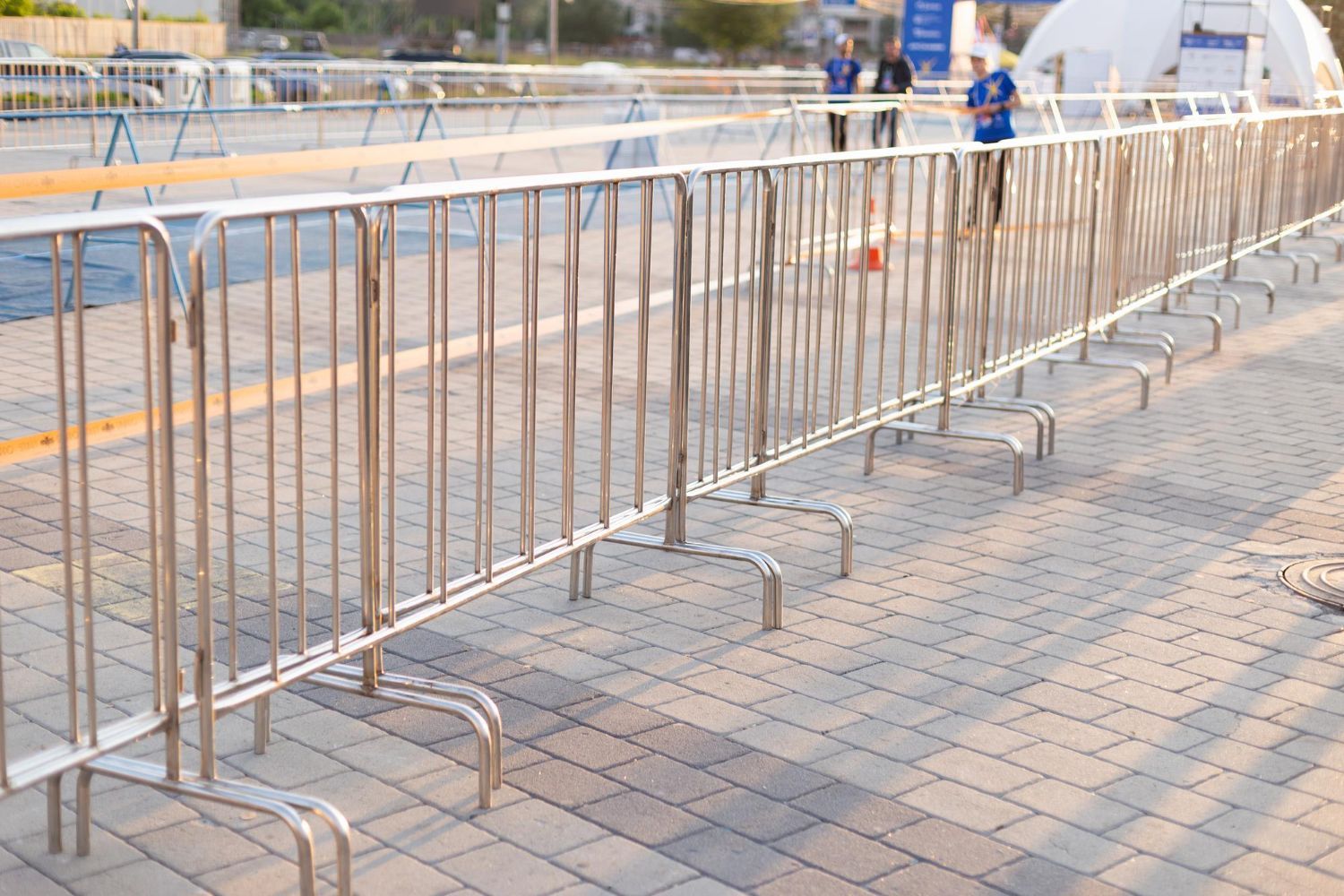
- Temporary fencing or crash-rated barrier systems
These products may not be available as quickly as common stock materials. We recommend identifying specialized fencing needs during planning, not when the installation date is already close.
Late-Summer Demand Can Tighten Availability
Late summer and early fall often bring a rush of activity. Construction teams may be working toward project closeouts, schools and public facilities may have scheduled improvements, agricultural operations may need stronger access control, and warehouses may be preparing sites for expansion or security upgrades.
When several jobs need the same galvanized fencing materials, gate components, temporary panels, or access-control parts, commercial fence supply can become harder to coordinate. Regional construction demand, emergency storm repairs, wildfire recovery work, and harvest-season needs can also affect access to materials across Fresno-area communities and western states.
Before you lock in a schedule, it helps to confirm what is available and what needs more lead time. Early ordering gives us time to reserve key components, review suitable options, and plan deliveries around site access, other trades, and the hot, sunny conditions that can shape outdoor work.
Specification Changes Can Create Costly Mismatches
Fence plans can change after a project is underway. A revised site plan may call for a taller fence, wider gate opening, different mesh gauge, a new coating color, added privacy features, or a higher level of security. Each adjustment can change the materials required for the job.
Field conditions matter just as much as the drawing. Sloped terrain, utility conflicts, limited access, vehicle clearance, soil conditions, and local requirements can all affect fence layout, post placement, gate design, and material quantities. Reviewing these details early helps us order for the actual site instead of relying only on an early concept.
Quick substitutions may sound helpful when a schedule is tight, but they can cause more trouble later. A readily available material may not match existing fencing, meet the owner's security goals, work with planned gate systems, or perform as expected in a busy commercial or industrial setting.
Before approving a change, we suggest confirming:
- The required fence height, fabric, coating, and post spacing
- Gate widths, swing direction, clearance, and hardware needs
- Compatibility with access-control or security equipment
- Site conditions that may affect installation methods
- Owner, project, and local requirements for the finished fence
That review can prevent rework, extra freight coordination, installation delays, and inspection issues caused by mismatched materials.
Strong Procurement Planning Keeps Crews Moving
A dependable supply plan starts with a complete scope review. We look beyond total footage to confirm fence types, terminals, line posts, fittings, concrete needs, gates, access-control details, and specialized security features. Ordering the right quantities is important, but ordering the right combination of parts is what keeps an installation moving.
Clear communication also makes a major difference. Property owners, general contractors, site superintendents, and fencing providers should share project milestones, delivery rules, storage limits, phased work plans, and changes that could affect the fence scope. A delivery that arrives too early may create storage problems, while a delivery that arrives too late can leave crews waiting.
An experienced fencing partner can help spot long-lead items before they become schedule problems. We can also coordinate deliveries by phase, recommend compatible materials when plans change, and provide temporary fencing or emergency repairs when a site needs immediate protection. The goal is simple: keep the perimeter secure while the broader project keeps moving.
Turn Supply Planning Into a Safer Project Start
Fencing should be part of preconstruction planning, not a last-minute response after a perimeter becomes urgent. For Fresno-area businesses, contractors, agricultural operations, and property managers, we can review material needs, plan fence and gate installation, arrange temporary fencing, and address emergency repair needs when they arise.
The practical takeaway is to treat fencing materials as part of the project schedule from day one. Confirm the scope, account for specialized products, review field conditions, and communicate changes early. A proactive supply plan helps protect the site, control avoidable disruptions, and keep construction or daily operations moving forward.
Keep Your Fence Project Moving Forward
At California Commercial Fence, we help you identify the right
commercial fence supply options for your project’s specifications and timeline. Our team can help clarify product needs before procurement issues affect installation schedules.
Contact us to discuss your material requirements and next steps.