Assessing Your Business Needs for HVAC Enclosures
When summer hits hard, the sun isn’t just uncomfortable, it can wear down your outdoor equipment fast. Around this time of year, it becomes even more important to think about how our workspaces handle the heat. HVAC enclosures are often part of that conversation. They help protect gear from the sun, dirt, and busy foot traffic while keeping everything working safely and smoothly.
But not every business needs the same setup. Some properties have tight alleys or shared walls. Others deal with high customer traffic or open yards. That’s why it helps to think through your space, your gear, and your daily needs before putting anything in place.
Deciding What You Need to Protect
Most setups start with one big question: what needs covering? Sometimes it’s a rooftop air conditioning unit. Other times, it’s a ground-level fan system, a backup generator, or electrical panels. We’ve seen it all, especially in spots that stay warm and active throughout the year.
When left uncovered, these pieces of equipment face a lot. In California’s Central Valley, sun exposure, constant dry winds, and blowing dust can cause damage over time. On top of that, if the area sees regular deliveries or nearby foot traffic, it’s easy for someone to bump into or tamper with open equipment. Built fencing or vented enclosures help block all that out.
Some gear needs airflow to stay cool. In those cases, vented enclosures or slatted panels are smart. Other spots might call for solid walls to reduce noise or cut off access. Every location works a bit differently, and the best setup keeps the gear safe without slowing down daily work.
Thinking About the Space and Daily Use
How the space is used day to day matters just as much as what’s being protected. Some HVAC units sit out in open areas on a flat lot. Others are squeezed between buildings with little walking room to spare. The way the enclosure is built needs to work around those details.
If there’s heavy use nearby, like trucks dropping off supplies or employees walking in and out, spaces need to be free of tight turns or sharp corners. We try to plan enough room around access points so maintenance teams can get in and out easily. Equipment that needs routine inspection benefits from gates or liftable panels.
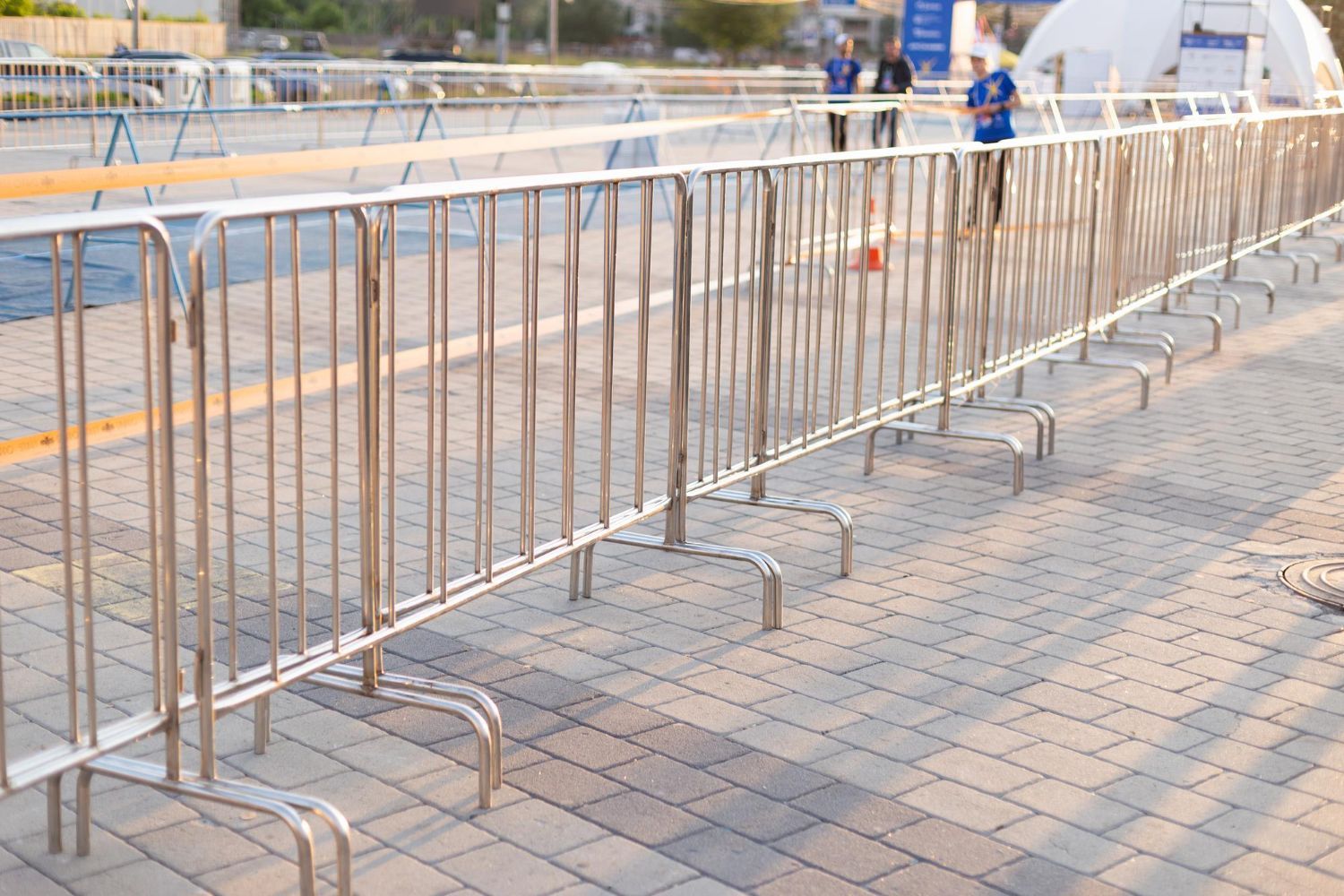
For some businesses, angled fencing or removable panels can help shape tight areas into usable paths. When layouts shift often or equipment rotates out, having an enclosure that can adjust is well worth the thought.
Choosing What the Enclosure Should Be Made Of
Materials affect how well the setup handles time and weather. In a place that sees hot, dry summers and uneven ground, not every fence will stay strong. That’s why we look at material choices early on.
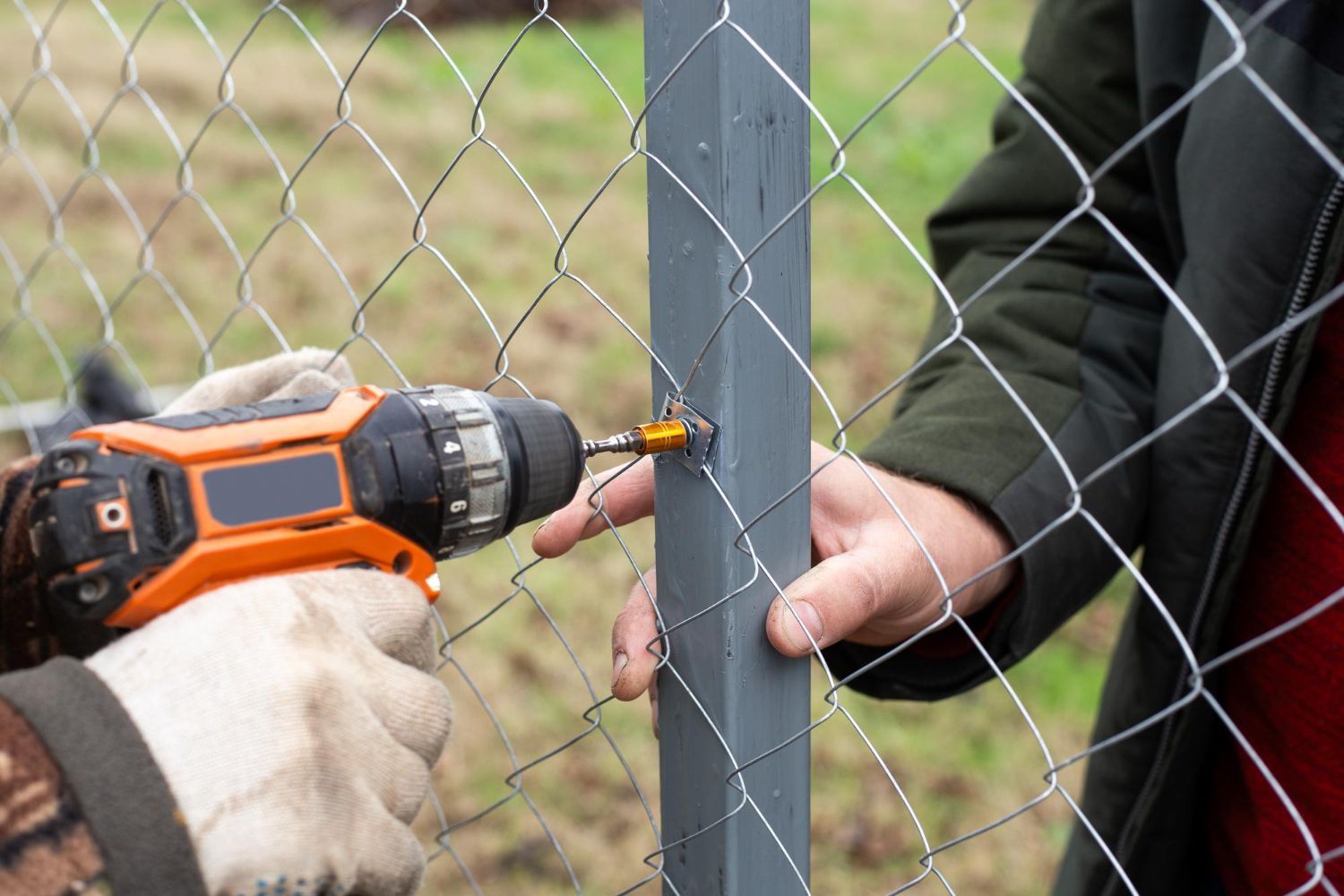
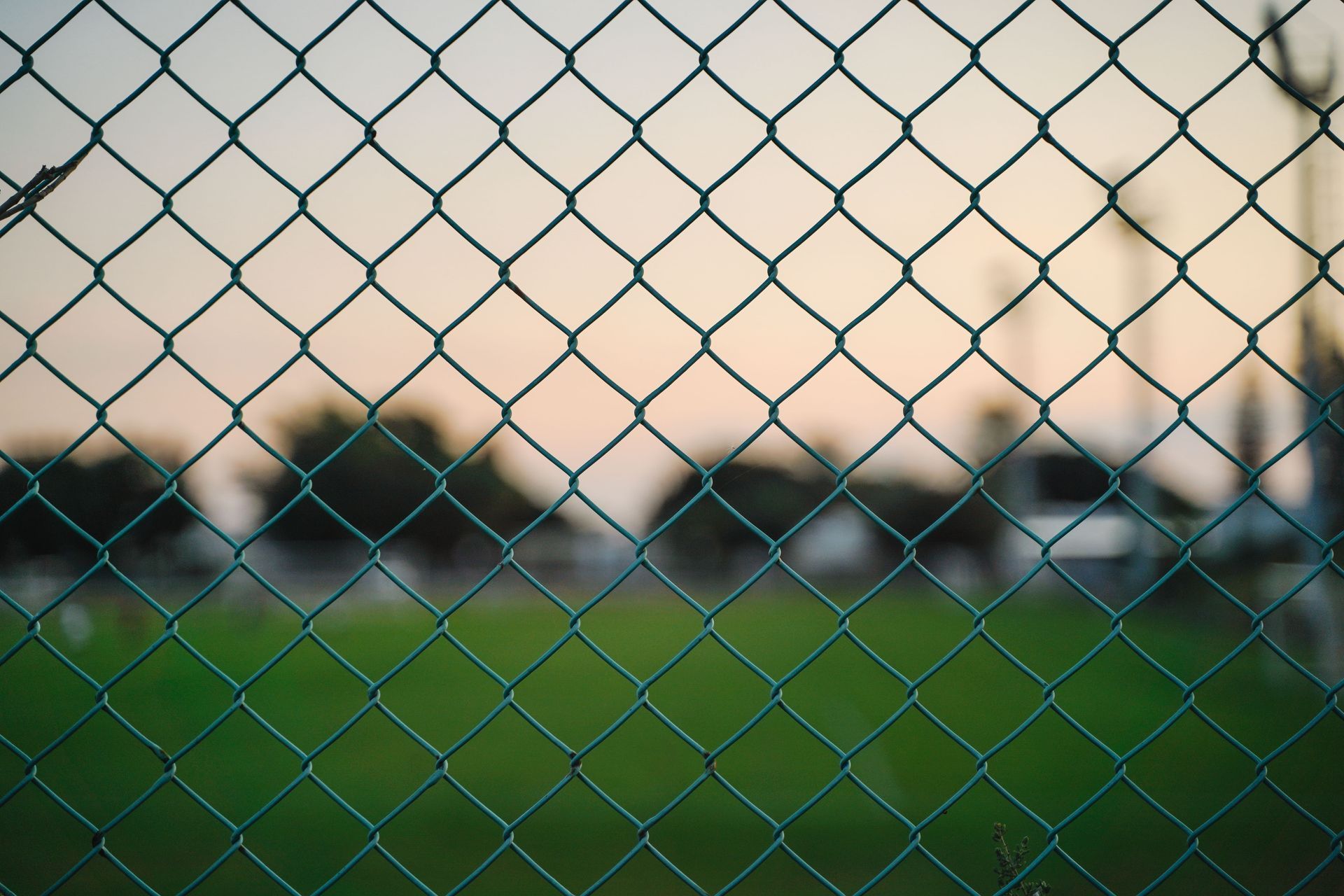
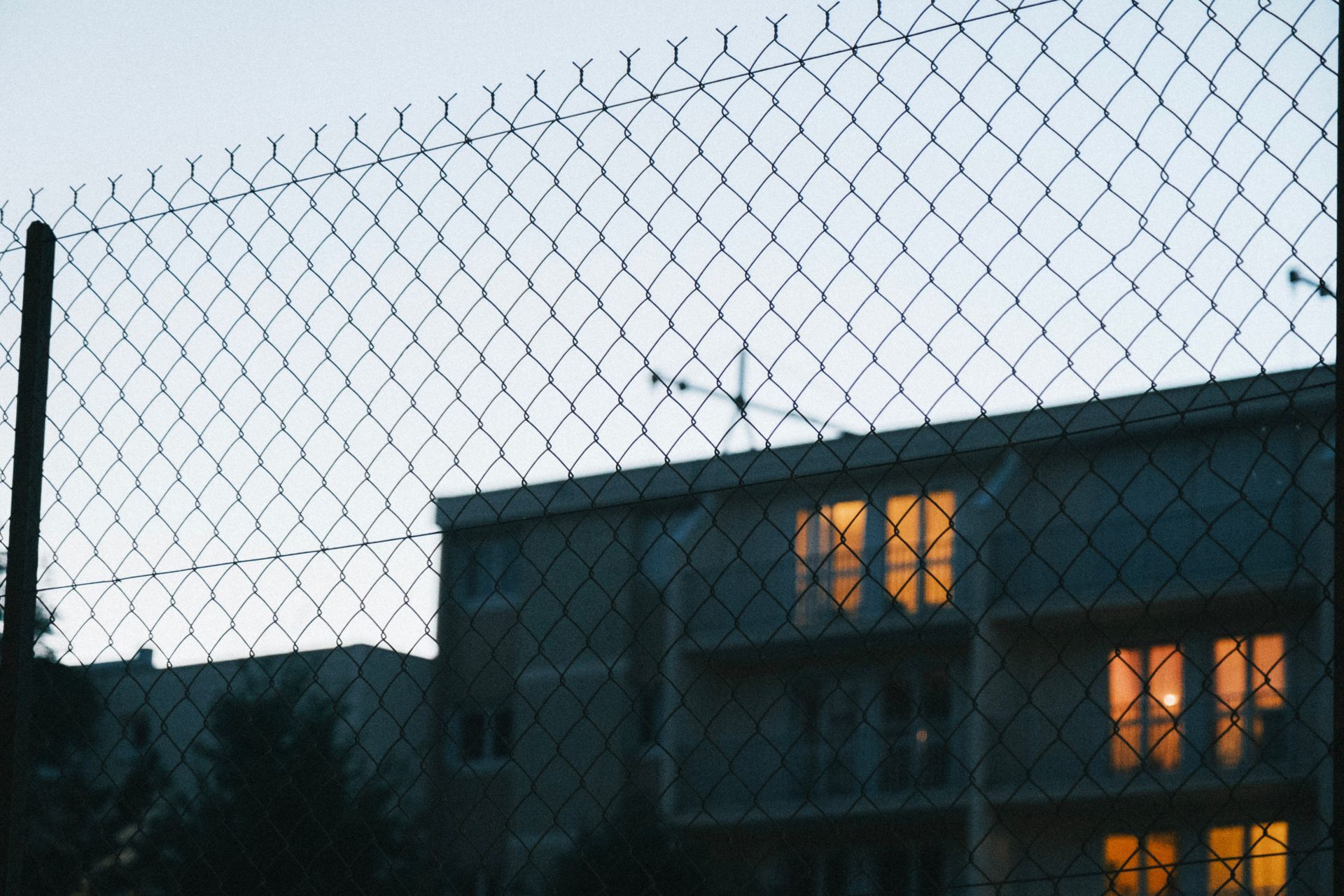
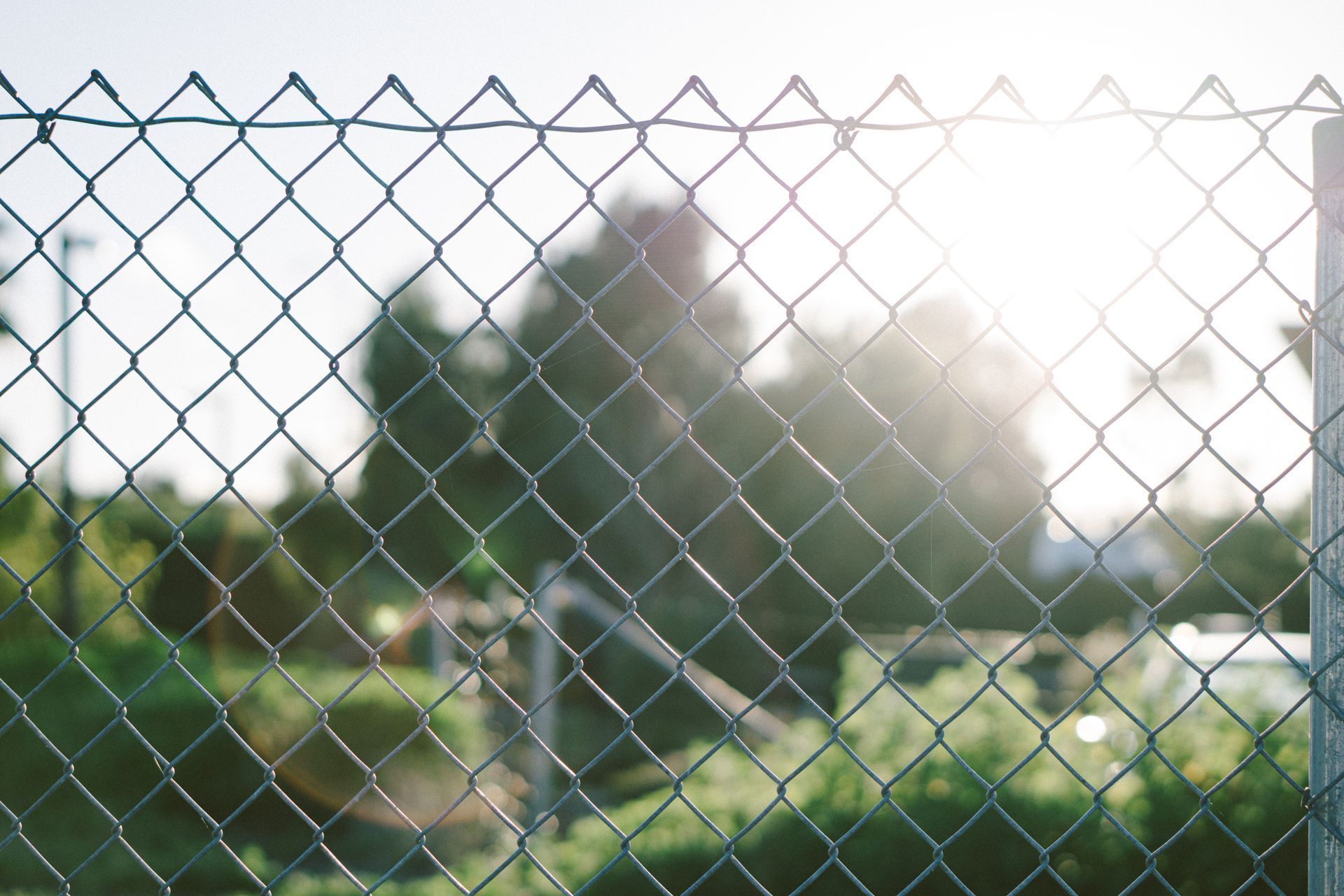
- Chain link enclosures are pretty common because they’re sturdy, see-through, and easy to secure.
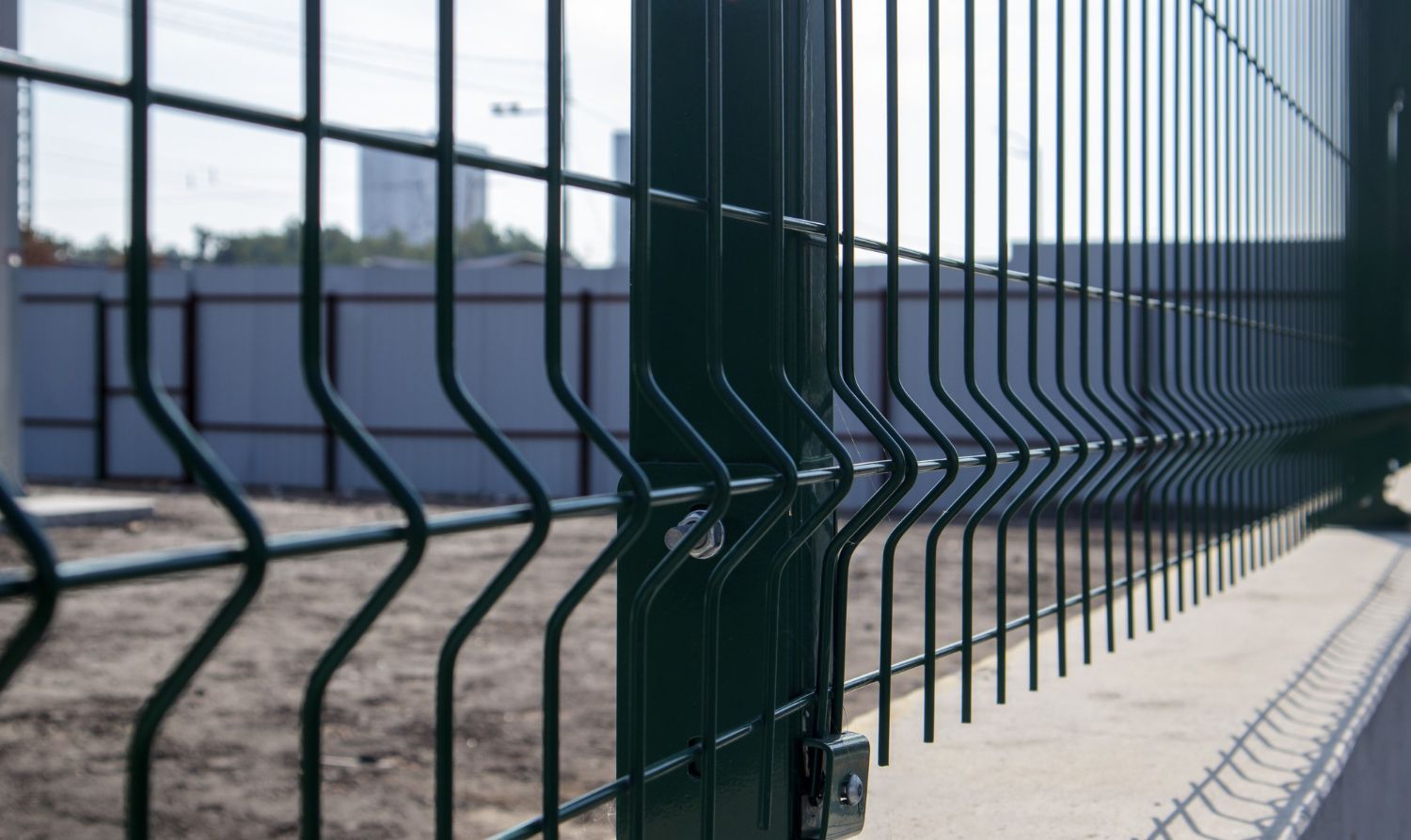
- Solid metal or welded panels block dust and sunlight and can add a cleaner look if that fits the property.
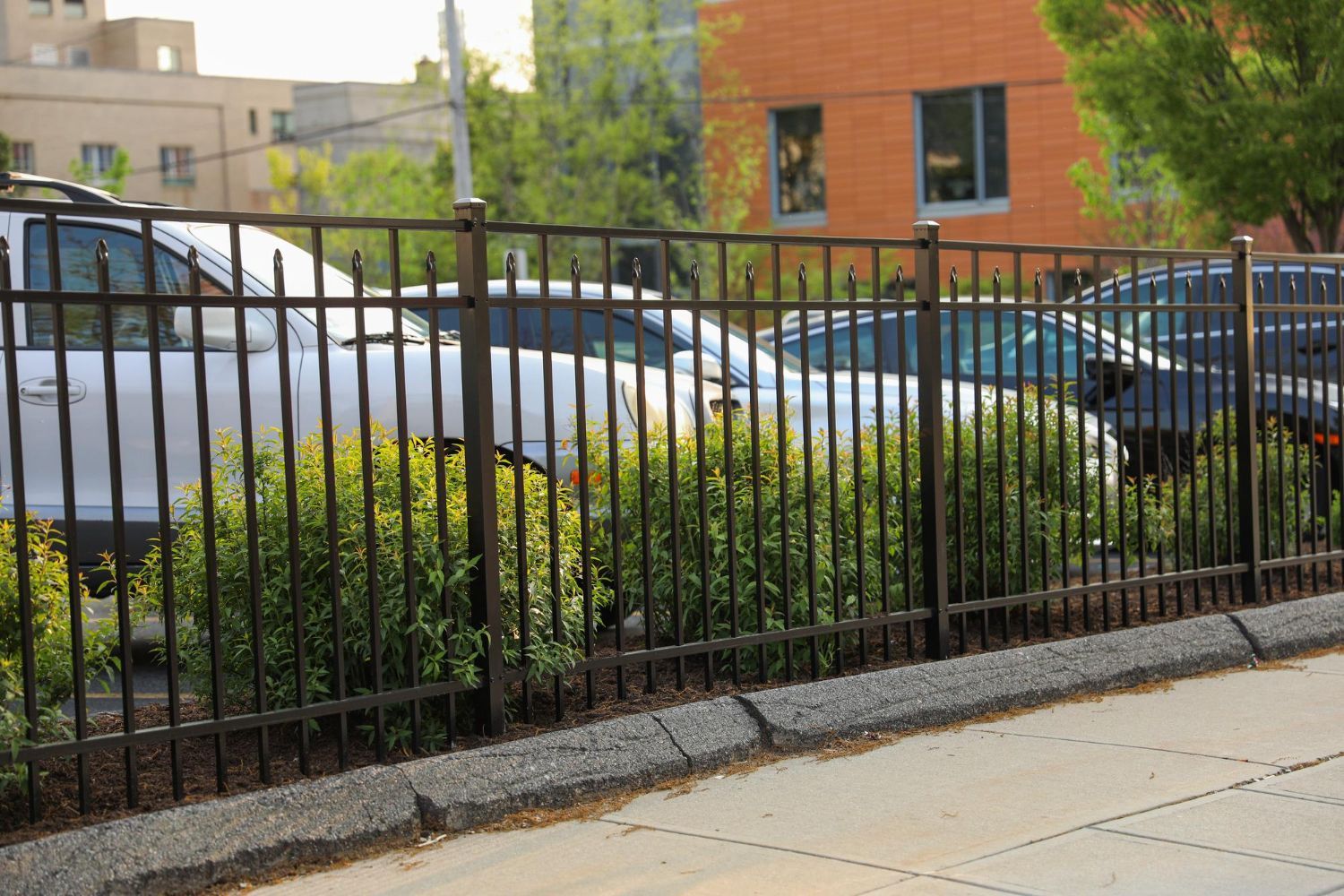
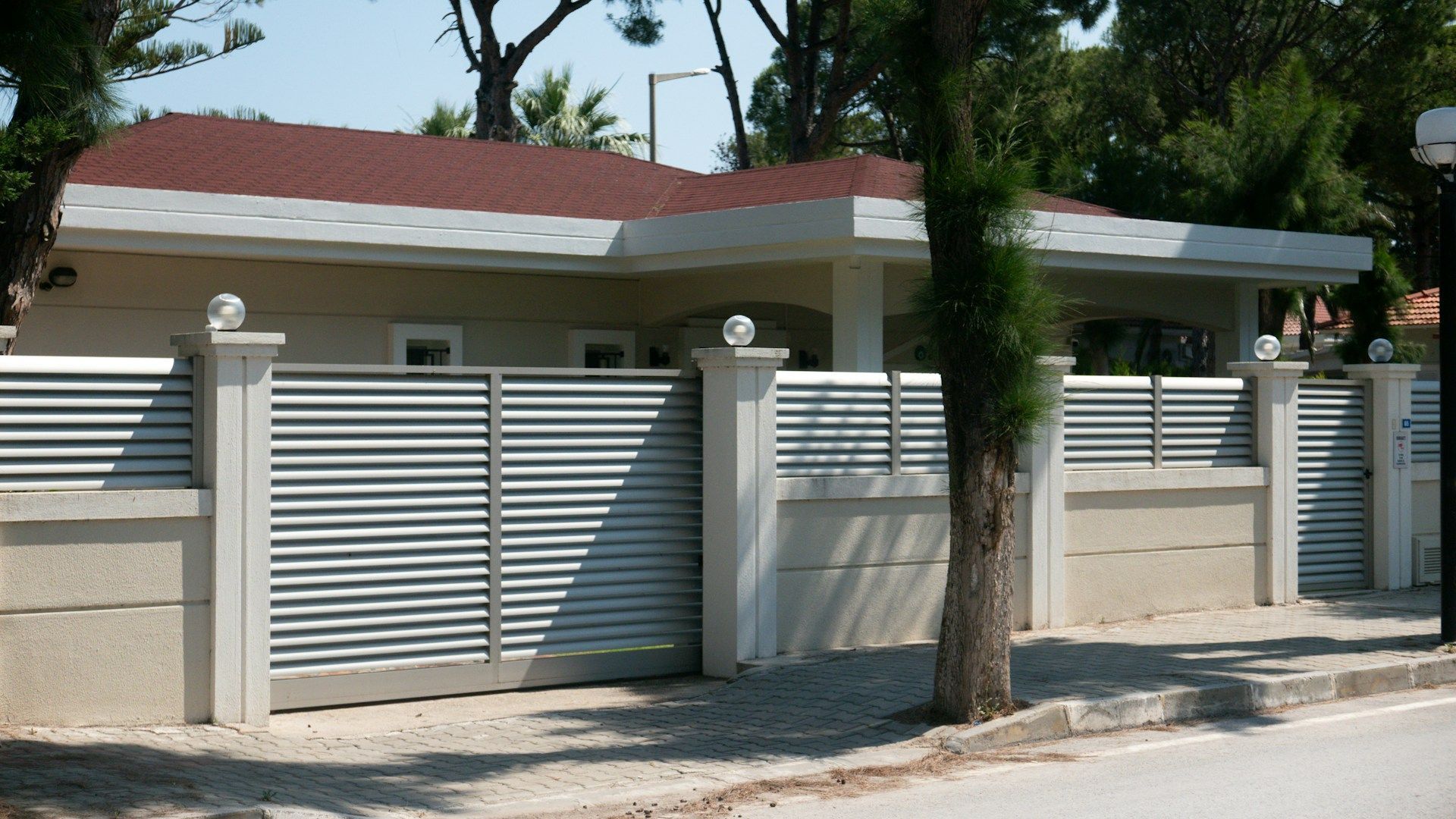
- Slatted or louvered designs help with ventilation while offering privacy and some shade.
Some materials need more care than others. Painted metal may need touch-ups down the road. Galvanized finishes hold up better in exposed spots. In high-traffic areas or if the gear is sensitive to debris, it might be worth balancing looks with long-lasting structure.
The length of time the enclosure stays up is another part of the mix. Short-term needs might do fine with lightweight fencing. Long-term protection calls for something more fixed and reliable. Either way, the goal is the same: protect what matters without causing problems later.
Summer Setup and Installation Timing
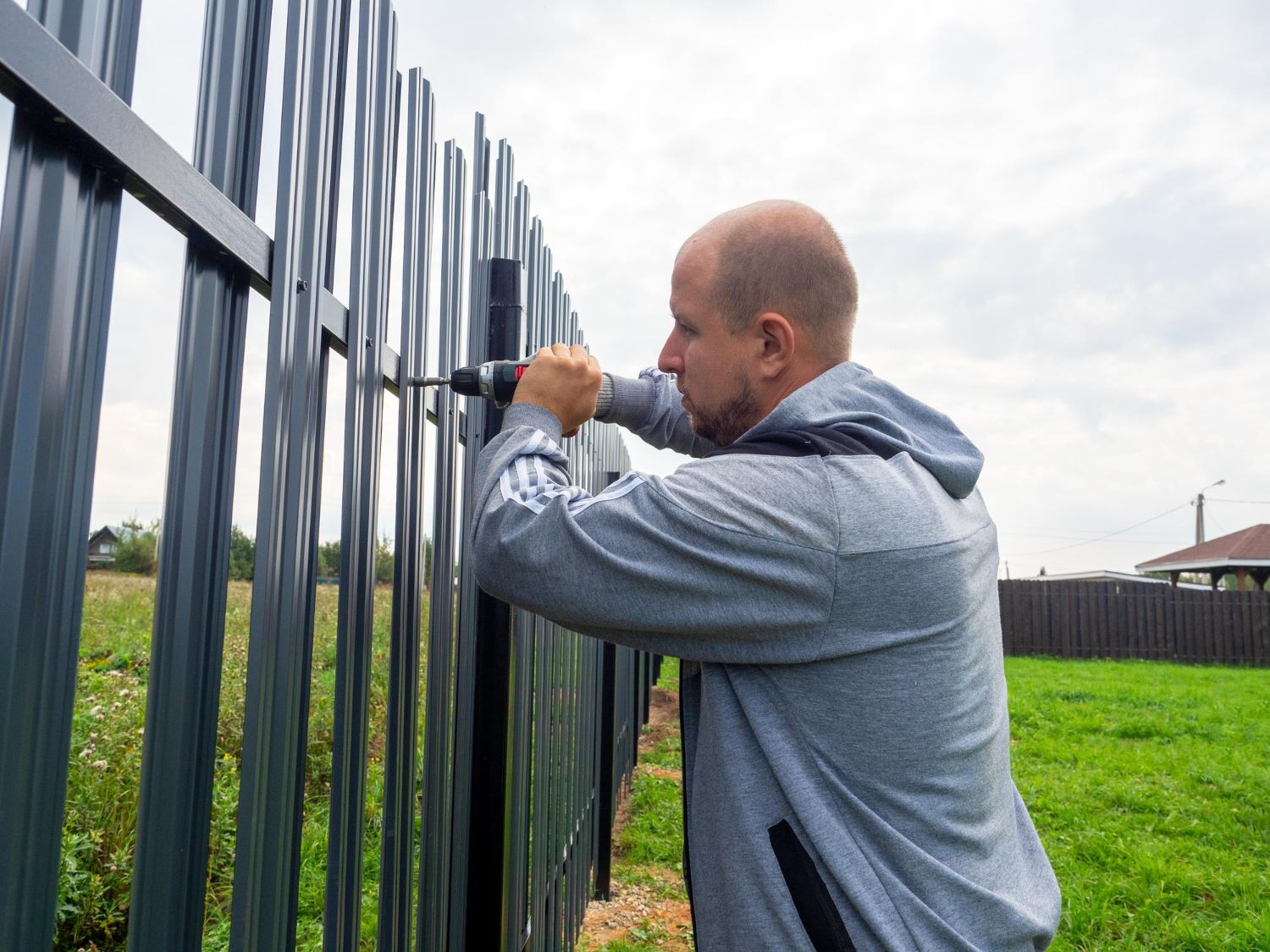
Summer heat doesn’t just affect the gear, it affects how and when installation can safely happen. In August, daytime highs in Central California often hit triple digits. Trying to install fencing late in the day on hot ground can slow things down or create safety risks. Planning for an early morning install can make a big difference.
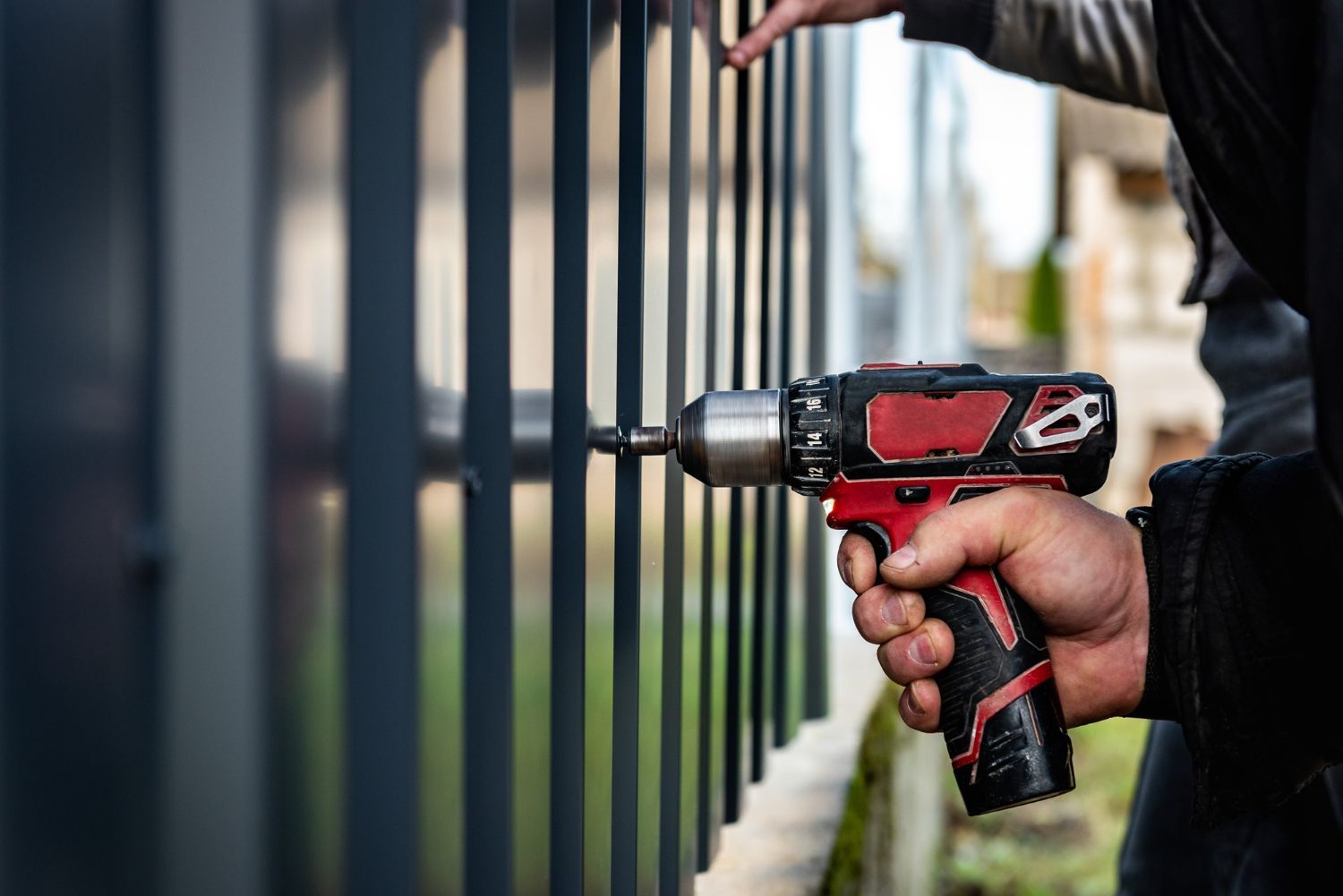
It also helps to walk the area ahead of time. If the ground is cracked, loose, or sloped, we plan for anchors or added bracing. Soft or shifting soil may require deeper posts or weighted supports.
In busy spaces, it’s smart to avoid peak hours so installers aren’t pushing through workers, vehicles, or customers. Nights and early mornings offer cooler conditions and less traffic, which helps the job go faster and safer.
Keeping Things Safe and Looking Good
Besides protecting the equipment, HVAC enclosures help shape the whole work area. A clean, secure fence keeps workers and visitors from wandering near hazardous equipment. It also prevents accidents that can happen when gear is left exposed or in someone’s path.
Added features can make a big difference without being hard to manage:
- Locks or latches keep gear off-limits to people who don’t belong there.
- Signs can guide traffic, warn of hazards, or give crews quick info right at the gate.
- If the area is visible to the public, matching materials or adding privacy panels can improve the look without losing function.
A clean workspace doesn’t just look better, it runs better. Keeping areas organized helps everyone focus during busy hours, especially in the hotter months when work already takes more energy.
Build a Safer Setup That Stays Cool
HVAC enclosures work best when matched to the area they’re in. Sun, traffic, space, gear type, and daily use all play into the kind of fencing that gets the job done.
Taking time to plan for those details makes the whole site safer and cooler, which keeps both people and equipment running smoother through the worst of summer. And once it's in place, a well-thought-out enclosure makes daily business that much easier.
Planning ahead for warmer months means choosing a layout that stands up to tough conditions and keeps your business running smoothly. We help companies tackle spaces with unusual angles, heavy activity, or fluctuating ground. Whether you’re building new or updating your current setup, the right materials and design will keep your team safe all summer. To explore your options for
HVAC enclosures, California Commercial Fence is ready to help you find the perfect fit for your site. Contact us today to start protecting your equipment and keeping your operation on track.