How Commercial Fence Companies Coordinate Multi-Site Upgrades
Multi-site fence upgrades need more than a crew and a materials list. When you manage warehouses, agricultural properties, offices, retail sites, industrial yards, or remote facilities, each location has its own access needs and security concerns. Removing old fencing or replacing gates without a clear plan can leave gaps that affect people, equipment, inventory, and daily work.
We coordinate these projects under one shared plan so you can see what is happening at every property. By organizing assessments, materials, schedules, crews, and updates from the start, we help keep each site moving toward a consistent security standard. Fall is also a smart time to review year-end improvements before holiday calendars and changing work schedules make site access more difficult.
Keep Every Location Secure During Fence Upgrades
A multi-site project should never feel like several unrelated jobs happening at once. We begin by looking at how each property operates, who needs access, and where security weak points may exist. A warehouse may have frequent truck traffic, while an agricultural property may need wide openings for equipment. An office or retail site may need fencing that protects the property without making the entrance feel unwelcoming.
Security must stay in place while work is underway. When crews remove damaged fencing, replace a gate, or install a new perimeter line, we plan temporary protection and controlled access around that work area. The goal is to prevent an upgrade from creating a new security problem.
A coordinated plan gives your team a clearer view of:
- Which sites need attention first
- What materials and gate types fit each location
- How work will affect deliveries, employees, visitors, and equipment
- When crews will be on-site and what access they need
This structure also makes it easier to manage budget timing and long-term maintenance. Instead of reacting to fence failures one location at a time, you can make decisions with the full property portfolio in mind.
Map Every Site Before Materials Reach the Job
The best time to solve a site issue is before materials arrive. We start with a detailed discovery process that documents measurements, fence conditions, gate locations, access points, utility considerations, and visible security concerns. Photos and written notes help create a clear record for everyone involved, from facility managers to on-site contacts.
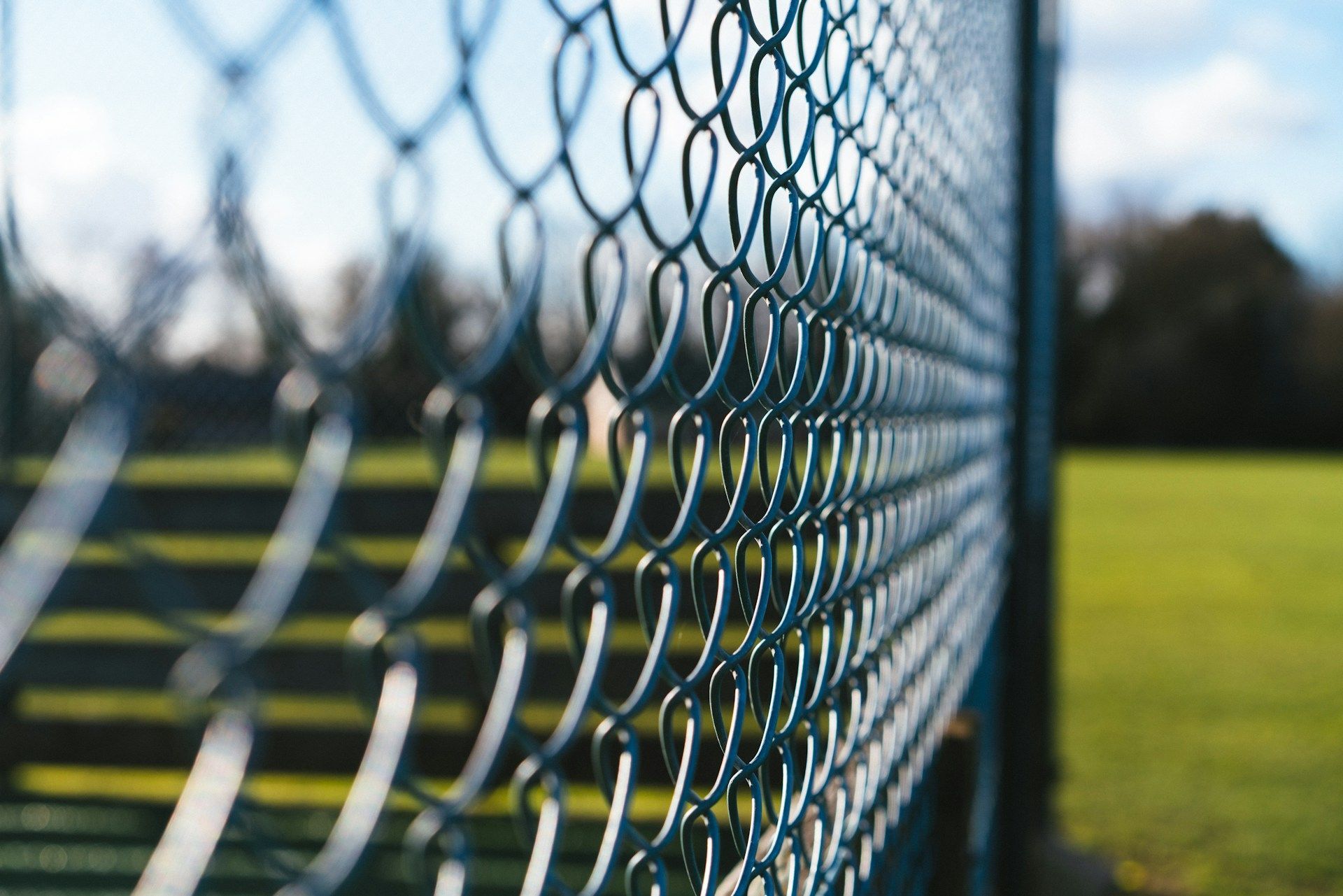
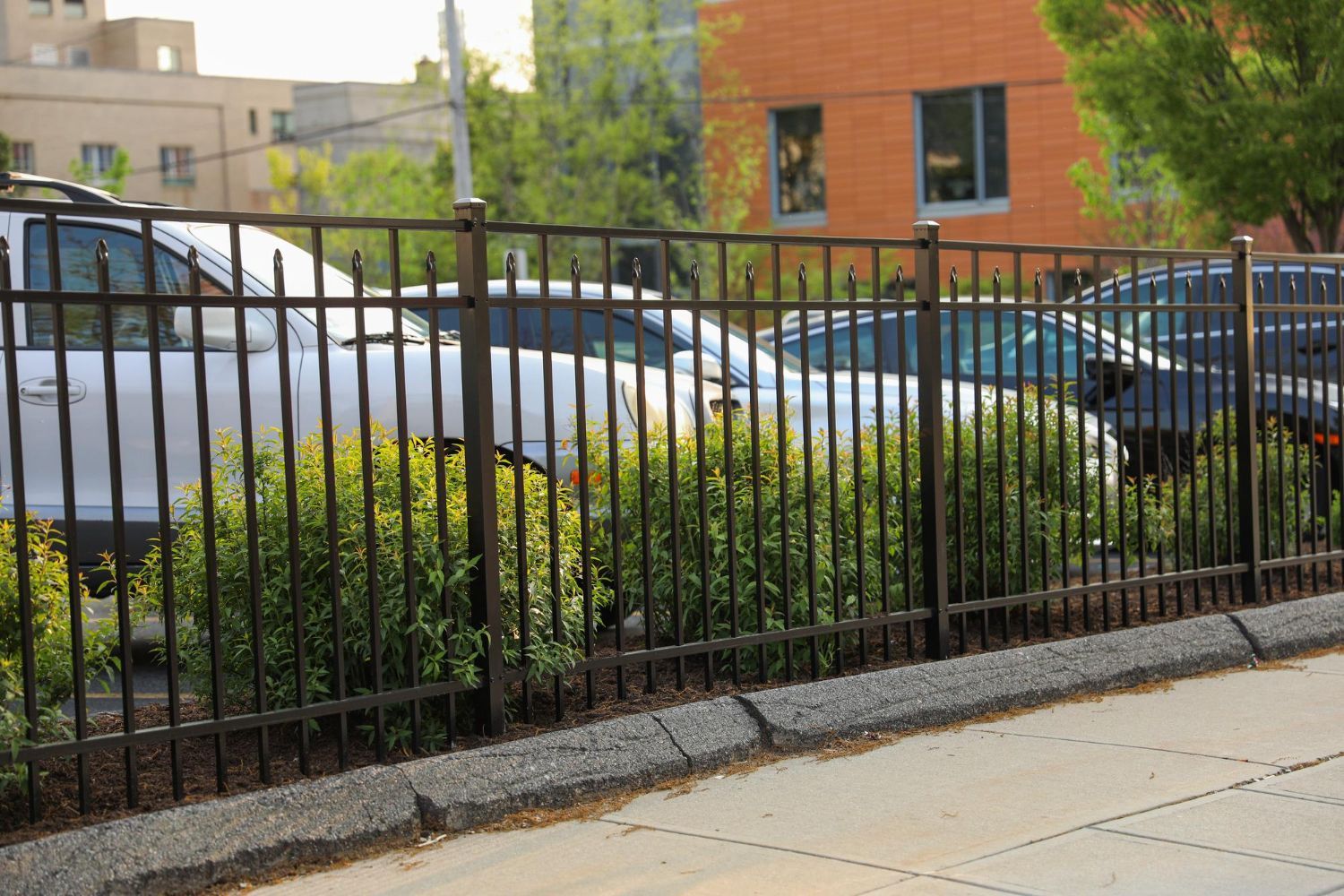
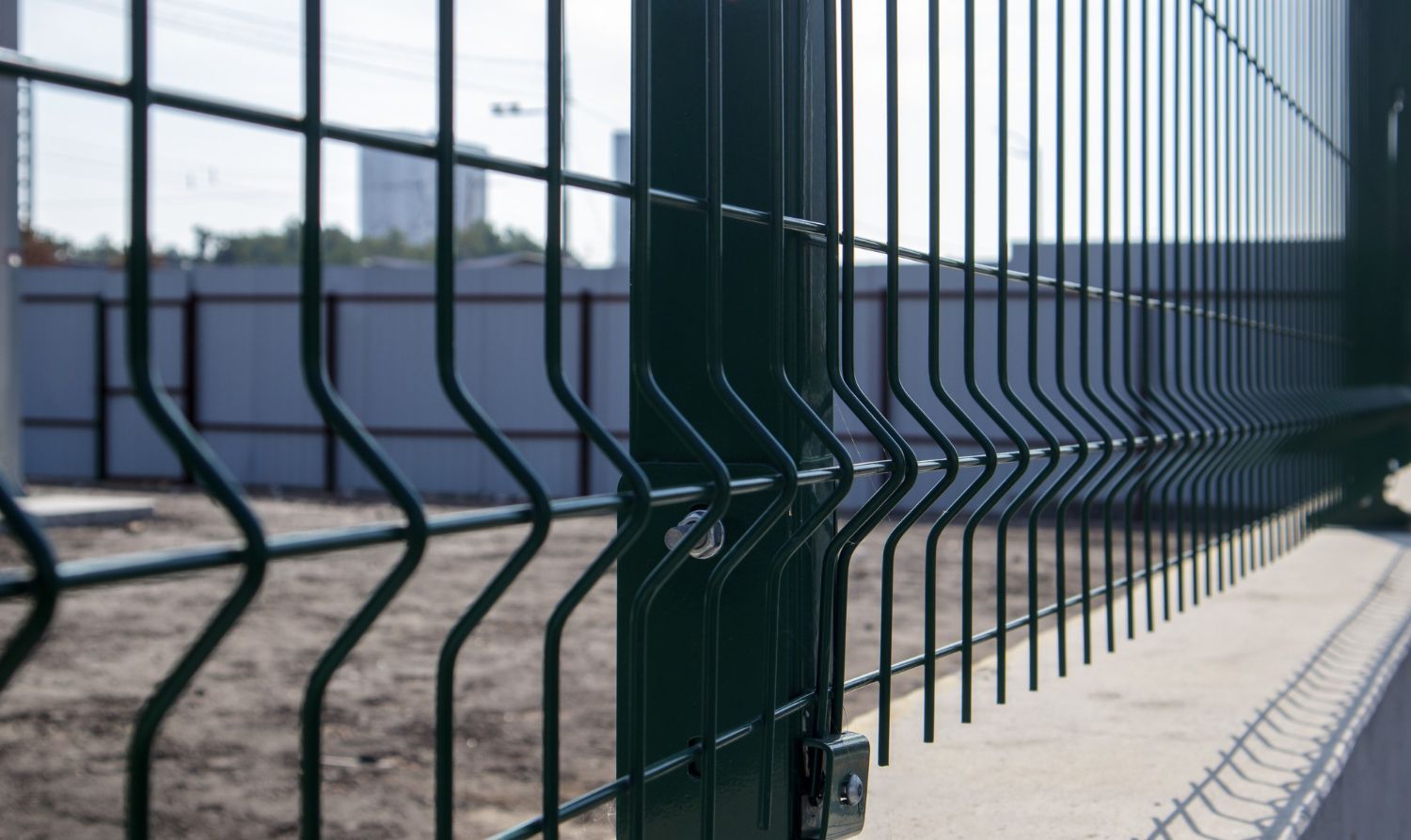
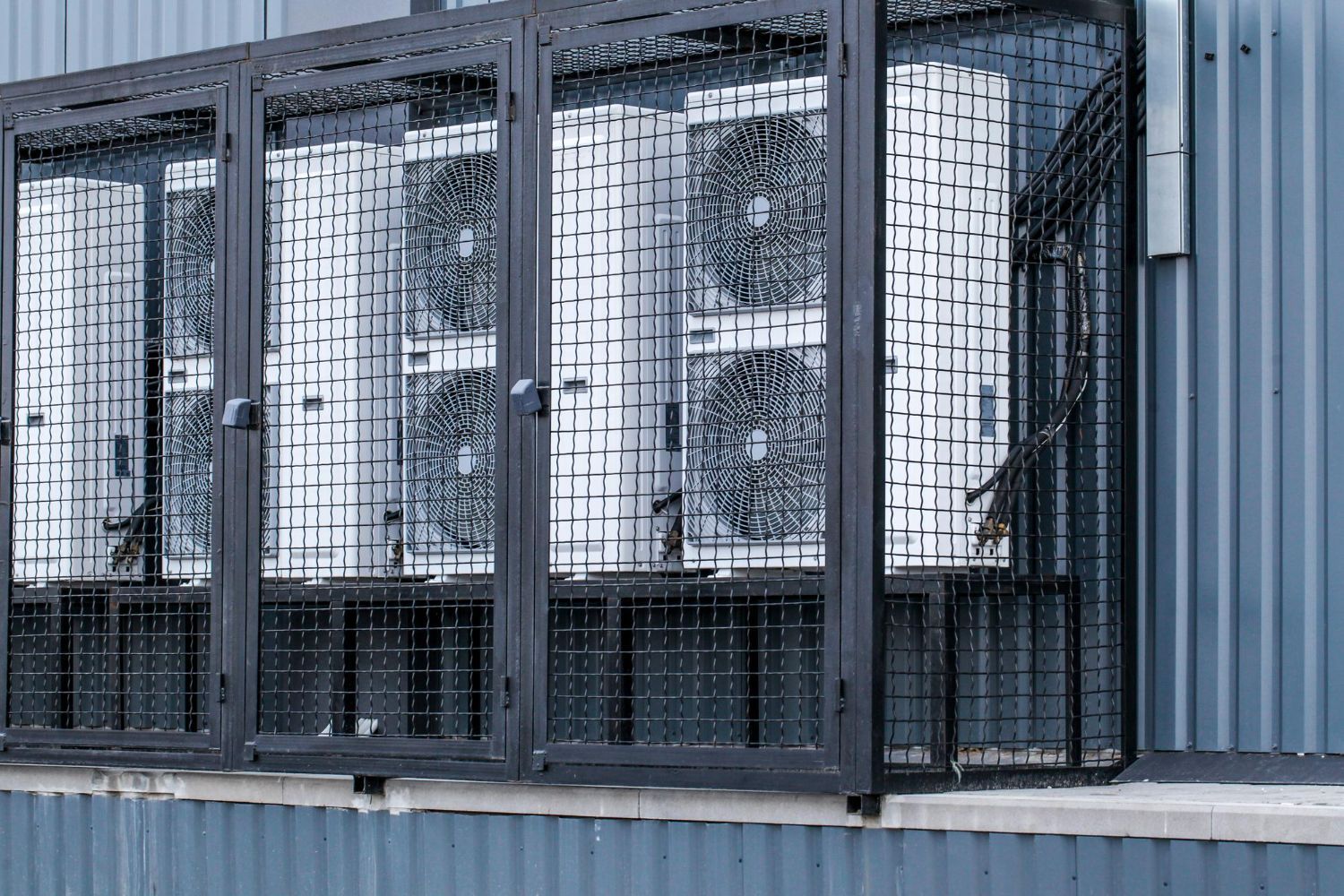
During this stage, we also identify what the fence needs to do at each location. A distribution yard may need chain link fencing and controlled-entry gates. A customer-facing property may be better suited to ornamental iron that supports security and appearance. Agricultural fencing often needs to hold up around large equipment routes and broad perimeter lines.
Not every problem requires a full replacement. In some cases, emergency repairs or targeted improvements can address the immediate issue while a larger upgrade is planned for later. A complete assessment helps us recommend whether repair, replacement, or new installation makes the most sense for each site.
From there, we build a priority matrix. This simple planning tool ranks locations based on urgency, security risk, operational impact, seasonal timing, and planned work periods. Properties with damaged fencing, unsecured gates, repeated trespassing concerns, or exposed equipment can move to the top of the schedule. Lower-priority improvements can be phased into later work without losing sight of the bigger plan.
Create Consistent Standards Across Properties
Consistency makes a multi-site fence program easier to manage now and later. When every location uses a different fence height, gate latch, finish, or post layout, future repairs and expansions can become harder to coordinate. We help you create standards that match your properties while still allowing for site-specific needs.
Those standards may cover:
- Fence height and material type
- Post spacing, finishes, and hardware
- Gate width, swing direction, and access control needs
- Warning signs and perimeter markings
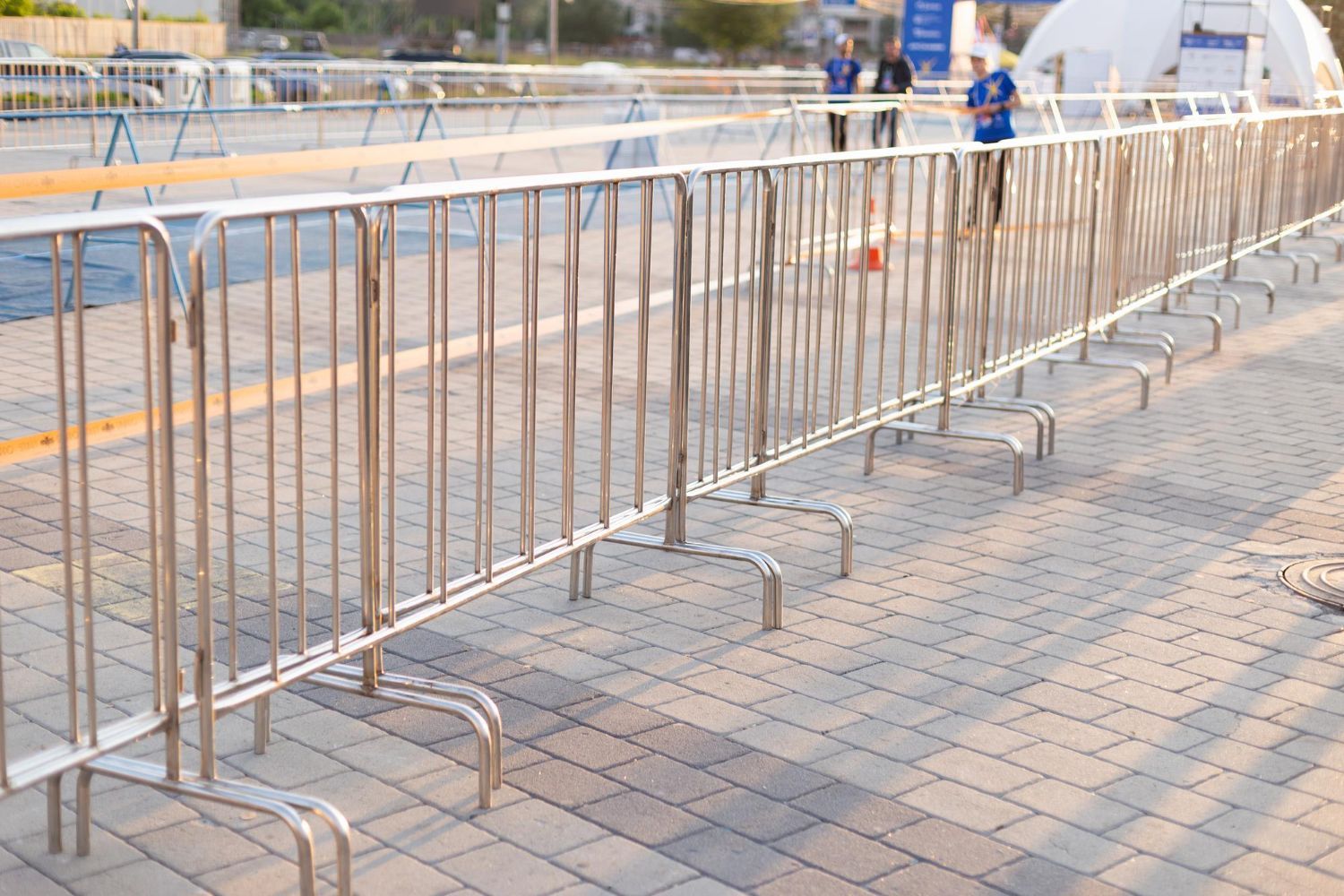
- Temporary fencing requirements during active work
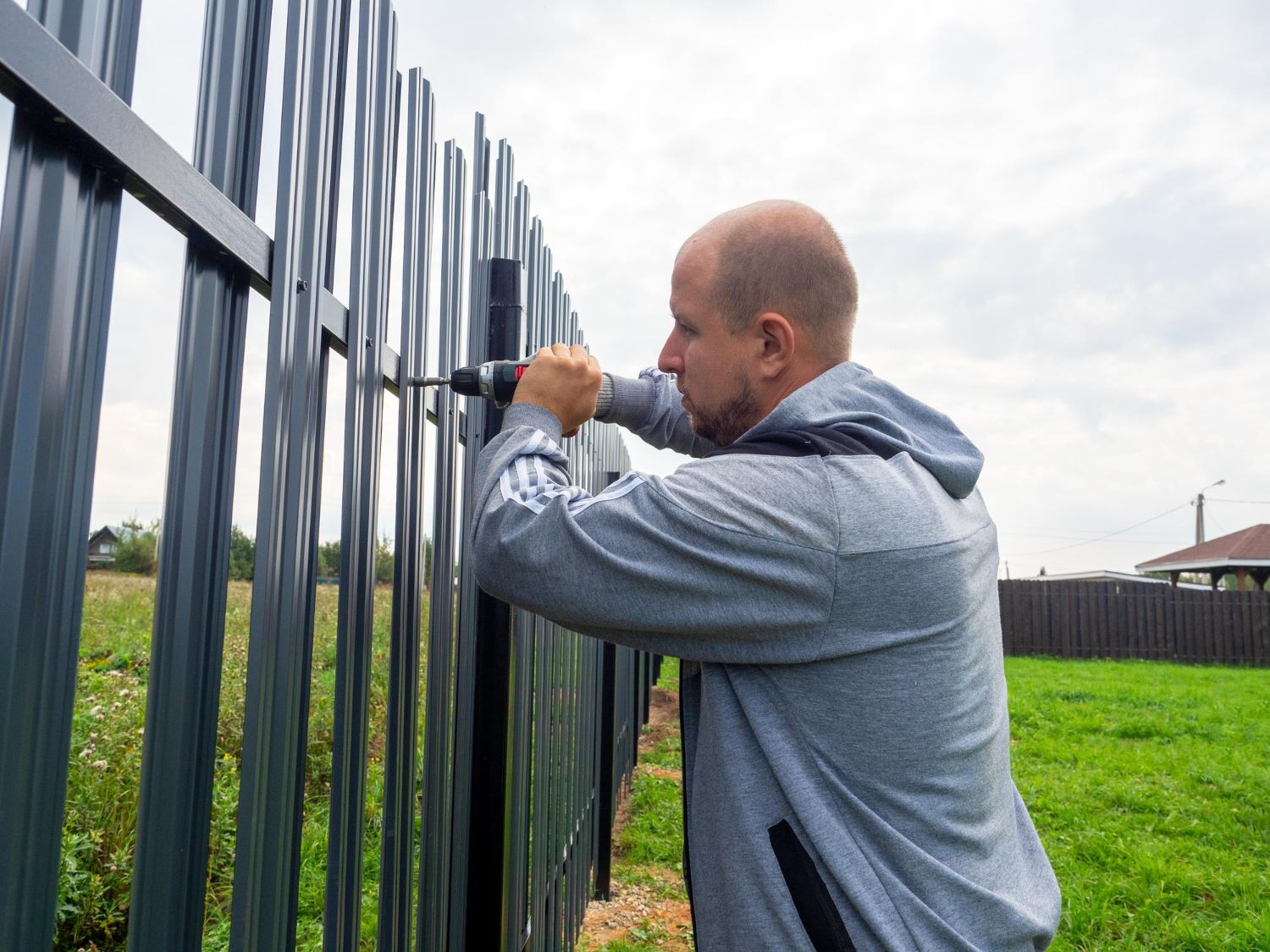
The right material depends on the job. Chain link can be a practical choice for commercial and industrial perimeter protection. Ornamental iron can work well where appearance matters along with security. Temporary fencing can help secure construction zones or areas waiting for permanent work. Custom gates can improve vehicle movement, employee entry, and controlled access at busy locations.
Centralized material planning also keeps the project more organized. Rather than treating each property as a separate order, we can stage deliveries to match the installation schedule. That helps avoid overcrowding a site with materials too early while keeping crews prepared for the next phase. Before anything is finalized, we review property restrictions, local requirements, gate clearances, and safety conditions to reduce avoidable changes once work begins.
Schedule Work Around Operations and Fall Conditions
Fence work has to fit around the way your properties actually function. A well-built fence does not help much if installation blocks a loading area, prevents equipment access, or disrupts customer traffic. We work with site contacts to understand operating hours, delivery windows, employee entry points, and areas that need to remain open.
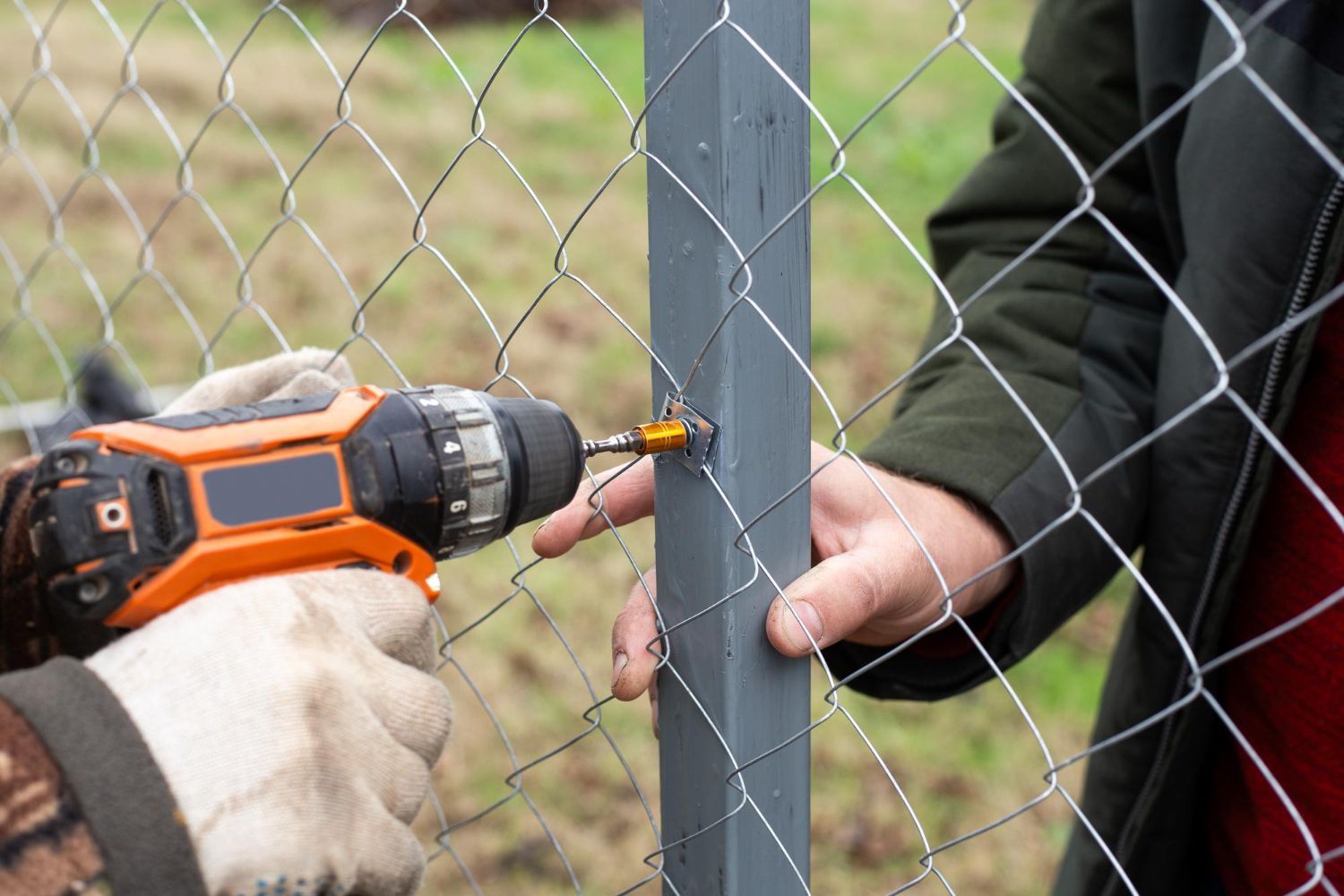
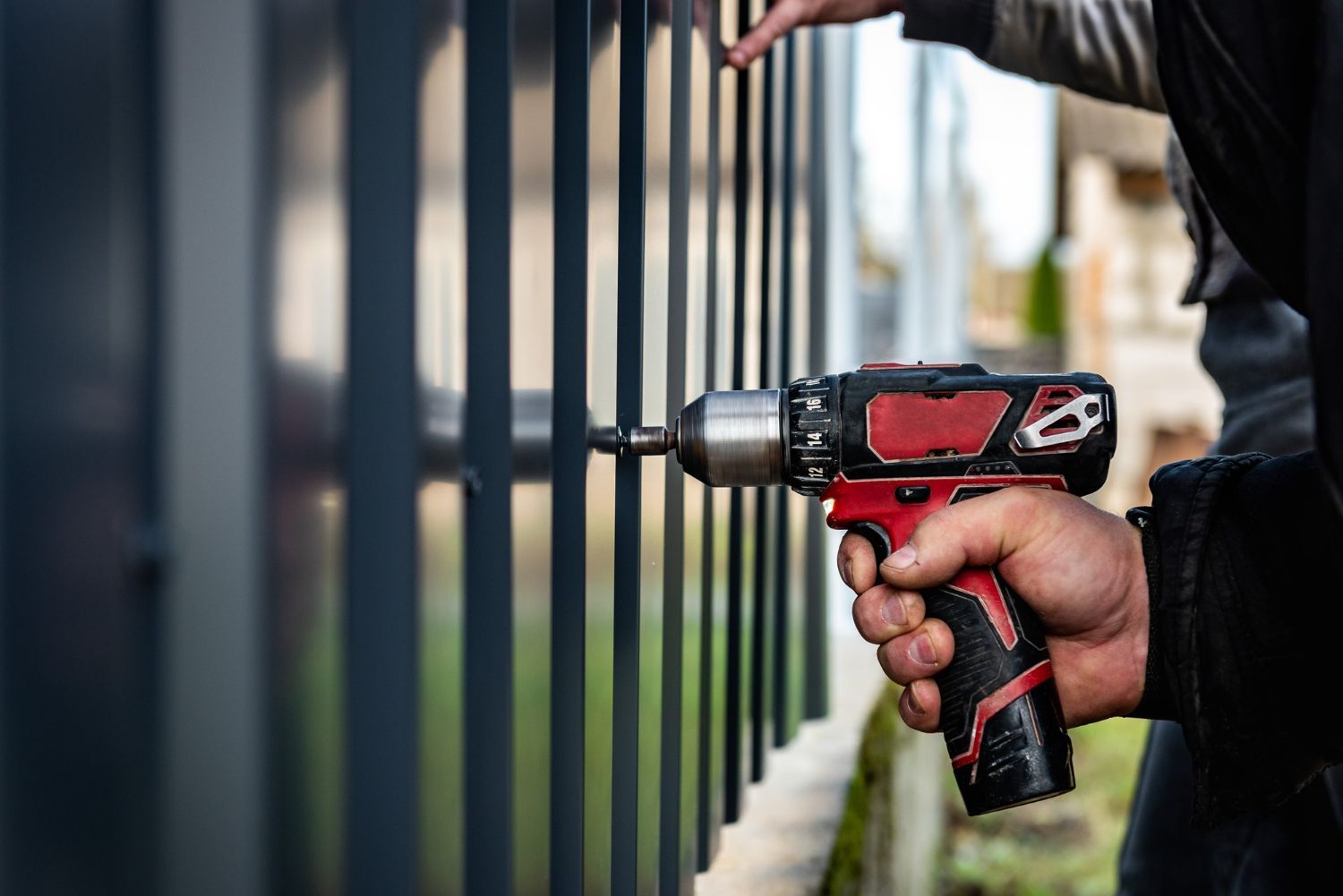
Phased installation is especially important when replacing existing perimeter fencing. Crews should not leave an open section of property at the end of the day. Temporary fencing, clearly marked work zones, and controlled entry points help maintain security while permanent fencing or gates are being installed.
October planning brings a few calendar concerns as well. Shorter daylight hours, possible rain, holiday schedules, and year-end business demands can affect the available work window. Planning materials, crew assignments, access instructions, and contingency days in advance keeps the project steadier when schedules shift.
Clear communication should include daily updates and practical site details, such as:
- Who will meet crews or provide site access
- Where vehicles, equipment, and materials can be placed
- Which gates must remain available during work
- Emergency contacts and procedures for unexpected damage
- How progress and completion will be documented
For properties across the Fresno area and throughout the western states, those details can make the difference between a smooth upgrade and a disruptive one.
Build a Coordinated Upgrade Plan
A multi-site fence upgrade is not just a group of separate installations. It is one security investment that should improve protection, access, appearance, and future maintenance planning across every property. With thorough assessments and a phased scope of work, we can coordinate permanent fencing, custom gates, temporary fencing, and repair needs without losing track of the larger objective.
Starting before year-end scheduling becomes crowded gives your team more room to set priorities, prepare each site, and keep operations protected throughout the work. A clear plan should carry from the first property review through final walkthroughs, leaving every location with fencing that fits its purpose and supports the people who use it every day.
Keep Your Upgrade Plan Moving Forward
California Commercial Fence helps property teams coordinate dependable solutions across every location. Learn how our
commercial fence companies can support your project with organized communication and durable installation. When you are ready to discuss your sites,
contact us to start the conversation.