Iron Fences and Building Codes: Ensuring Safety and Security
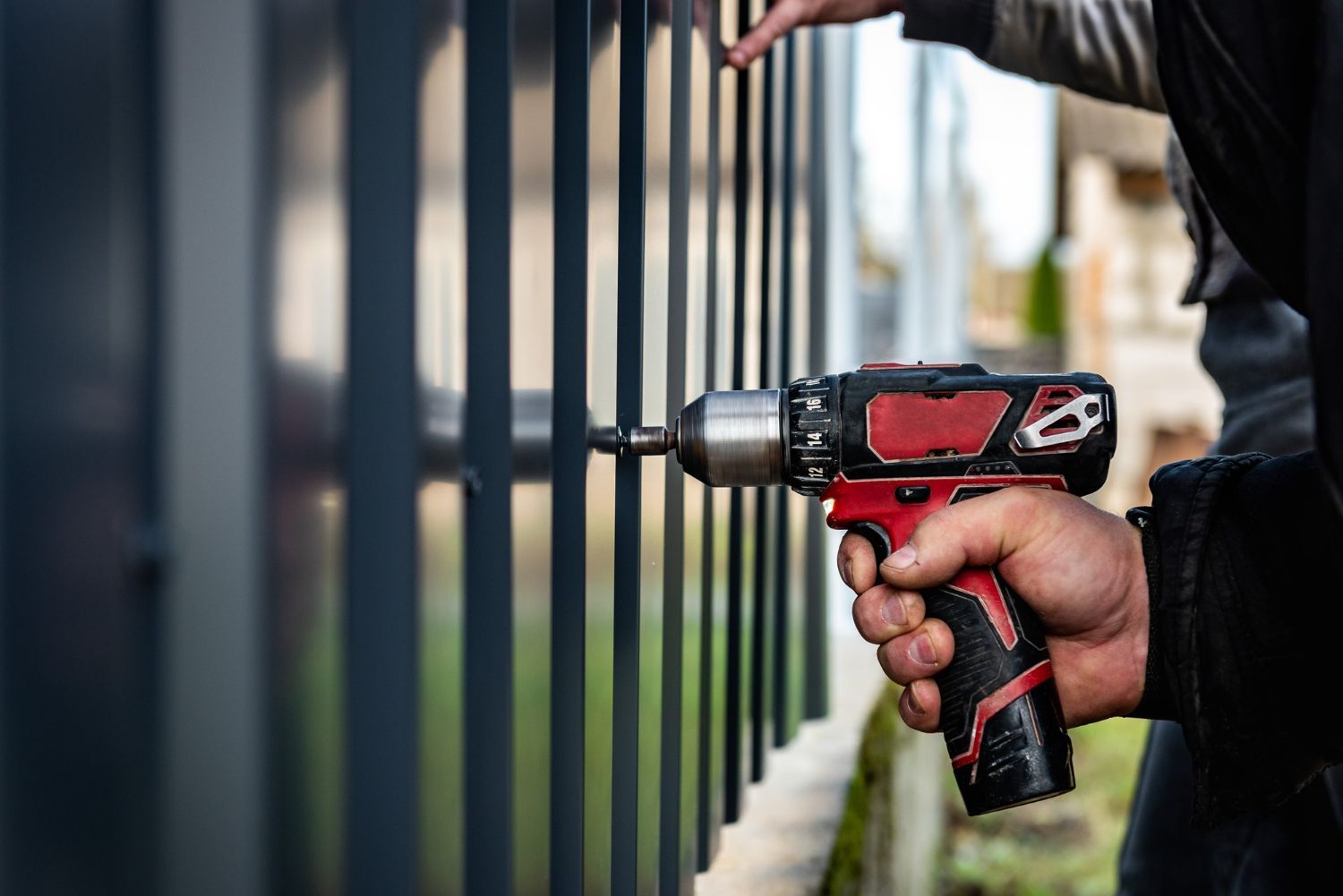
For centuries, iron fences have been a popular choice for homeowners and property owners. They are durable and elegant, and they provide an added level of security to any property. However, installing them should be done in accordance with building codes and fire safety regulations.
Understanding these regulations will help you ensure that your property is safe to live or work in. So today, we will talk about why it is important to follow building codes and fire safety regulations when installing iron fences.
Building Codes and Iron Fences
Building codes are a set of regulations that dictate the minimum standards for the design, construction, and maintenance of buildings and structures. They are designed to ensure the safety and welfare of the public. In the case of iron fences, building codes dictate the height, location, and design of the fence.
The height of the fence is important for safety reasons. If it is too low, then the fence may not provide adequate security, but if it is too high, then it may obstruct the view of pedestrians and drivers. Building codes specify the minimum and maximum height for fences, depending on the location of the property.
The location of the fence is also important. Building codes specify the setback distance from the property line, which is the distance between the fence and the property boundary. You should make sure that your fence does not encroach on neighboring properties or public land.
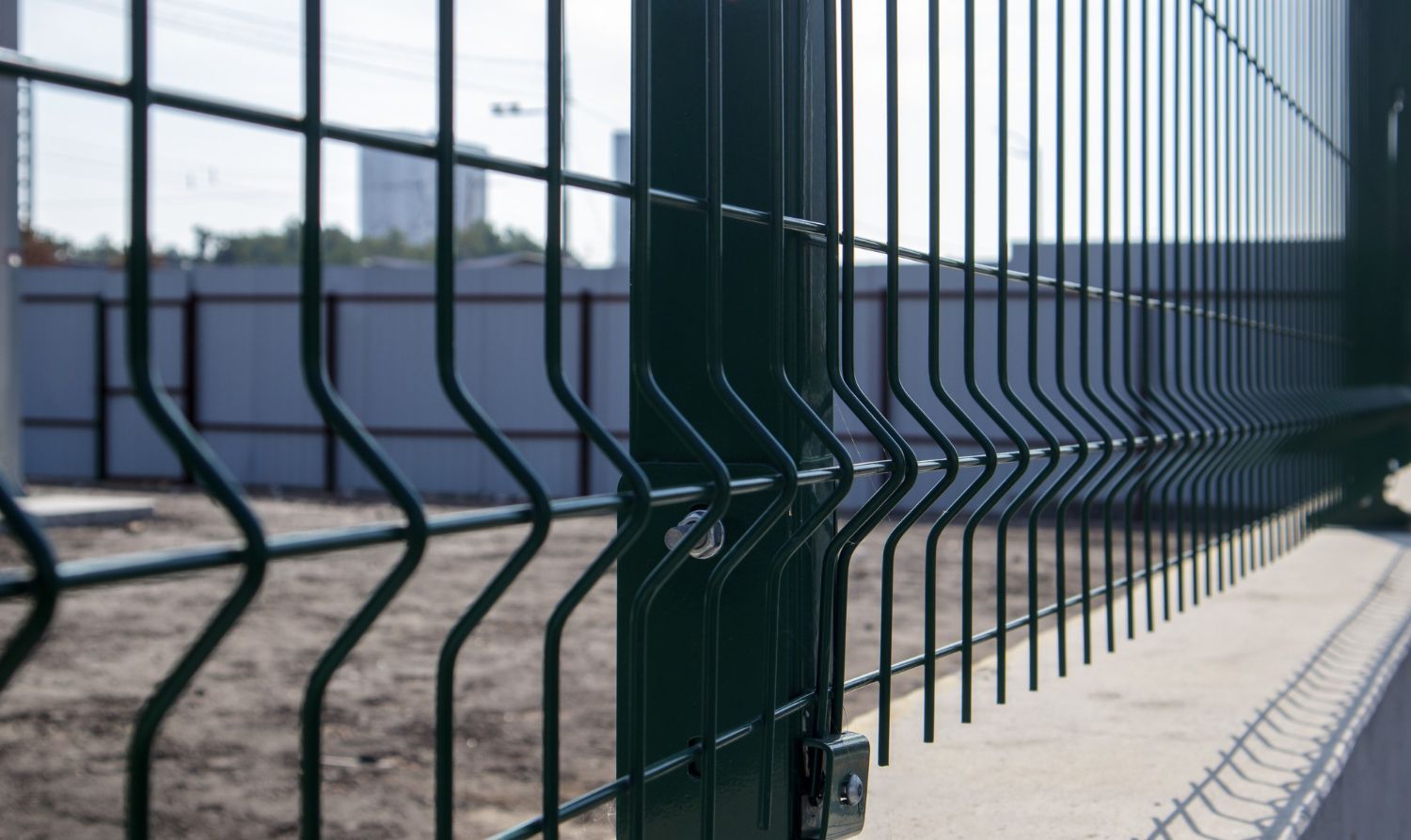
Your fence's design is also subject to building codes. It must be structurally sound and able to withstand environmental factors such as wind and rain. The spacing between the bars of the fence must also be in accordance with building codes to prevent people from getting trapped or injured.
Fire Safety and Iron Fences
Fire safety regulations are designed to prevent the spread of fire in buildings and structures. In the case of iron fences, fire safety regulations dictate the distance between the fence and the building, as well as the material used for the fence.
The distance between the fence and the building is important for fire safety. The fence should be a safe distance from the structure to prevent the spread of fire in case of a fire outbreak. The distance required by fire safety regulations may vary depending on the building's use and location.
The material used for the fence is also subject to fire safety regulations. Iron fences are generally made of metal, which is a good conductor of heat. This means that if the fence is too close to the building, it could transfer heat to the building and cause a fire. Fire safety regulations specify the minimum distance between the fence and the building and the use of non-combustible materials for the fence.
Benefits of Complying with Building Codes and Fire Safety Regulations
Complying with building codes and fire safety regulations when installing iron fences has several benefits. Firstly, it ensures the safety of the property and the people living or working there. A well-designed and installed fence that complies with building codes and fire safety regulations provides an added level of security and prevents accidents and injuries.
Secondly, complying with building codes and fire safety regulations ensures that the property is up to code. This is important when selling or renting out a property. Non-compliance with building codes and fire safety regulations can result in fines and legal action, which can be costly and time-consuming.
Lastly, complying with building codes and fire safety regulations ensures that the property is covered by insurance. Insurance companies may refuse to cover damages or injuries resulting from non-compliance with building codes and fire safety regulations.
Conclusion
When installing iron fences, it is essential to comply with building codes and fire safety regulations. These regulations ensure the safety of the property and the people living or working there, ensure that the property is up to code, and ensure that the property is covered by insurance. Iron fences are a great addition to any property, but they should be installed in accordance with building codes and fire safety regulations to ensure their safety and effectiveness.
At California Commercial Fence, we offer a comprehensive range of fencing services to meet your fencing needs. Whether you need a new fence installed or an iron gate repaired, our team of experts has got you covered. Contact us today for
fencing services in California.