A Guide to the Uses of Chain Links (Other Than Agricultural Fencing)
Chain links are versatile and sturdy materials that have been used for various purposes other than agricultural fencing. With their interlocking loops, chain links have found their way into a wide range of applications, from industrial and commercial to residential spaces. This article will explore some of the different uses of chain links that have gone beyond traditional fencing, highlighting their durability and adaptability in various environments.
Benefits of Chain Link Fences
Before delving into the different uses of chain links, it is worth noting some of the benefits of using them as fencing material. Chain link fences are:
1. Durable
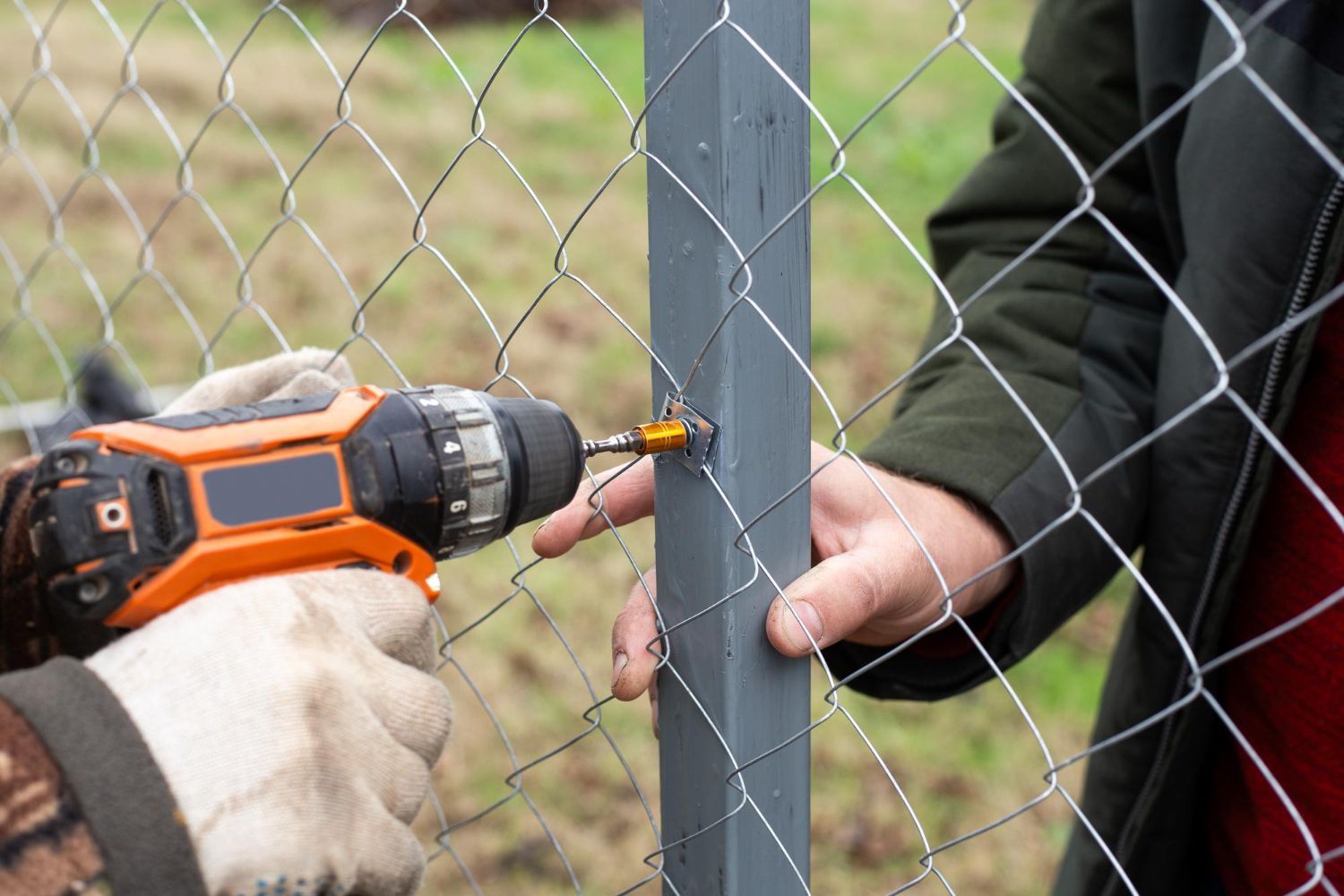
Chain link fences are made of galvanized steel or aluminum, making them resistant to rust and corrosion. They can withstand harsh weather conditions, making them ideal for outdoor use.
2. Low Maintenance
Chain link fences require minimal maintenance, with occasional cleaning being the only task needed to keep them in good condition.
3. Cost-Effective
Chain link fences are relatively inexpensive compared to other fencing materials like wood or vinyl. This makes them a popular choice for both residential and commercial applications.
4. Versatile
Chain link fences can be customized to fit various sizes and shapes, making them suitable for different applications.
Commercial Uses of Chain Links Beyond Fencing
1. Security Cages
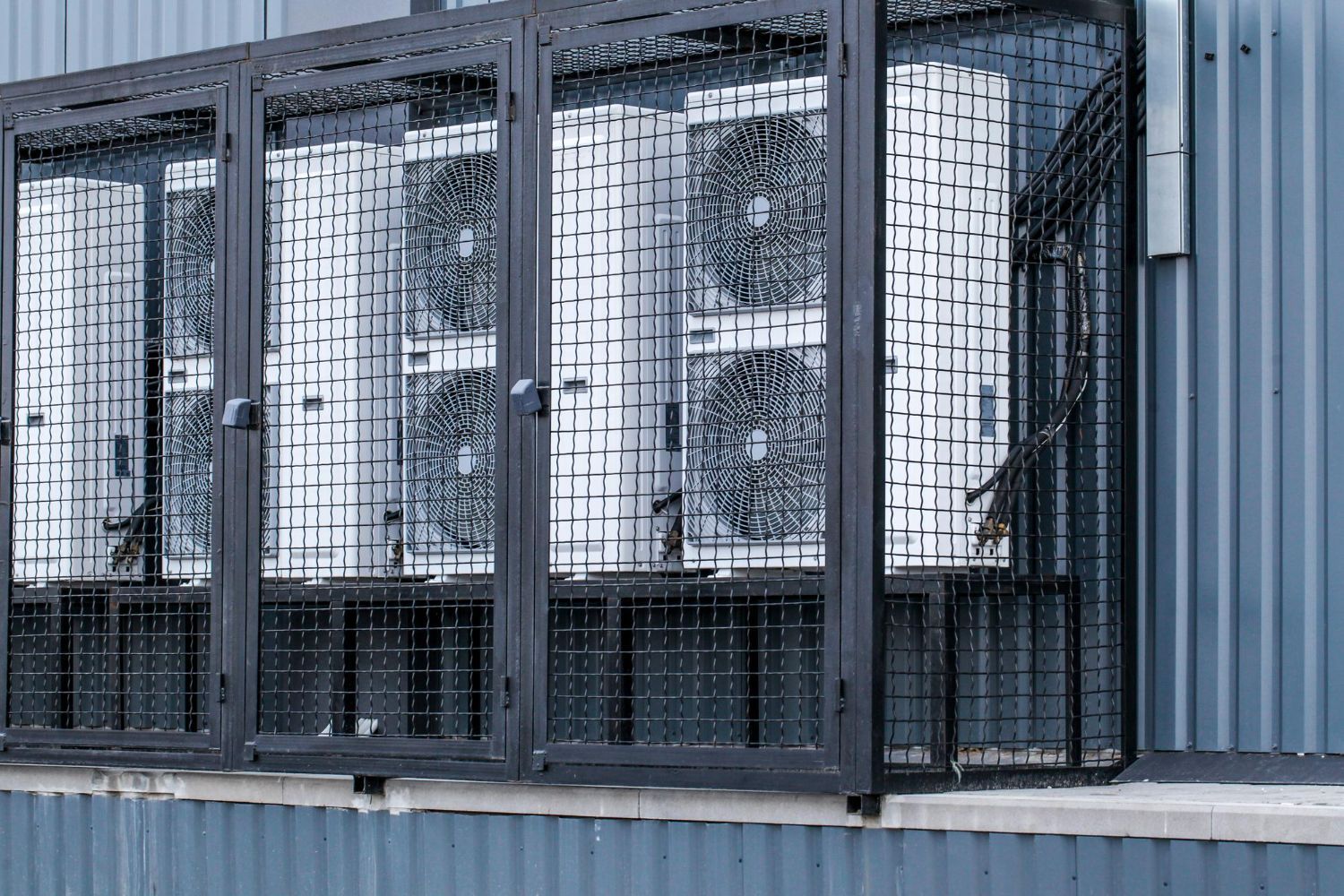
Chain link fences can be used to create secure storage areas for tools, equipment, or hazardous materials. They are often used in warehouses, factories, and other industrial settings.
2. Sports Facilities
Chain link fences are commonly used in sports facilities like baseball fields, tennis courts, and soccer fields. They provide a clear view of the playing area while keeping spectators and players safe.
3. Animal Enclosures
Chain link fences are a popular choice for animal enclosures, such as dog runs, kennels, and aviaries. They provide a secure barrier while allowing animals to see their surroundings.
4. Greenhouses
Chain link fences can be used to create a sturdy frame for greenhouse structures. They provide a cost-effective alternative to traditional greenhouse materials like glass or polycarbonate.
5. Privacy Screens
Chain link fences can be covered with privacy screens to create a more secluded outdoor space. These screens are often made of fabric or mesh and come in a variety of colors and patterns.
Residential Uses
1. Property Boundaries
Chain link fences are commonly used as property boundaries in residential areas. They provide a clear visual barrier between properties and can help prevent trespassing.
2. Garden Fencing
Chain link fences can be used to enclose garden areas and protect plants from animals or other potential damage.
3. Pet Containment
Chain link fences are often used to create designated areas for pets to play and roam safely within the confines of the property.
4. Security
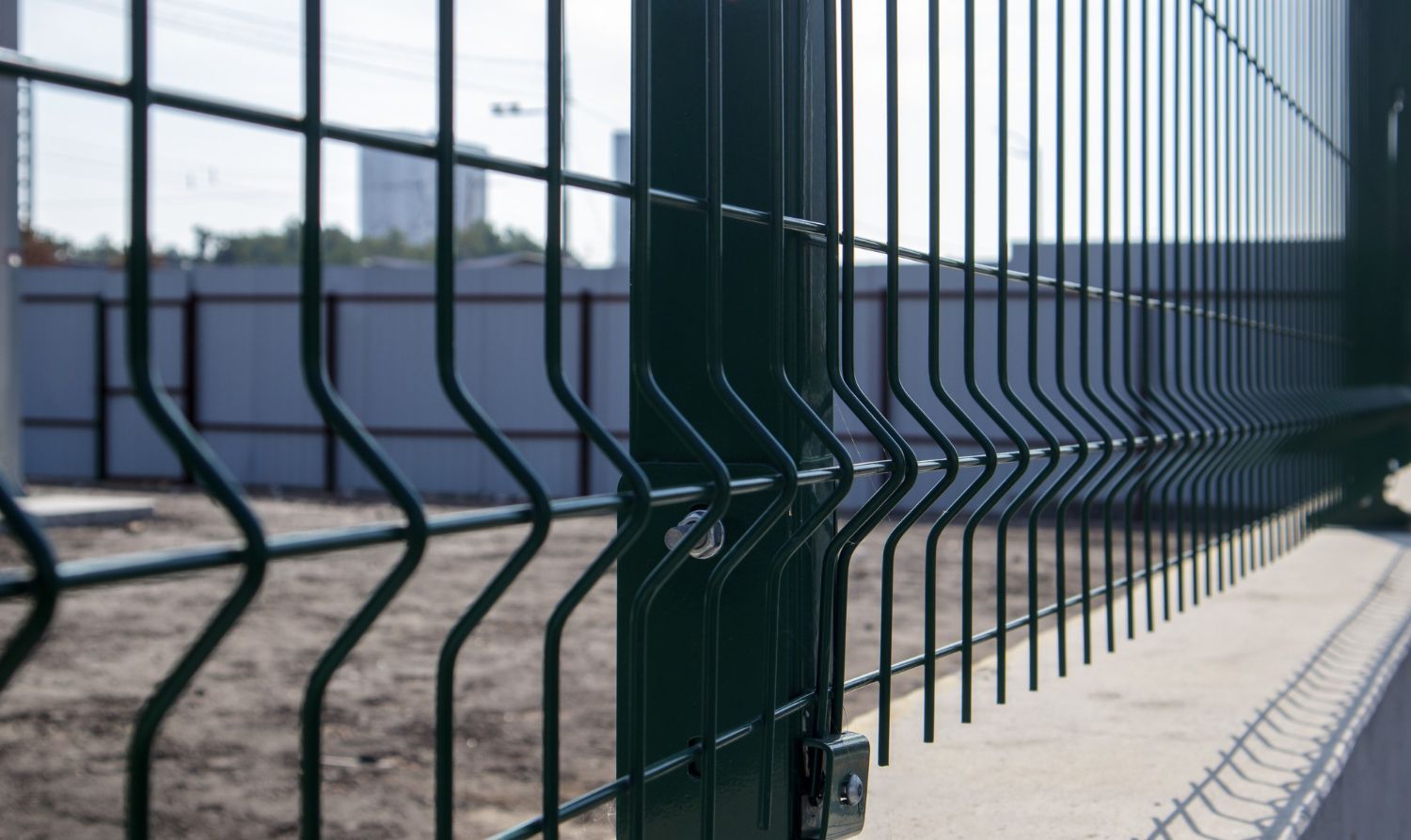
Chain link fences can be used as a security measure for residential properties, particularly in high-crime areas. They provide a physical barrier that can deter intruders from attempting to gain access to the property.
5. Sports and Recreation Areas
Chain link fences are often used to enclose sports and recreation areas, such as basketball courts or swimming pools. They help to keep the area contained and prevent unauthorized access.
Conclusion
Chain links have proven to be a very useful material with a wide range of applications beyond just agricultural fencing. From creating decorative accent pieces to creating sturdy and secure barriers, chain links have been utilized in a variety of industries and settings. The strength and durability of chain links make them an ideal choice for many projects, while their affordability and ease of use make them accessible to a variety of users. Whether it be for industrial purposes, residential projects, or creative endeavors, chain links offer a multitude of possibilities and continue to be a valuable resource in the world of construction and design.
If you are looking for a
California fence, contact California Commercial Fence. We offer a wide selection of fencing options – commercial and industrial fencing, chain link fencing, wrought iron fencing, farm and livestock fencing, and security fencing with entry gates.