Steps to Secure Businesses with Wrought Iron Fencing
Business security takes on a different kind of urgency once winter hits. In the weeks leading up to the holidays, many commercial properties adjust hours, limit staff, and stay closed for longer stretches. When the days get shorter and more time passes in the dark, it can create easy chances for unwanted access or theft. That’s where fencing choices start to matter more.
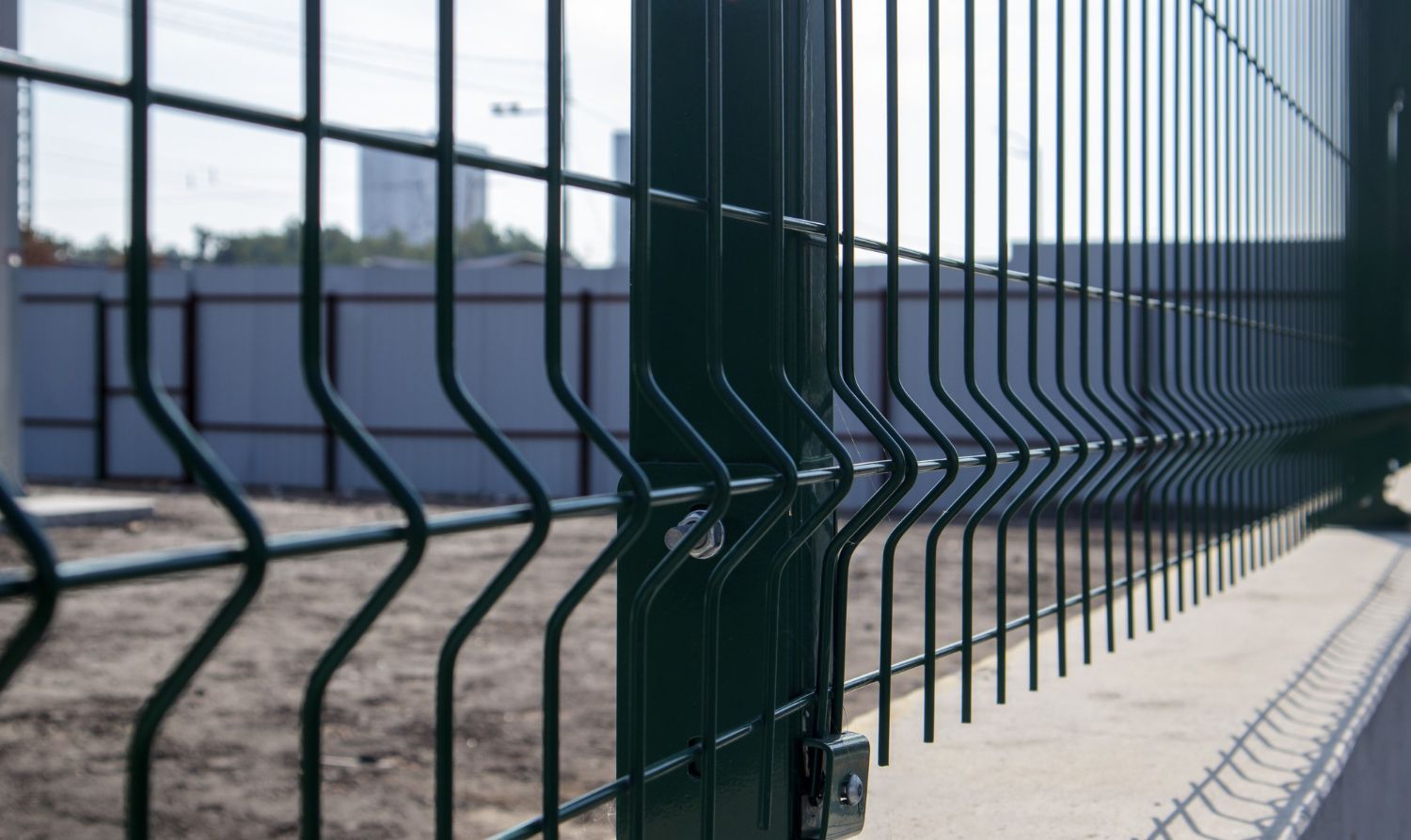
A security wrought iron fence gives a strong, lasting way to protect buildings and outdoor areas from break-ins, trespassing, or random foot traffic. Beyond being tough, these fences make it clear where the line is between public and private, which often helps prevent problems before they start. When handled the right way, fencing can support long-term protection without slowing down the daily movement around your property.
Choosing the Right Fence for Business Safety
Wrought iron has been used for generations in spaces that need protection, and there’s a good reason for that. It’s tough and hard to break through by force. At the same time, it’s easy to see through, which makes it easier to keep an eye on what’s happening outside the fence. That balance matters when your goal is to add security without making the place feel boxed in.
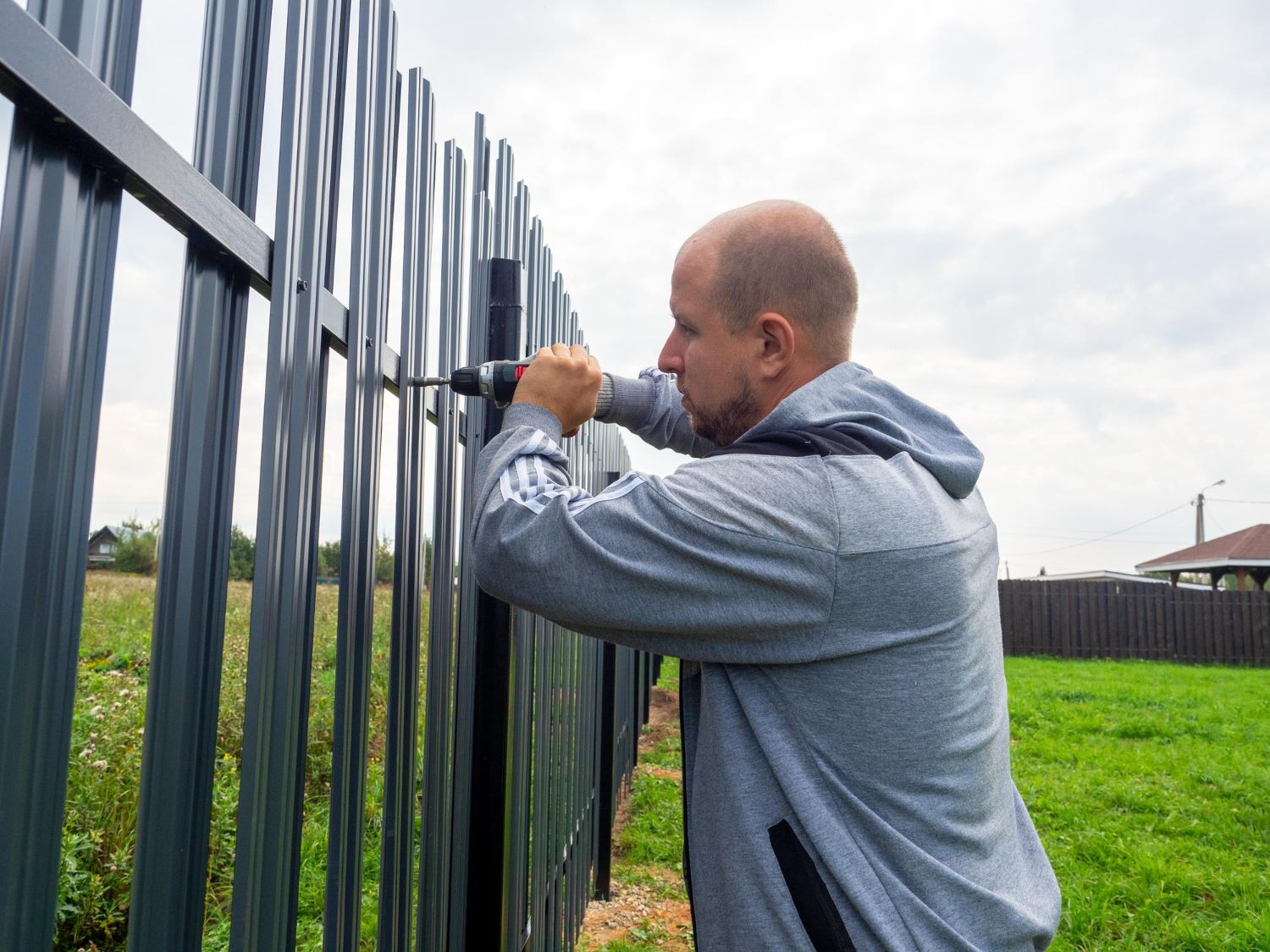
This type of fencing works well for a variety of commercial sites, including office buildings, storefronts, warehouses, and even schools. It fits into both modern designs and more traditional layouts. But picking the right fencing isn’t just about how it looks. The strength of the material, the way it’s installed, and the parts used all affect how well it holds up and how it fits into the daily workflow.
By thinking through the design early on, we can help avoid problems later. That includes planning for how people move through the space, where deliveries come in, or how customers enter and exit. The right fence plays a quiet but steady role in keeping that flow smooth. By anticipating practical needs, you can build security without causing inconvenience for regular employees or visitors.
Key Features That Add Extra Protection
Not all wrought iron fences are made the same. Some are put together in a way that makes them easy to climb or break into. The pieces that make a difference are often easy to spot if you know what to look for.
• Fence height is one of the first things people notice. A taller fence is harder to climb and sends a clear signal that entry is controlled.
• The spacing between bars should be tight enough that people or tools can’t fit through. Too much space weakens the purpose.
• Welded joints make the fence harder to break apart. Weak spots are often found where pieces connect if they aren’t fully secured.
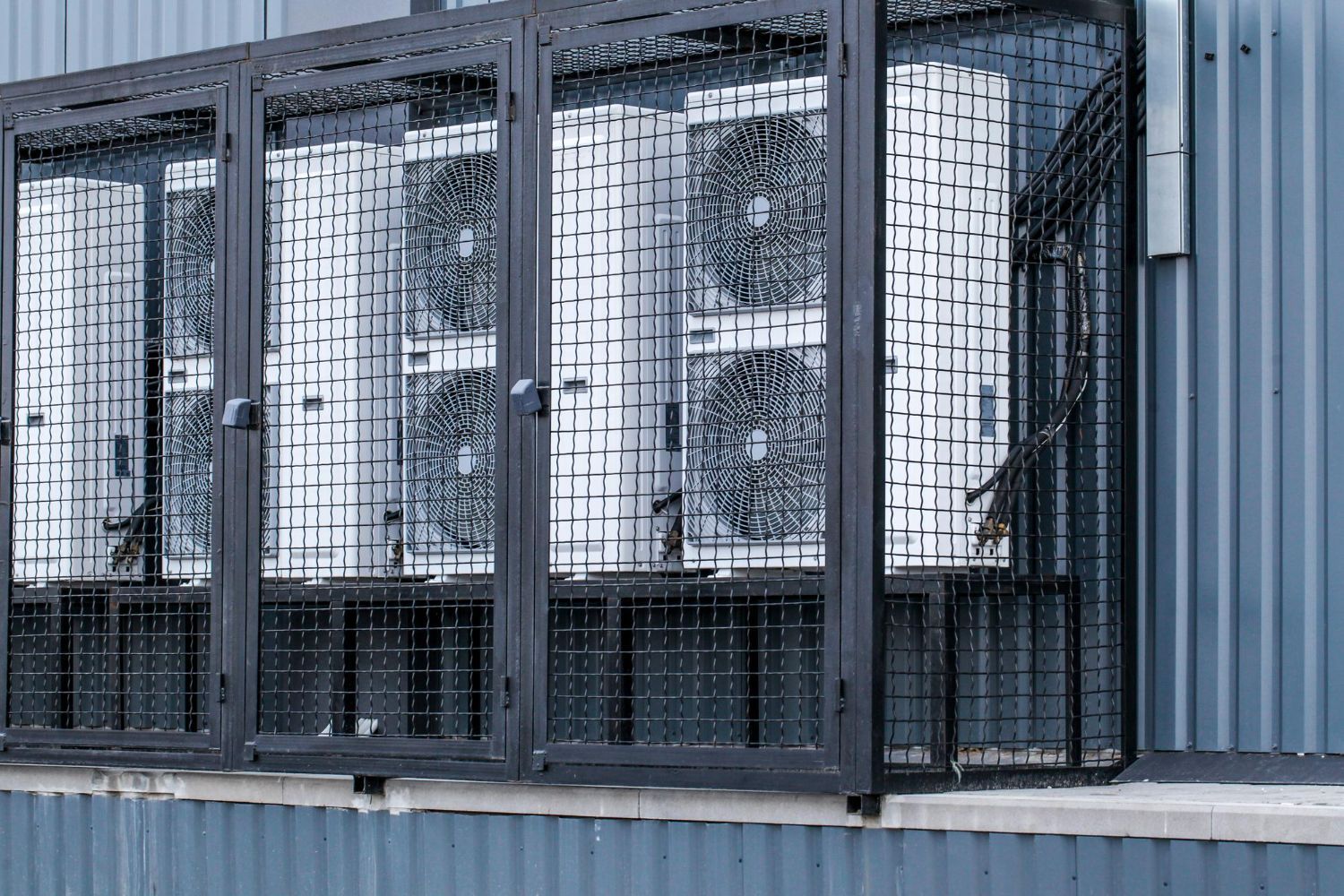
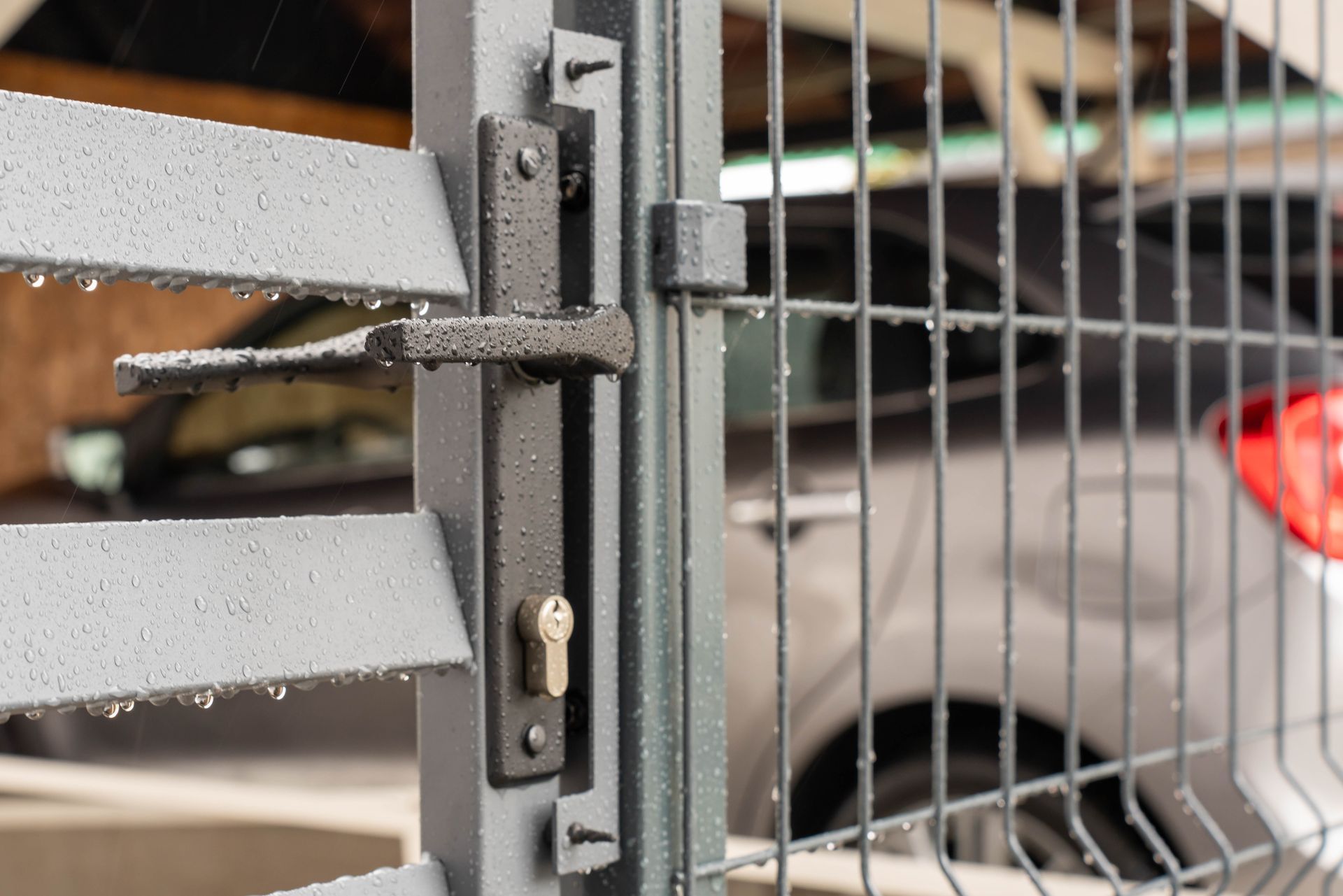
We also treat gates like part of the security system, not just an opening. Gates that sag or don’t latch well can be just as risky as having no fence at all. Lockable gates, reinforced hinges, and limited entry points can reduce easy access. Adding items like pointed tops or curved bar designs can also make climbing more difficult without making the whole fence look harsh. When selecting these features, it’s helpful to think about the type of traffic a business receives and the relevant vulnerabilities unique to that property.
It is important that security elements are integrated throughout, rather than just at the entrances. Matching the overall look of the fence with these safety functions is a way to give the impression of full-site coverage while supporting the property visually.
Matching the Fence to the Property and Layout
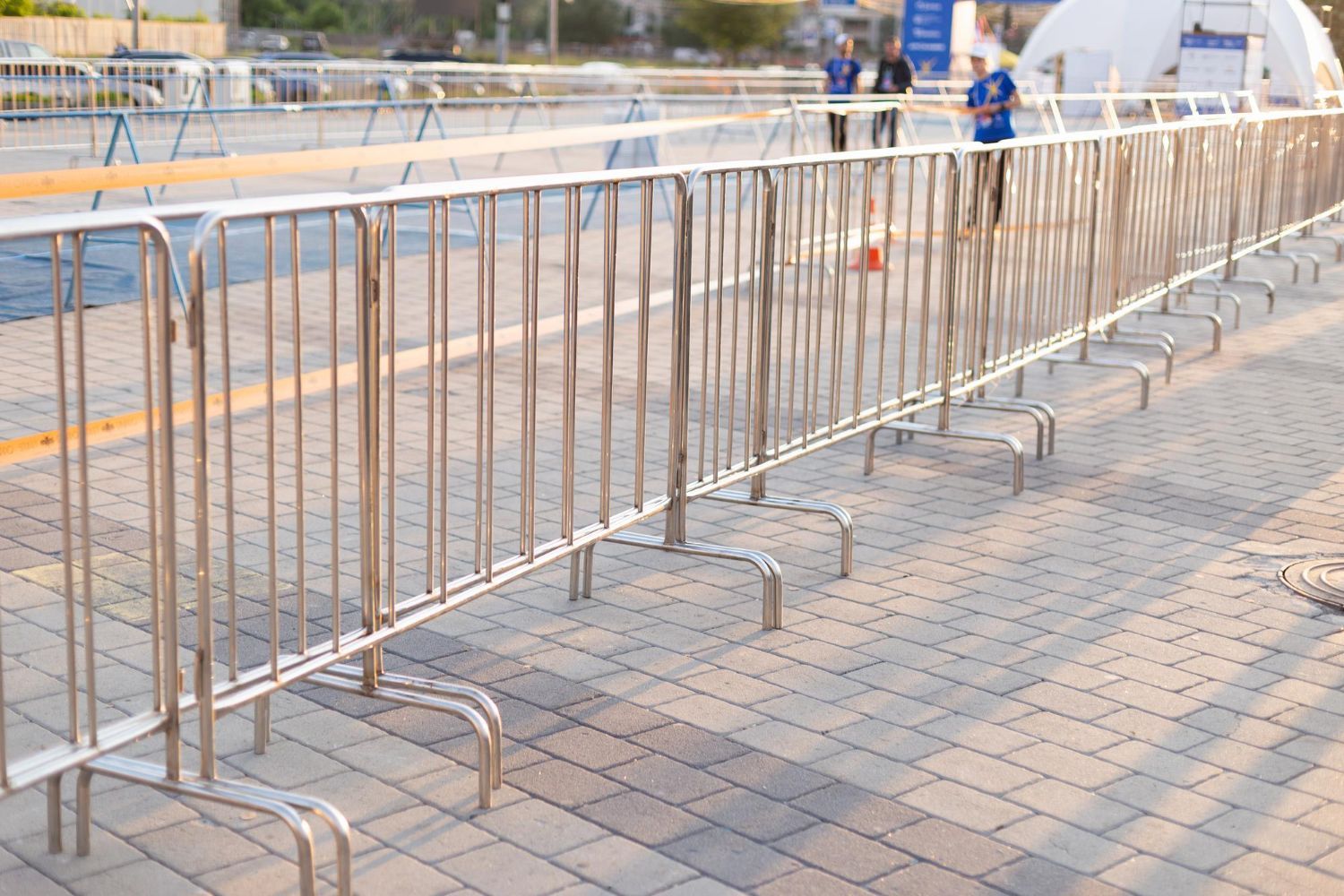
The layout around a business can say just as much as the type of fence used. A good fence layout blends into the day-to-day pattern of how people and vehicles move. It gives clear paths while protecting the limits of where guests, customers, and deliveries should be. Fencing should work with how people use the site rather than being an afterthought that could interrupt important movement.
To do that, we usually think about:
• Main entrances that welcome customers or service vehicles
• Side or back gates where staff enter or take in loads
• Corners and edges that could become blind spots if fencing cuts off the view
It helps to walk through the space during different times of day and look at where traffic naturally goes. Fences that block normal movement end up getting pushed, propped open, or damaged. That creates new risks over time. But when a fence supports how people move, everything flows better. It can also help reduce confusion for guests by pointing them where they need to go. Adjusting for alternate paths, adding signage, or making gates more visible can all improve efficiency and safety. This careful planning makes the entire area safer and easier to use, even during busy times or after dark.
When planning your fence layout, think about special considerations like nighttime visibility, emergency exits, and access for delivery vehicles. Clear sight lines also matter, so it is helpful if the fence keeps open views to avoid hiding areas behind corners or next to walls.
Built to Handle Central Valley Conditions
Winter in California’s Central Valley might not bring snow, but rain and cooler temperatures still affect the land. Around December, the ground can shift and soften, especially in low-lying or open areas. Fencing that isn’t built with that change in mind may start leaning or breaking faster than expected.
To help with that, we focus on:
• Strong steel or iron posts that go deep enough and wide enough to hold firm in soft soil
• Coatings that resist rust and extend the life of the fence in wet areas
• Details like drainage near footings so pooled water doesn’t speed up damage
Wrought iron holds up well over time, but like anything outside, it’ll need a little upkeep. That could be as simple as washing off dirt or checking for loose bolts. Strong locks or latches also need seasonal checks to work smoothly year-round. Around here, most winters are light enough that damage is less about weather and more about missed maintenance. Planning for the season ahead helps fences stay ready through rain and sun both.
Periodic inspections are worthwhile, and cleaning debris off gates or from around post bases can help each part last longer. If you see any rust spots or joints where movement has caused cracks, these areas should be fixed soon to avoid wider problems later. Taking care of the fence as conditions shift through winter makes it more likely to last for many years with just routine repairs.
Businesses Stay Safer with the Right Fencing Setup
Security doesn’t need to feel heavy-handed. A well-placed fence built from strong material like wrought iron works in the background quietly and effectively. It limits random access, keeps traffic moving in the right direction, and sends a clear signal that the space inside is managed and secure.
A good security wrought iron fence brings peace of mind because it protects what matters without getting in the way. It works through the quiet holiday weeks just as well as it does on busy weekdays. Whether you’re running a small storefront or a larger warehouse, the right fencing gives structure and guidance for daily activity. When safety, layout, and weather are all part of the plan, a fence becomes more than a border; it becomes part of how you run your business with control and confidence.
A clear site boundary helps employees and customers know where to go and signals to outsiders that the property is monitored and cared for. When a fence is chosen and installed with long-term function in mind, it can add value and lower risks for many seasons ahead.
At California Commercial Fence, we build fencing solutions that work with your property, not against it. When rethinking your layout or planning ahead for winter safety, a well-built
security wrought iron fence can give your business the structure and strength it needs. Our fences help guide traffic, reduce risks, and clearly define your space without blocking visibility. Let’s talk through the details and find the best fit for your layout and safety goals.