What to Know About High-Security Custom Gates
Strong security does not start at the front door. It often begins at the gate. Whether we are working on a secure warehouse, a school, or a farm in California’s Central Valley, most sites rely on custom gates and fences to help set limits, keep out intruders, and guide traffic in and out safely. These are not just visual barriers. They carry real weight in how a property operates and protects what matters inside.
Late winter is a smart time for planning these upgrades. With spring just a few weeks away, February gives us breathing room to review what is already on-site and prepare for new installs or updates before heavier traffic or summer heat arrive. Getting ahead now saves time and avoids delays when construction season fully picks up.
What Makes a Gate High-Security
Not every gate provides the same kind of protection. A high-security gate is built to do more than stop trespassers. It is built to last, even under stress, and it plays a key part in controlling access.
• Strong materials are a must. We look for steel, reinforced chain link, or wrought iron, anything that stands up to hard weather and makes forced entry harder.
• Locking systems go beyond standard latches. Some gates connect to keypads, card readers, or electronic locks that only let approved people in or out.
• Controlled access turns a simple gate into part of a full security plan. It helps track who comes in, when, and how long they stay.
These gates often show up around sensitive spaces such as schools, storage lots, power facilities, or government buildings. In places where equipment or people need added protection, these features matter just as much as the property walls.
How Custom Gates Fit Property Needs
No two properties are built the same, and that goes for gate setups too. Where a gate sits and how it opens depends on how people and vehicles move through the space.
• Some gates need wide openings for trucks. Others are smaller, just enough for people on foot.
• Special gates may be needed if there are driveways near tight turns, or if multiple entrances are used at different times of day.
• Gates can be designed to swing, slide, or lift, depending on nearby space or traffic flow.
Using custom gates and fences gives us more control over fitting the gate into the space, rather than forcing a property to work around a standard design. When we think through deliveries, shift changes, or foot traffic ahead of time, we are less likely to run into problems later that require rework or add wear faster than expected.
Custom designs also consider the long-term use of a property. For example, a gate that works well now should still function smoothly as your needs change, such as when adding new equipment or changing access patterns. Planning for flexibility helps avoid unnecessary renovations or the expense of replacing gates sooner than expected.
Choosing the Right Materials for Central Valley Weather
The weather across California’s Central Valley can be tough on outdoor structures. Hot summers, dry winds, and wet winters all wear down even strong materials if they are not built for the job.
• Wrought iron holds up well in high heat and gives added strength without bending or warping.
• Galvanized steel is good for large gates that span wide openings, especially in areas with heavy wind.
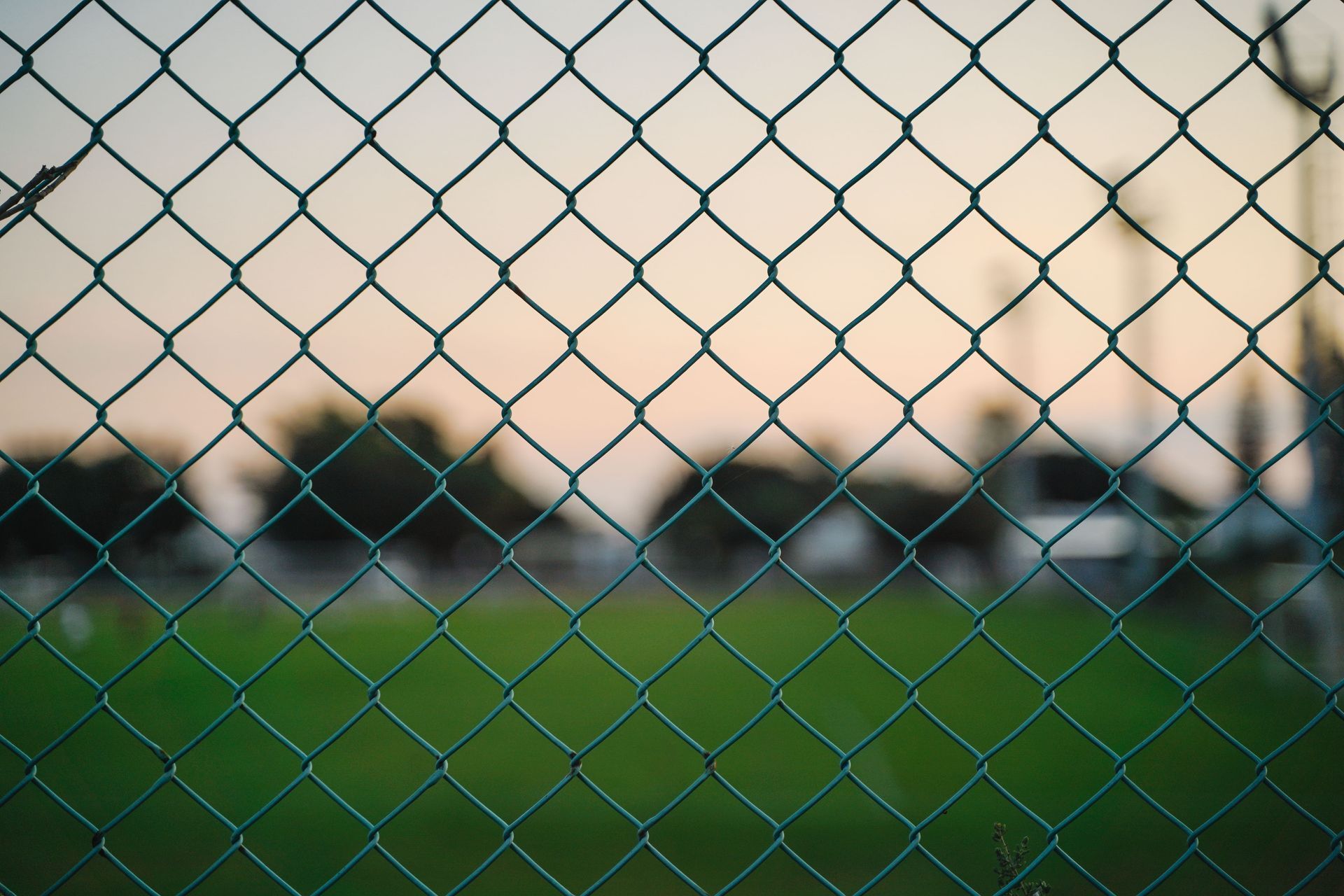
• Reinforced chain link works well where visibility and durability are both needed.
Low-quality materials may look fine at first, but a few storms or temperature swings can take their toll. Rust, cracks, or sagging can affect not only how the gate looks but how well it works. When we match materials to the land and weather, the gate tends to last longer and hold up better through the seasons.
Maintenance is also a factor when choosing materials. Some options, like certain finishes on metal, can resist rust better with periodic upkeep. Fencing crews may suggest coatings or treatments designed for regional conditions, which could extend the lifespan of your investment and ensure fewer repairs over time.
Placement and Function Matter as Much as Design
Security gates that look strong but do not match the property flow will not do much good. How and where we place a gate often decides how secure or useful it really is.
• Gates should never be an afterthought. We plan their location based on nearby traffic, sightlines, and access levels.
• Different properties call for different open styles. A swinging gate might work fine in a farm field but could block traffic on a tight dock.
• Automated gates add convenience and control. Some connect to sensors, cameras, or timers so opening and closing can happen without direct handling every time.
A smooth day-to-day flow makes spaces feel safer too. When traffic moves the way it should, people are less likely to make mistakes or break protocol. Good layout supports both security and function from day one.
Its placement should also consider all surrounding structures and the frequency of use. A rarely used emergency access gate, for example, might need different placement and locking mechanisms than a main entry gate. Installing gates with suitable access paths means they can be used efficiently without causing bottlenecks or safety concerns.
When to Get Started for Spring Projects
By February, many property owners in Central Valley can already feel spring around the corner. Days get longer, and the winter slowdown gives just enough space to get ahead on upcoming projects.
• Starting now gives us time to gather what is needed, whether that is materials, permits, or scheduling.
• Earlier scheduling opens more windows to get work done before spring calendars are full.
• This is the perfect time for a full site walk. Loose hinges, worn-out locks, or gates that sag in the rain are often easier to catch and fix before daily use picks up.
With more eyes on safety and flow come spring and summer, we like to get the planning and prep out of the way before that pressure builds. February might seem quiet, but it is one of the best windows for staying ahead.
Careful early planning also allows more time for coordination with neighbors or municipal authorities if your site has shared boundaries or falls under special regulations. Getting permits, ordering unique gate parts, or scheduling experienced installers can all take extra time, especially during the busy spring season.
Planning Stronger Sites with the Right Gate Setup
The right gate does more than seal off a space. It works each day to shape how a site runs, how safe it feels, and how long it stays secure. That is why we focus not just on materials, but layout, weather, and future changes down the road.
By thinking ahead during late winter and choosing the right setup now, we give gates a better shot at staying strong through wind, rain, and heat. Function, strength, and timing all fit together to keep people and property protected, not just for the season ahead, but for the long run.
When you are ready to take the next steps, California Commercial Fence can help get your spring gate plans off the ground. Whether it is a new security setup or fixing what is already in place, we take time to figure out what fits your space best.
Get your site ready for the season with gates built for both security and durability. Central Valley weather can put significant pressure on exterior structures, making smart choices around material, layout, and long-term performance essential. Projects that involve
custom gates and fences benefit from thoughtful planning well before the spring rush. At California Commercial Fence, we believe the right setup protects your property and supports the smooth operation of your business every day. Call us to schedule a walkthrough or discuss your gate plans.