Guide to Renting Temporary Fencing for Construction
Every construction site needs a clear boundary. Whether you're building from the ground up or working on a small utility job, it's important to keep the area safe and controlled. Temporary fencing rental is one way to make that happen without a permanent setup. It keeps people and property safe while giving crews the space they need to get the job done.
A good fence does more than just mark the edge of a job site. It protects equipment, helps with crowd control in busy areas, and can even guide vehicles and foot traffic safely around active zones. With the right setup, you stay focused on the work itself instead of worrying about accidents or missing tools.
Choosing the Right Type of Temporary Fencing
Not all job sites need the same kind of fence. Some are quick, three-day digs. Others stretch out for months. Picking the right fence starts with what the job looks like and how long you’ll be there.
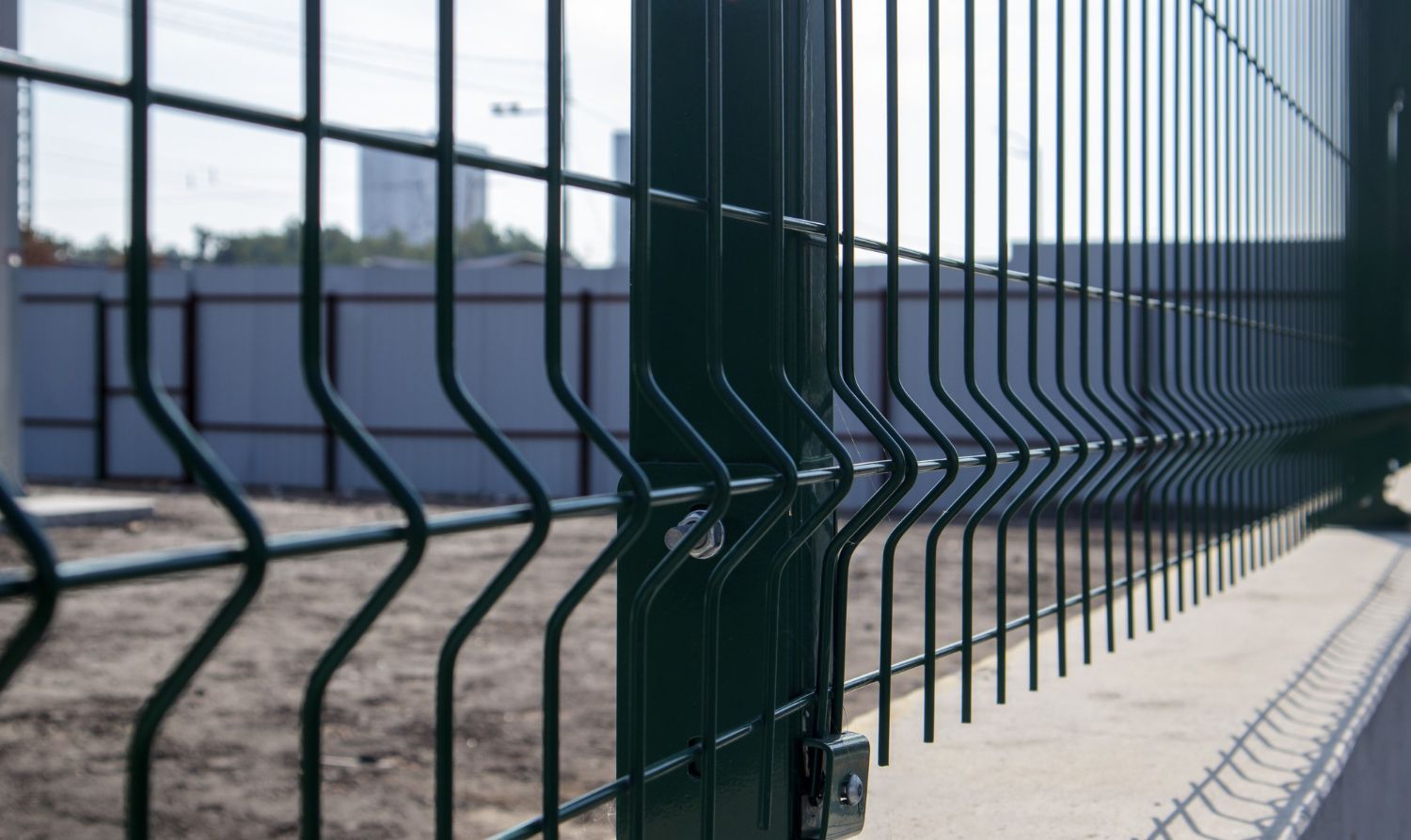
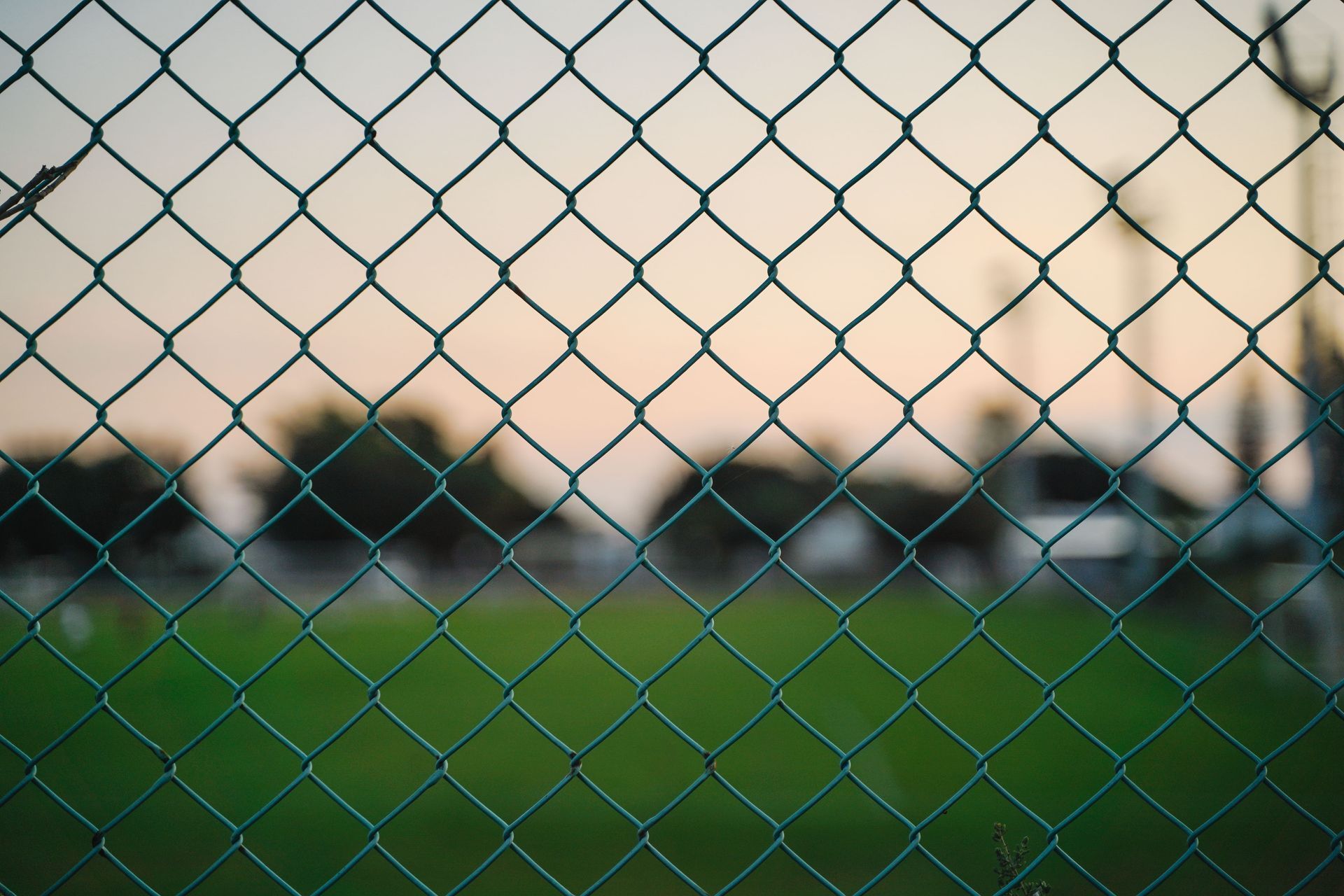
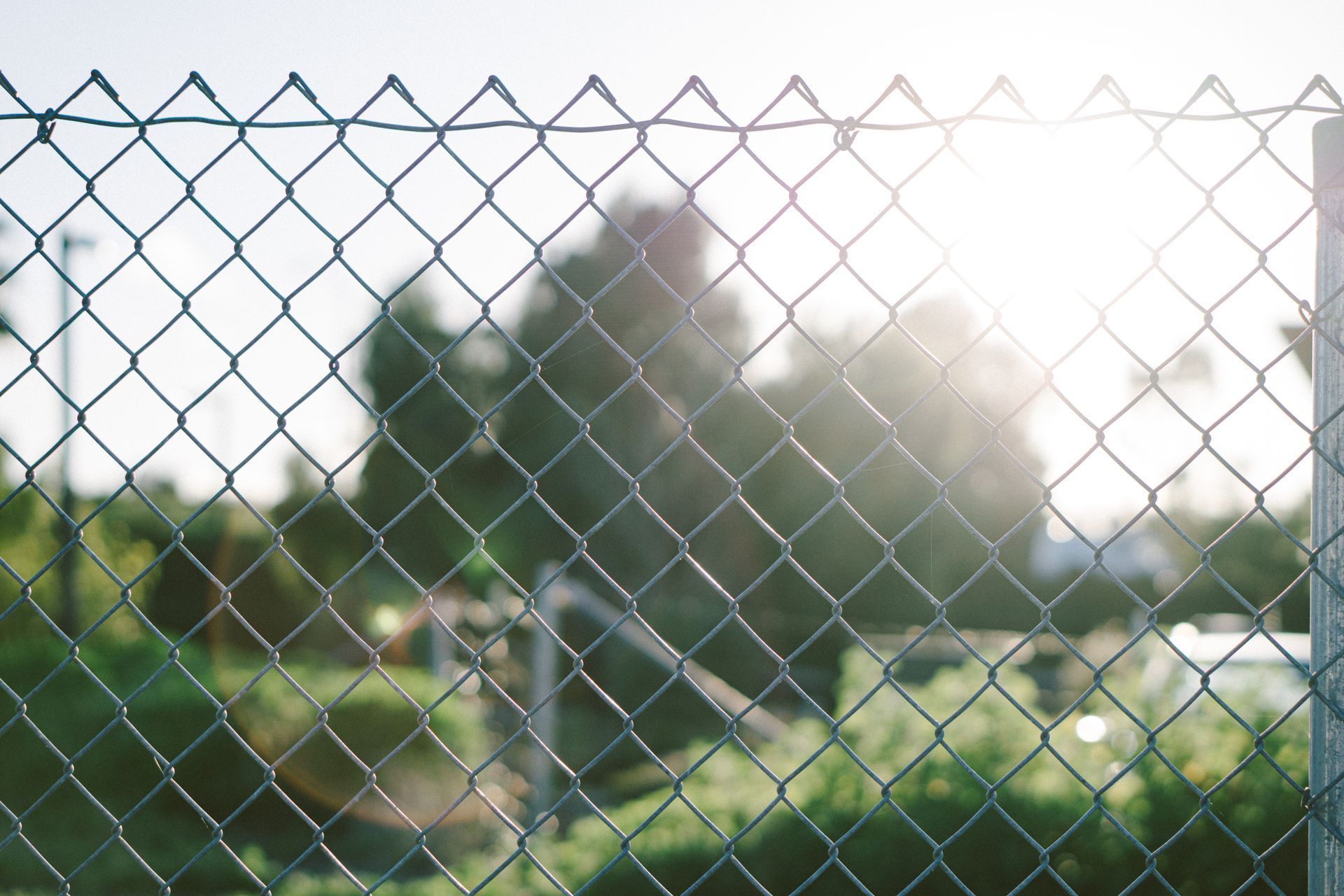
• Chain link panels are one of the most common options. They stand up on steel feet, are quick to install, and work well for both short and long-term jobs.
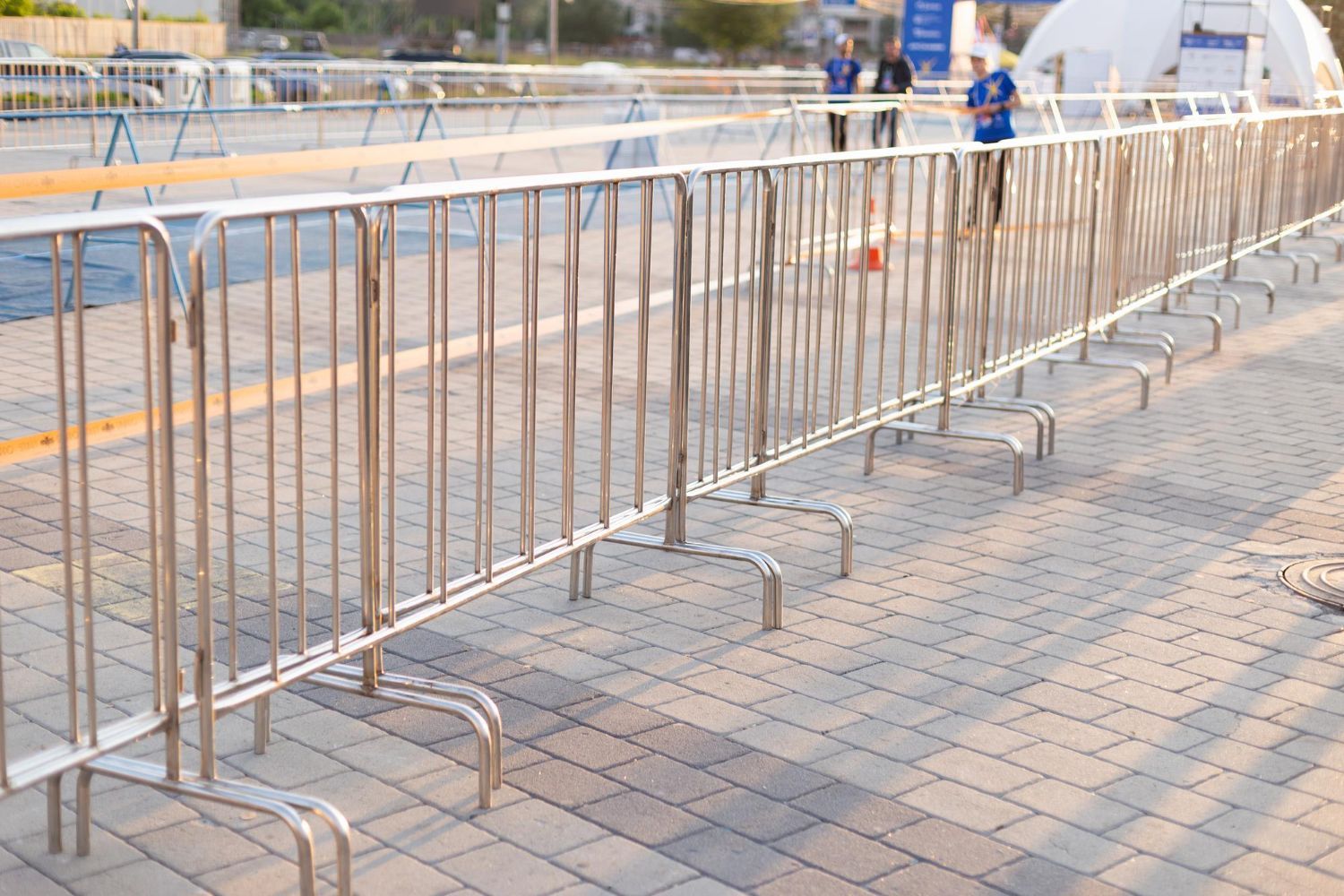
• For smaller sites or areas with foot traffic nearby, barricades or plastic fencing might do the trick. These are easier to move around and don’t take up much space, but they don’t offer much security.
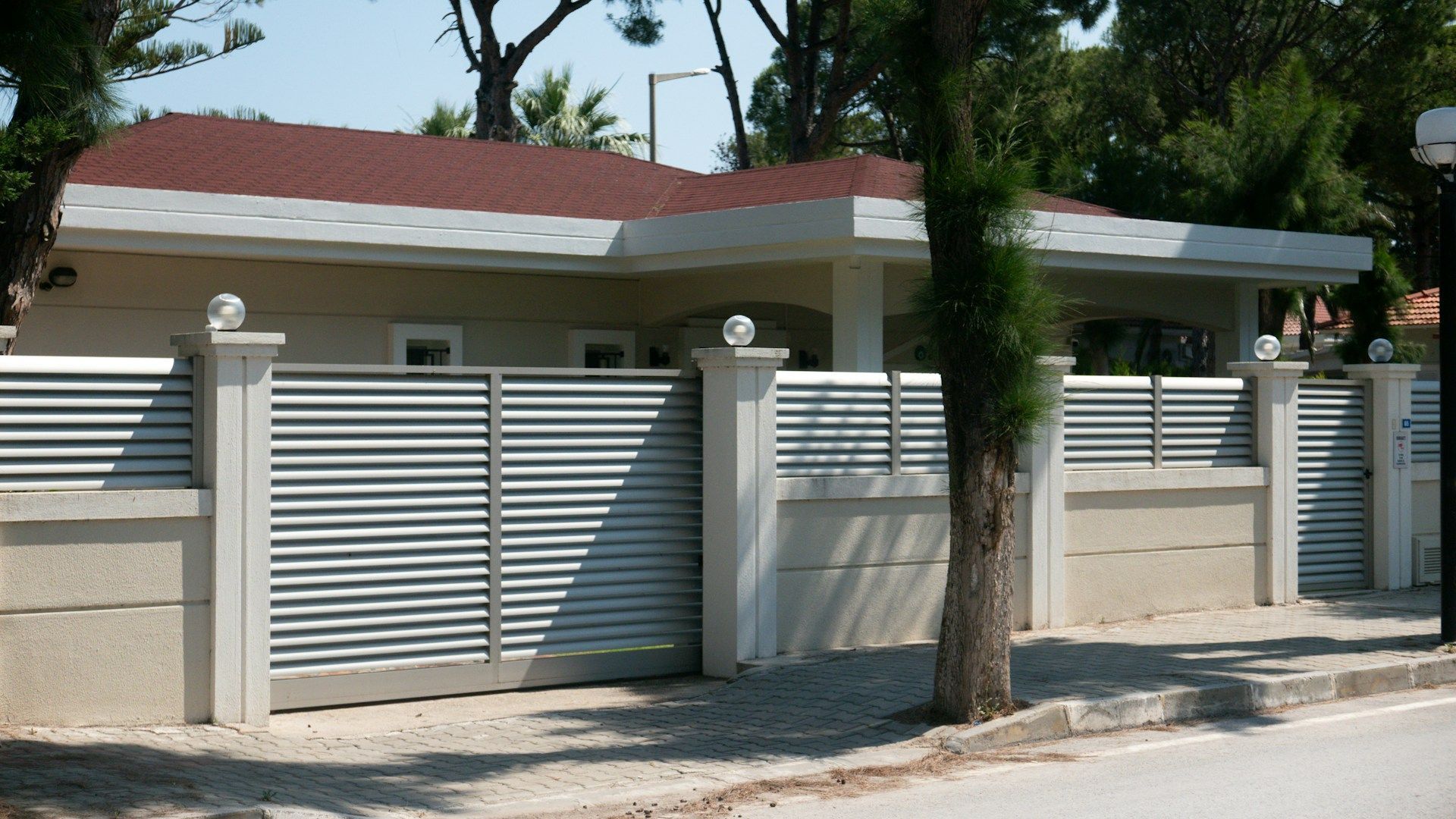
• Some job sites call for extra-tall fencing or privacy screens. These block the view from passing traffic or add a barrier in high-risk areas.
The job's location can affect your options too. Some cities have rules about height, appearance, or placement, especially near sidewalks or public roads. It helps to get those answers early on so there are no surprises later.
Planning Ahead for Placement and Setup
Once you know the type of fence that fits your job, the next step is figuring out where it should go. Placement matters more than people think. Even a few inches too far can block an access point or create safety problems.
• Walk the site from edge to edge. Look for slopes, gravel areas, or soft soil that might shift in the rain.
• Think like the crew. Look at where deliveries will come in and where dumpsters, toilets, or materials will go. Leave space for everything.
• Map clear routes for workers, forklifts, trucks, and emergency responders. Gates should be wide enough and in easy-to-reach spots.
In places like Fresno or Clovis, keep winter in mind. January often brings rain, which can leave the ground muddy or uneven. That affects where fences can stand solid without sinking or leaning. Choosing dry, level spots or adding support can save time and trouble later.
It is important to look at the overall shape of your site, not just the outside edge. Sometimes, breaking up a large site into separate secure zones helps keep valuable equipment safer. It’s smart to plan for extra panels or gates within the site for these smaller areas, especially on long-term projects.
Permits, Property Lines, and Safety Rules
Before any fencing goes up, check the site map and local rules. Cities often have clear guidelines on what can go where, and ignoring those rules can cause delays or fines.
• Start with the property lines. Make sure the fence stays inside the approved area. If you’re working near a sidewalk or neighbor’s land, give a little buffer.
• Depending on the fence height and location, you may need a permit. This is especially true for jobs near public areas or where visibility becomes a concern.
• Call before you dig. Temporary fences still need support, and any posts placed in the ground carry the risk of hitting utility lines.
Taking care of these steps early keeps your project moving. It reduces the risk of having to tear out and redo work and helps avoid any back-and-forth between inspectors and site managers.
When there are multiple contractors on-site, it helps to share fencing plans with everyone involved. Miscommunication can lead to blocked access or safety issues. Setting expectations early with all crews can prevent surprises and keep work on schedule.
Timing Matters: When and How to Rent
The right fence won’t help much if it shows up late or can’t be set up on time. That's why we always plan a few steps ahead when it comes to scheduling.
• Try to order your temporary fencing rental at least a week or two before you need it installed. That gives time to handle shipping, setup, or weather delays.
• Watch the calendar. In the Central Valley, January is often a wet month. Rain affects delivery routes, site access, and the fence's ability to stay upright. Muddy ground can push installation crews behind.
• Be flexible, especially if other crews are working nearby. Staging fencing equipment requires space. Overlapping with excavation or roofing crews can slow everyone down.
It can help to meet on-site before fencing arrives. That way, everyone gets clear on timing, access routes, and where gear will be stored. A 20-minute walk-through now can save hours on install day.
Having a backup plan for tight timelines can also help. Some sites prefer to stage fencing materials nearby if bad weather is likely to slow things down. If setup is delayed for a day or two, it’s helpful to know where panels can be stored safely without risk of theft or damage.
Keeping the Site Secure During the Job
Fences work best when they’re checked regularly. Construction sites are busy, and things shift fast. A strong fence at the start may need small fixes as weather, foot traffic, or equipment change the layout.
• Walk the fence line every few days. Look for loose panels, gaps, or signs of damage.
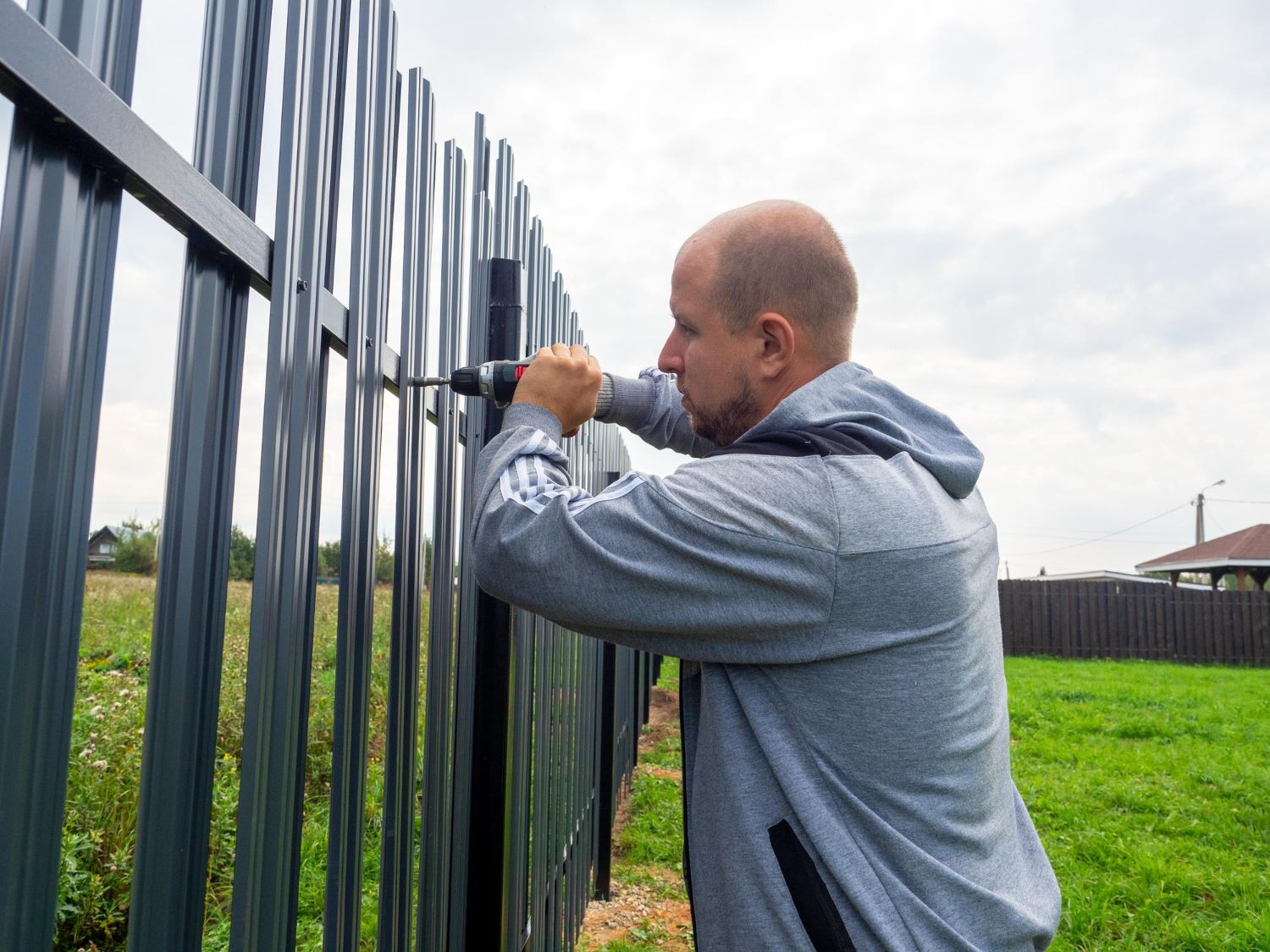
• Lock gates when the site is closed. A simple padlock or latch can keep gear and tools where they belong.
• If rain or wind is expected, double-check support points or add sandbags to base panels.
Holiday weekends or overnight jobs are when things get missed. A quick fix before the weekend keeps things secure without slowing things down when work picks back up.
If the job lasts several months, updating your fencing plan as the work changes can make life easier. What works during site clearing may not fit when foundation work begins or when equipment shifts locations. Regular check-ins with your fence provider keep the setup right for the job.
Get the Job Done Right from the Start
Planning ahead for fencing does not take long, but it makes a difference. Every job benefits from clear site boundaries, safe walkways, and solid equipment protection. Whether you’re working in wet weather or tight city zones, taking the time to map things out pays off.
Good fences do not build themselves. They start with a solid plan, the right materials, and attention to how each part of the site fits together. From a quick cleanup job to a months-long build, a safe site starts with smart, careful steps. At California Commercial Fence, we are here to help you think it through and get the job moving.
At California Commercial Fence, we understand the importance of keeping construction sites safe and projects on track throughout the year. Wet winters in the Central Valley can make timely installation important before the ground becomes too soft. The right
temporary fencing rental can help make sure your new job site is safe and ready for work when you are. Contact us today to discuss your site and let our team help you plan ahead for an on-schedule start.