Guide to Effective Fencing Solutions for California Farms
Spring's not far off here in California’s Central Valley, and before the season gets too busy, it’s a good time to check over the fences that help keep everything on the farm running smoothly. Whether we’re keeping livestock in place, marking property lines, or protecting crops, fencing tends to quietly do a lot of the behind-the-scenes work. But like anything on the farm, if it’s not built to match the weather or land, it can fall short right when we need it most.
Farm and agricultural fencing isn’t a one-size-fits-all situation. What works for goats in a pasture probably won’t work for a produce field or around irrigation. That’s why taking a little time now to review the types of fences out there and how they hold up in our conditions can save us from problems later. This guide walks through the most common materials, smart placement tips, and what to watch for when fences start to wear out.
Choosing Fence Types That Work for California Farms
Not all fences are built the same, and not every fence works well in the Central Valley’s dry air, strong sun, and occasional gusty winds. The best type for each farm depends on what we’re trying to protect.
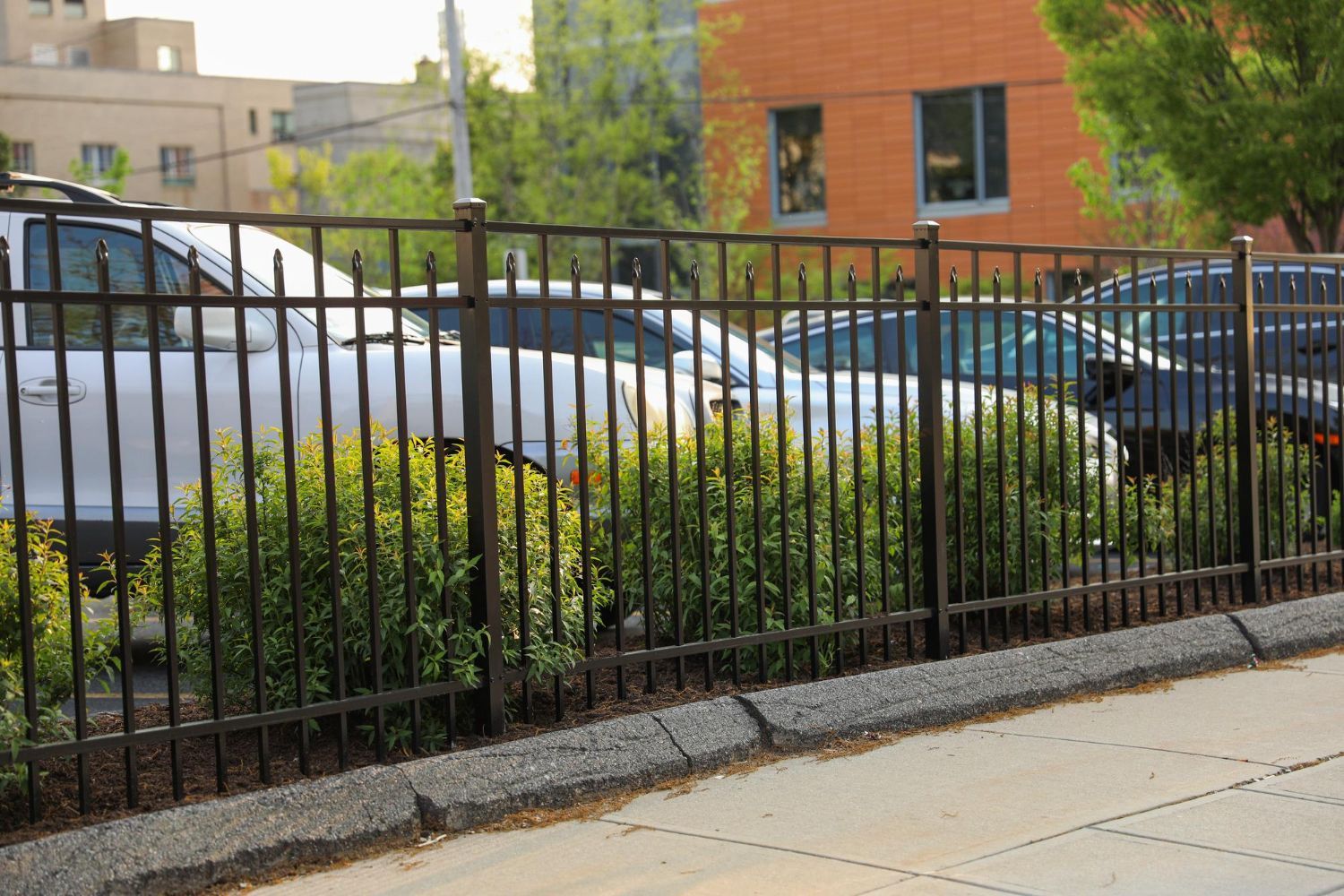
- Wood fencing is classic and strong, often used around livestock pens and small enclosures. But in our hot summers, it needs upkeep or it’ll warp and crack.
- Barbed wire is a go-to for wide pastures or cattle fencing. It's cost-effective and does the job for keeping livestock where they belong.
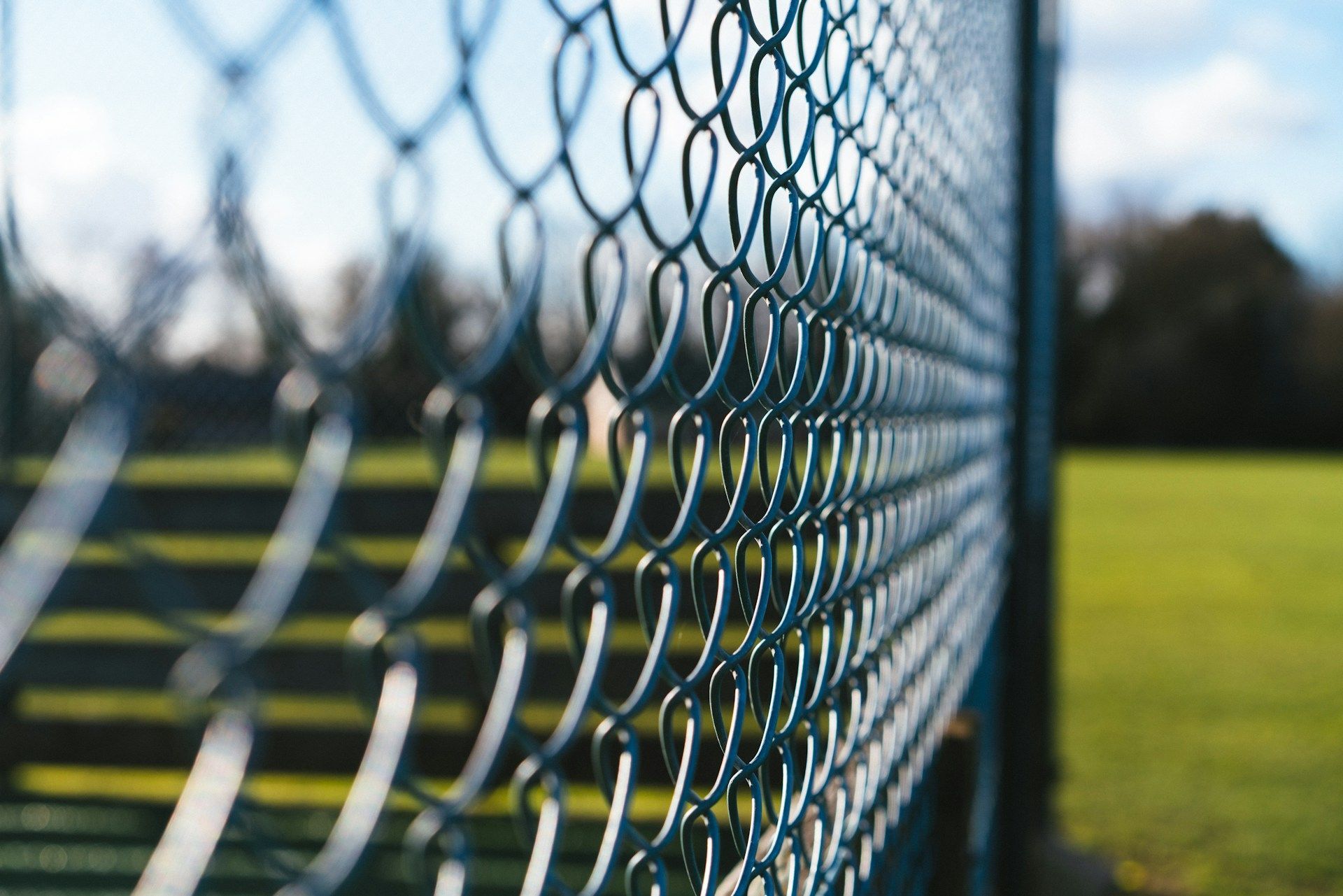
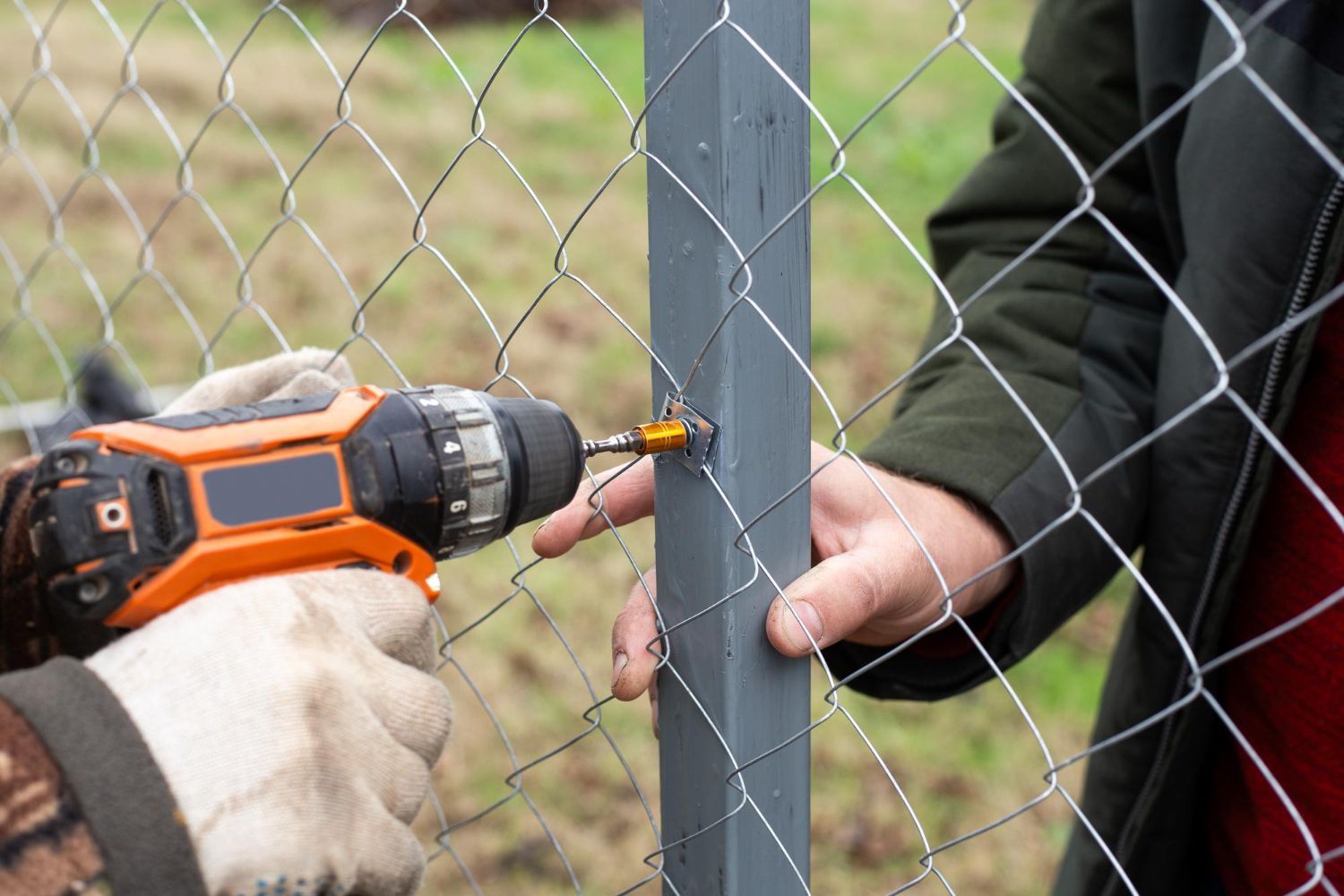
- Chain link lasts a long time and works well for storage areas or machines, though it might not fit every layout.
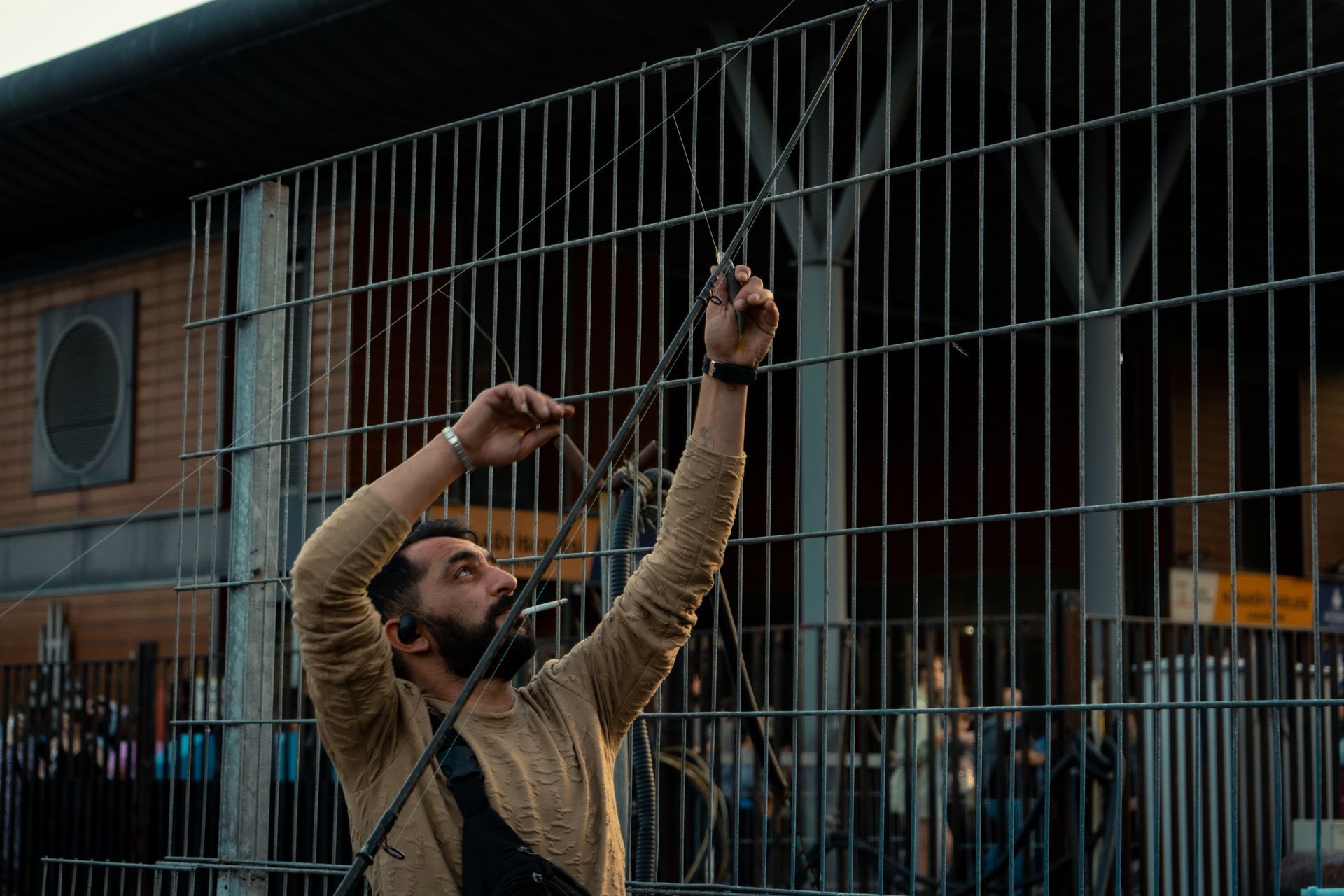
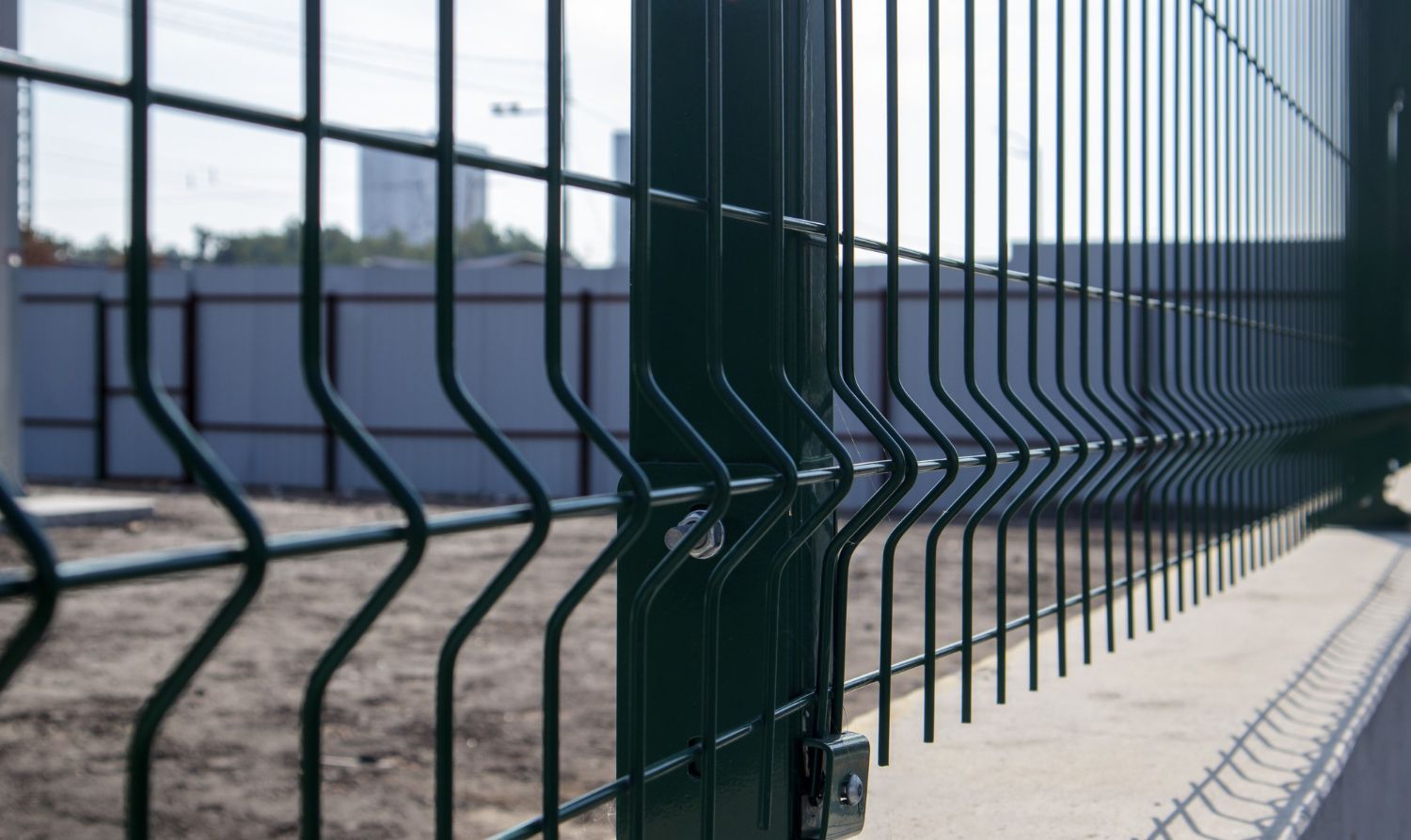
- Welded wire is solid for gardens, small animal pens, or spots where we don’t want gaps but still want visibility.
The key is matching each fence to the function. If the goal is to keep animals in, durability matters more than looks. For crop areas, the focus shifts to keeping wildlife out without blocking needed airflow or light. And some fences handle weather better than others. Materials with coatings or painted finishes tend to stand up better to our Valley sunshine and long dry patches.
No matter which type you choose, it's important to think about maintenance from the beginning. Periodic checks for wear and tear can help you catch issues before they become serious. Additionally, using high-quality fasteners and fittings on every section of the fence will improve longevity, ensuring your investment is protected for many seasons to come.
Planning Placement Around Land Use and Layout
Every farm has its own setup, but many of us run into the same questions when it’s time to plan out fencing placement. Where do the animals roam? Where’s the equipment stored? How do workers get from field to field without disturbing crops? All of these shape how fences are laid out.
- Start with key areas like pastures, machinery sheds, irrigation paths, and the property boundary.
- Map out the flow of daily work. Think about how gear moves in and out, where foot traffic goes, and how animals are guided.
- Leave room for changes down the line so we don’t end up digging up posts to adjust later.
If there are gates, they should match how the work actually happens. That might mean wide gates near barns and narrower paths by fields. We’ve found that laying out fences around how we use the land, not just where the lines fall, makes every day easier.
Good planning for placement isn’t just about traffic patterns but also about safety and convenience. It's wise to consider the accessibility of each area year-round, leaving enough clearance for repairing or replacing fence sections when necessary. Also, identifying potential problem spots like low-lying areas that could collect water can help you place fencing where it is least likely to be damaged or moved by shifting ground.
Dealing with Local Weather and Wear
Fencing has a hard job in Central California. Summers bring long weeks of dry heat, and spring sometimes tosses in windstorms or unexpected rain. That mix of weather puts stress on materials, especially if they weren’t chosen with the climate in mind.
Constant sunlight can dry out wood, fade coatings, and cause sagging over time. In areas with shifting soil or slight slope, parts of the fence might lean or start to pull apart if not secured well. Taking time in the spring to walk the fence line gives us a chance to spot early problems.
- Look for rust on metal or frayed spots in wire.
- Check anchor posts to make sure they haven’t shifted in soft or dry ground.
- Keep basic fencing maps or zone notes, so tracking problems season after season gets easier.
An added challenge comes with changing weather patterns from year to year. After intense rainfall, the ground can shift or become unstable, making posts loose if not firmly set. During drought, overly dry earth can crack and pull away from the base of posts. By recognizing these patterns, we can anticipate vulnerable spots and act before significant repairs are needed.
Planning for seasonal changes helps with repairs too. Heat can make materials expand or loosen connections. Knowing where those weak points are lets us fix small things before they turn into bigger issues later.
Regular inspections and immediate cleanup after storms are simple habits that yield valuable results. Replacing damaged parts promptly keeps the rest of the fence strong, and keeping vegetation trimmed back prevents pests from damaging wood and wire.
Knowing When It’s Time for Repairs or Upgrades
No matter how well a fence is built, time takes its toll. A fence that used to do the job might start showing signs it’s ready to be fixed or even replaced. We’ve learned to keep an eye out for anything that could pose a risk to animals, equipment, or workers.
- Gaps in fencing where animals could squeeze through
- Missing staples, loose wires, or leaning posts
- Visible signs of rust, rot, or chewing from livestock
Sometimes, patching one spot works fine. But if multiple sections fail or repairs keep stacking up, it's smarter to think long-term and upgrade. Newer materials or better layouts can save us from repeating the same repairs next season. Swapping one section at a time can help spread out the work without slowing down farm operations.
Addressing repairs also means planning for the future. By keeping track of repair dates and materials used, you'll spot patterns and know where your fencing tends to wear out the fastest. Using this knowledge, you can schedule incremental upgrades or budget for better materials. Adjusting layout as you replace old fencing might make operations smoother in the long run.
Strong Fences Build Safer Operations
When fences are where they should be and holding up the way they’re supposed to, everything around the farm flows better. The animals stay where they’re safe, equipment stays put, and workers move more confidently through each part of the property. Fewer breakdowns mean fewer surprises, and fewer surprises mean smoother days.
Spring always brings a long list of things to handle, but fencing deserves a spot near the top. Putting the right materials in the right place, shaped by how we actually use the land, is a smart way to set the tone for the season. Every good fence we build now pays us back when things get busier, so we can spend more time working and less time fixing what's already been covered.
A sturdy, well-maintained fence is an investment in the daily safety and efficiency of your farm. Prioritizing maintenance, thoughtful placement, and quality materials makes a noticeable difference not just in how your property looks but, more importantly, in how well everything works together. Planning ahead and keeping up with repairs is the surest way to ensure your fencing won't let you down when it's needed most.
Ensure your farm's fences are as strong and dependable as the operations they protect. With solutions specifically designed to withstand the diverse challenges of California's Central Valley, California Commercial Fence is here to guide you in making the right choice for your land. Explore how our
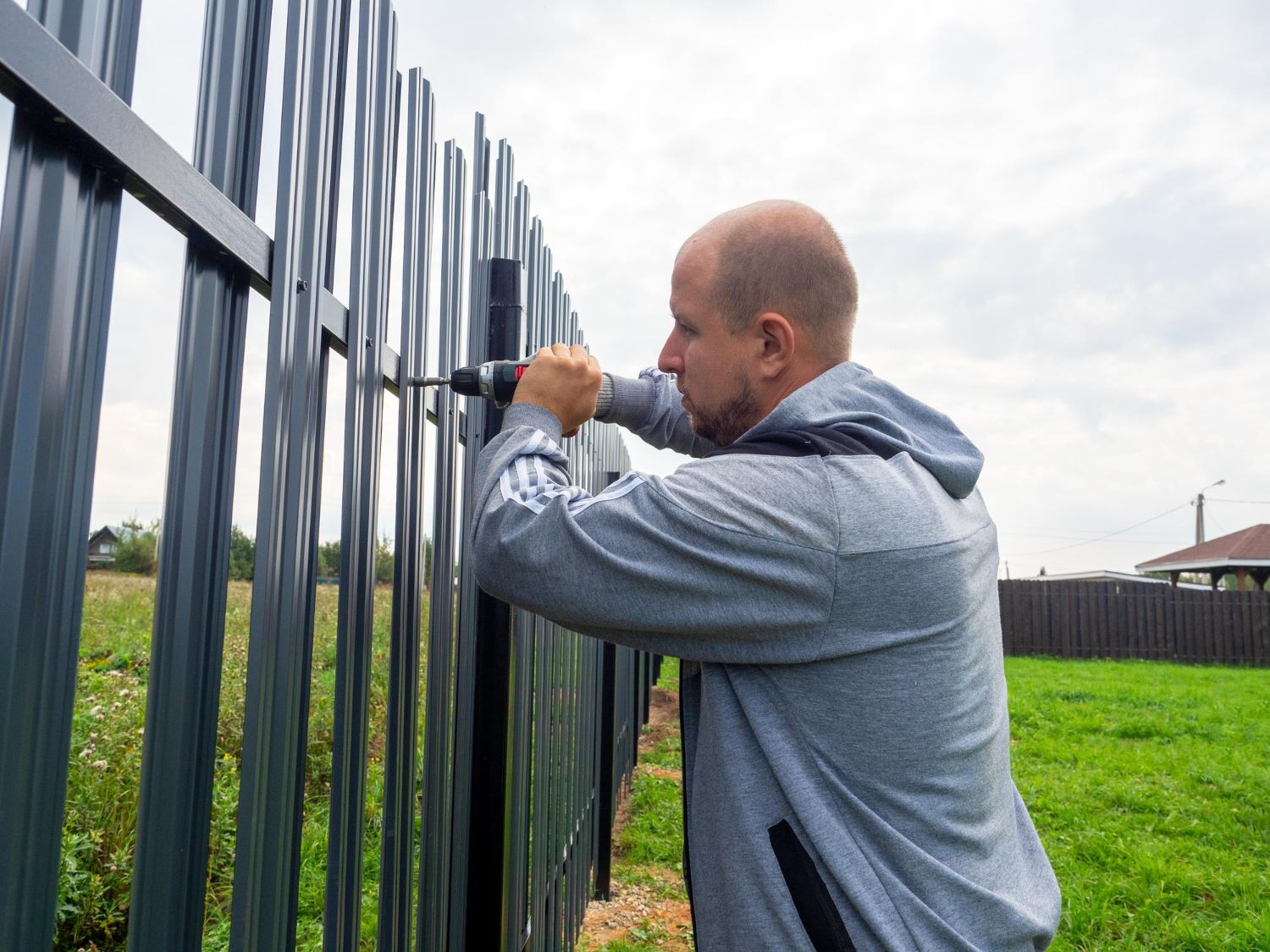
commercial fence installation services can enhance the functionality and safety of your farm. Let's safeguard your livelihood with fences built to last.