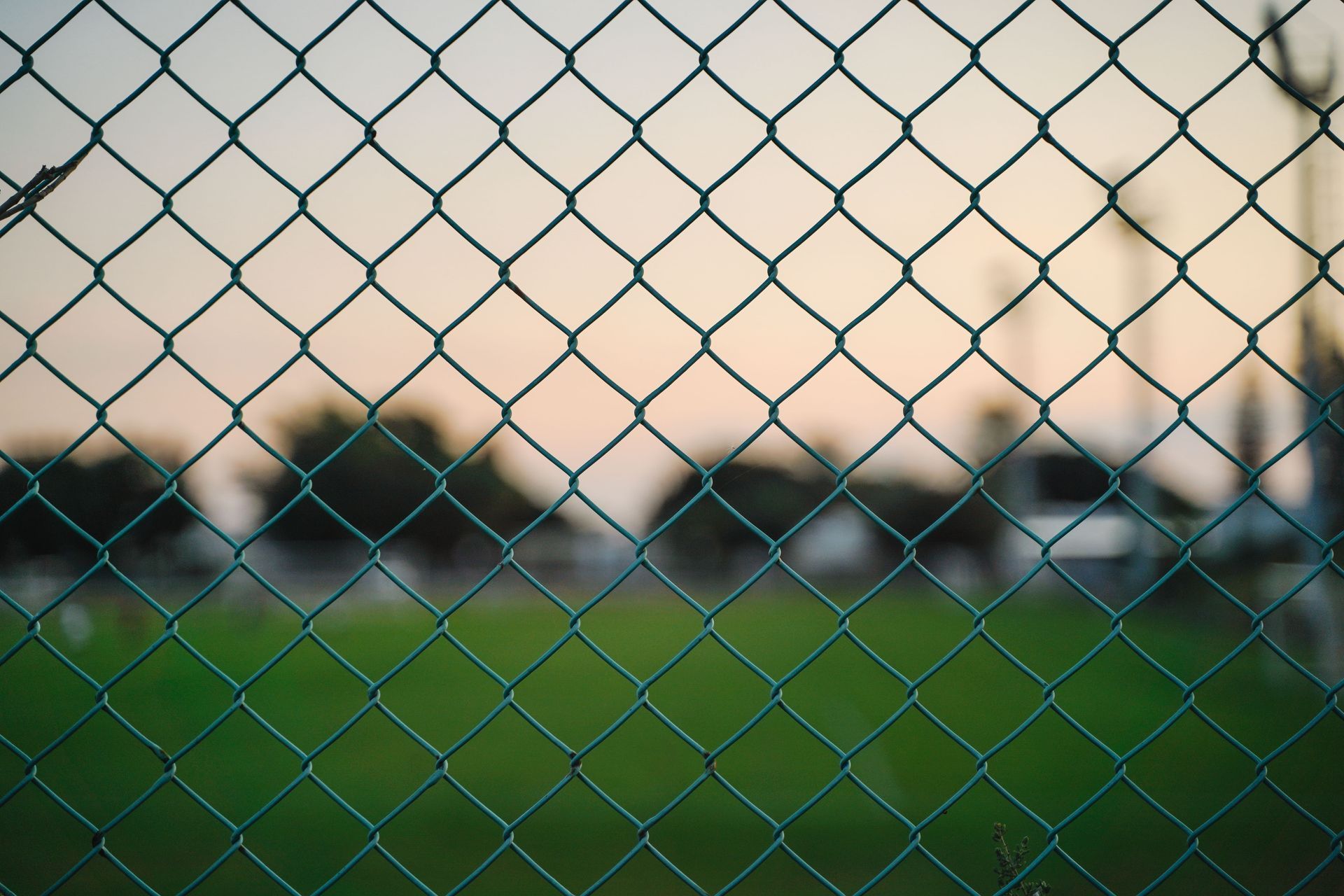
How HVAC Enclosures Can Improve Site Safety
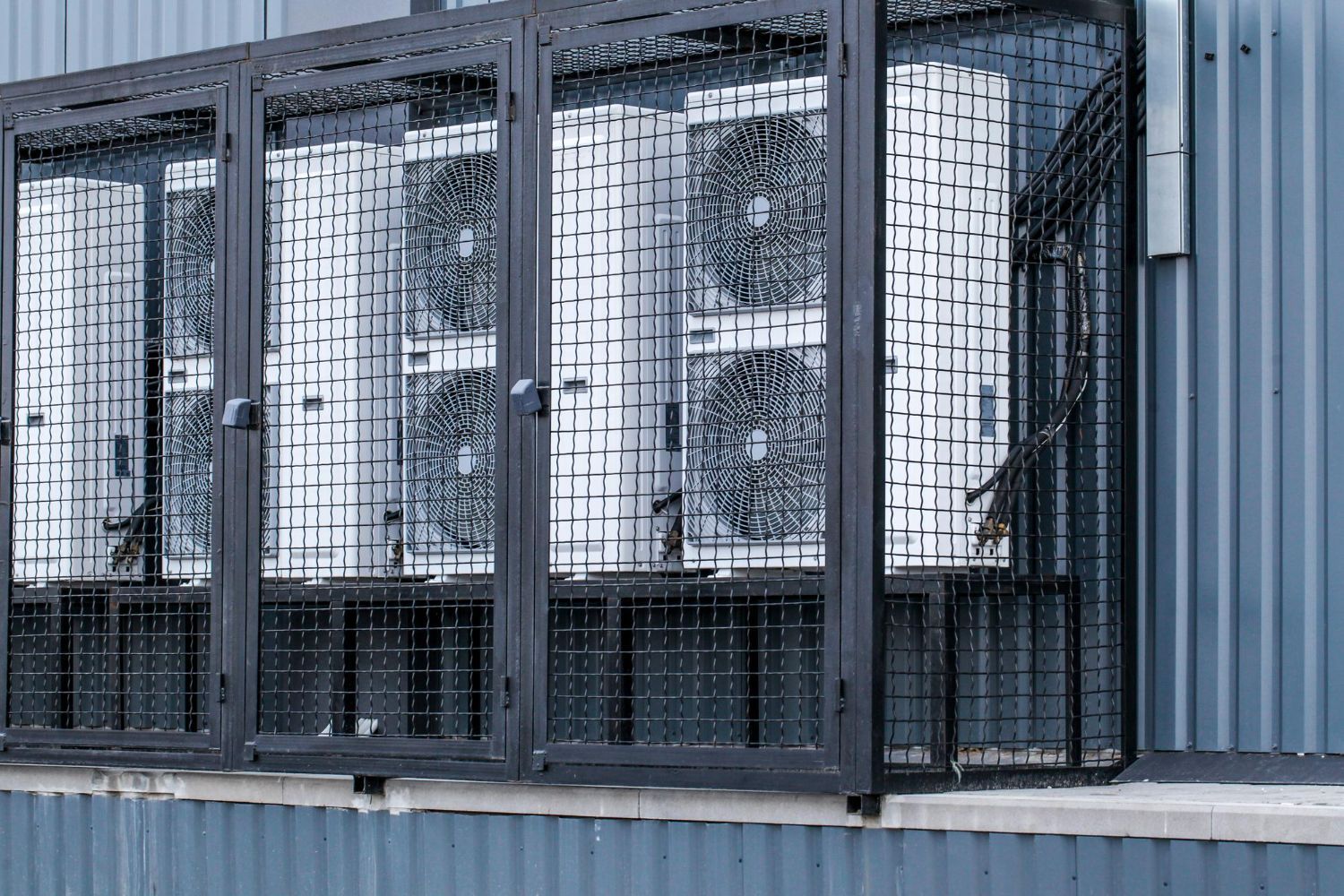
On a busy job site, even the simplest equipment can become a safety problem if it's left exposed. HVAC units are one common example. These large outdoor systems do important work, keeping buildings comfortable. But with all their moving parts and wiring, they can be a risk if not properly covered. That's where HVAC enclosures come in. By surrounding these systems with a protective barrier, we lower the chance of accidents and keep things running more smoothly. The idea is simple, keep people and equipment safe by giving HVAC units their own secure space. This solution is important whether you're running a long-term commercial site or dealing with short-term projects that demand safety from the start.
Keeping Workers and Visitors Safe
It’s easy for outdoor HVAC units to get in the way or go unnoticed until someone trips, backs into them, or, worse, gets hurt. These setups often sit close to walkways, drive paths, or work zones, especially on tight, active sites like schools, warehouses, or public buildings.
Here’s how adding enclosures makes a difference:
- First, they help mark off the area. This lets workers know to stay clear and makes risky spots more obvious, even from a distance.
- Next, they limit physical access. Enclosures act as a strong reminder that this equipment isn’t something to tinker with or lean against.
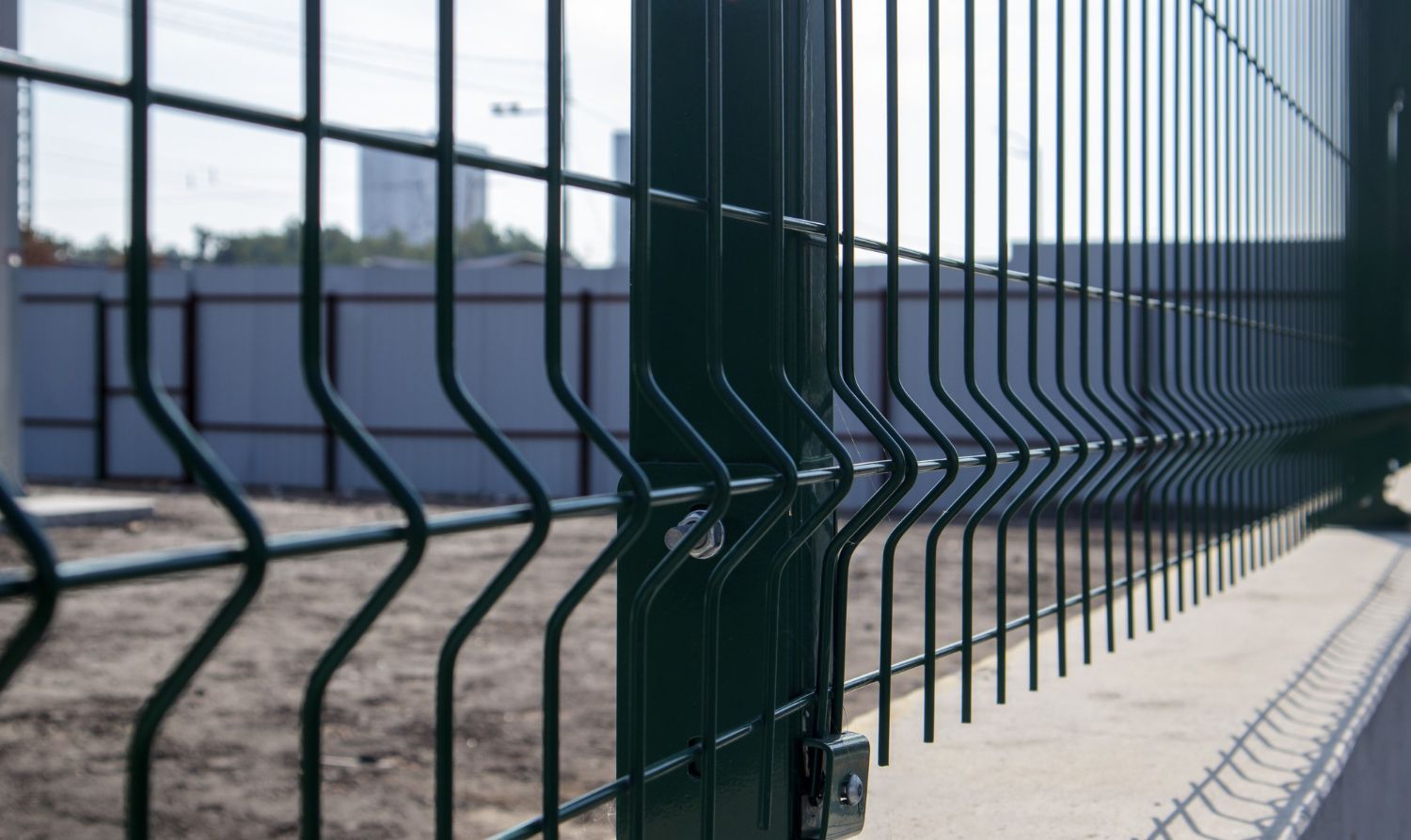
Boundaries are helpful for workers, but they’re just as important for guests or curious kids who might wander through the area. Clear fences send a message, it’s not a place to play or explore. Keeping everyone out of potential danger takes more than good signage. A physical barrier does the job with less guesswork.
Sometimes, during busy times of day when vehicles and foot traffic are both moving through job sites, having an enclosure can prevent small oversights from becoming bigger accidents. For new workers or subcontractors who might be unfamiliar with the site layout, these barriers serve as an unmistakable alert, creating safer habits from day one. Over time, a culture of caution develops, making accidents less likely for everyone on site.
Preventing Damage and Downtime
Weather in Central California can shift quickly around this time of year. Early April often brings strong sun, occasional dust, and steady spring winds. For outdoor HVAC units, these conditions are tough over time. If units are left uncovered, they’re more likely to be damaged by flying debris, built-up grime, or accidental hits from tools and vehicles.
HVAC enclosures help reduce that wear and tear:
- They block or slow down the winds that carry dust or small branches
- They deflect light impacts from carts, tools, or falling objects
- They lessen the risk of tampering or curious hands pulling at exposed wires
When we keep equipment protected, it lasts longer and performs better. That means fewer emergency repairs and less interruption to daily site work. Any time spent fixing or replacing damaged HVAC units is time taken from something else. A small, well-placed structure around them can cut down on that headache.
Beyond just immediate damage, ongoing exposure leads to gradual decline in performance for HVAC systems. Over months and years, dust and debris build up on coils or internal components, decreasing energy efficiency and raising costs. Having an enclosure acts as a buffer, reducing the amount of maintenance needed throughout the year. Even if only a minor repair is required, a protected unit is less likely to have deep-rooted or recurring issues, freeing up the maintenance crew for more urgent tasks elsewhere.
Additionally, enclosures offer another layer of security against vandalism or theft, which can be a concern at sites without round-the-clock staff. A covered or fenced system is far less inviting to someone passing by after hours. This quiet protection helps prevent unexpected expenses and keeps projects running on track.
Supporting Organized Worksites
Good work happens faster when everything has a place. On construction sites, crowded public spaces, or high-traffic service areas, clutter can lead to problems. HVAC units left out in the open don’t just take up room, they draw traffic where it doesn’t belong. That slows work, adds confusion, or even causes accidents when paths get blocked.
Putting in an enclosure helps with site planning in more ways than one:
- It defines the space taken up by the equipment
- It keeps maintenance zones neat and organized
- It clears up walking paths by removing unnecessary obstacles
Sites with better flow are easier to manage. When it’s clear where things go, and where people shouldn’t be, more gets done with less risk. Enclosing HVAC units supports that goal and keeps the rest of the site focused on the task at hand.
Establishing these boundaries encourages tidiness overall. Crews learn to respect enclosure lines, stacking materials and storing tools in dedicated spaces, which speeds up daily routines. Structured sites are easier to inspect too, as obstacles are kept clear from emergency routes and regular pathways. In the long run, this keeps inspectors satisfied and helps avoid fines or project delays.
Organized sites support clear communication as well. It’s simpler to give instructions and expect them to be followed when zones are marked and maintained. On busy job days, crew members can easily identify where repairs are needed, where deliveries should drop off supplies, or where vehicles should avoid parking.
Built for Different Needs and Layouts
Not every site looks the same. Some are tight on space, others sit wide open on large lots. Some need more airflow, while others need better protection from traffic or wind. That’s why there’s no one-size-fits-all solution for HVAC enclosures.
Options vary depending on what matters most:
- Smaller fenced setups that don’t block access but improve safety
- Heavier-duty enclosures for high-traffic or remote locations
- Materials that stand up well in dry, windy Central Valley weather
We work with all kinds of setups, from commercial buildings to larger infrastructure sites. What matters most is planning the enclosure around the actual needs of the location. It should fit in with the layout, without creating new obstacles or slowing down daily tasks.
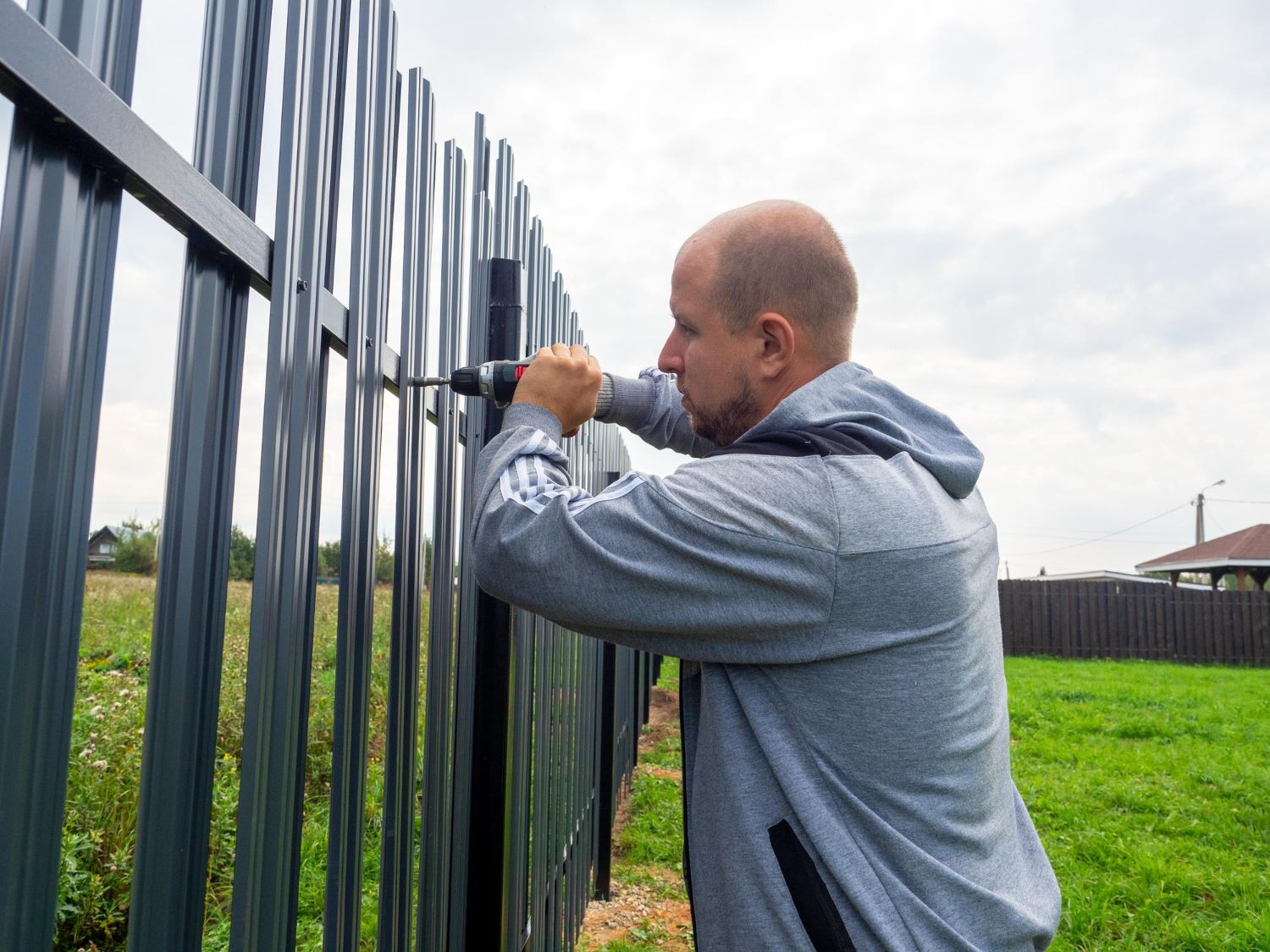
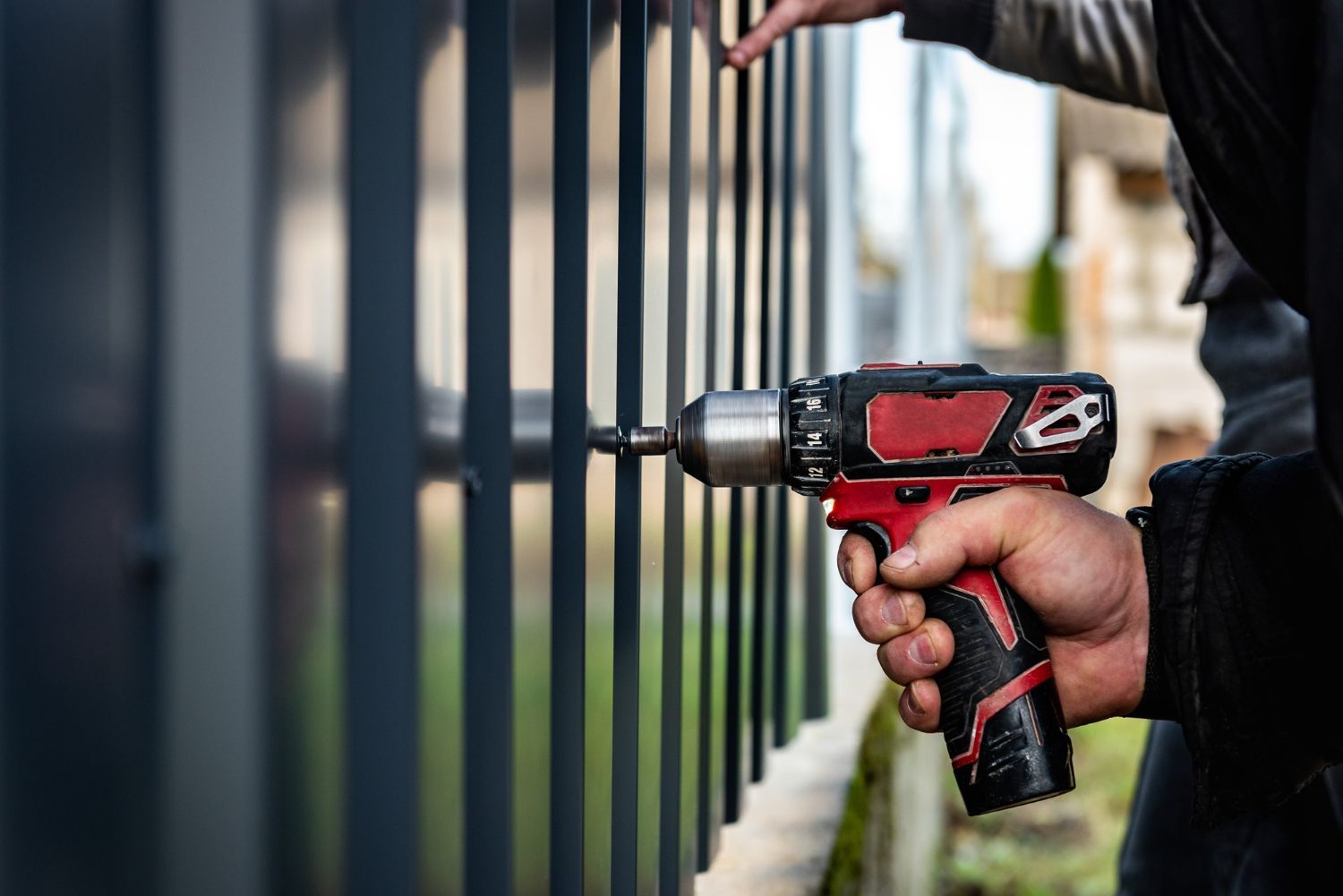
Sometimes, an enclosure must be custom-designed for a complex building footprint or to work with landscaping already in place. For instance, sloped ground or odd-shaped corners might require additional posts or anchoring points. Factoring in these layout challenges from the start makes installation smoother and ensures performance over time.
Additionally, when planning for enclosures, it’s important to consider future changes to the site. If more equipment will be added later, a modular or expanded design could make sense. Many barrier systems allow for panels to be added or adjusted, making it possible to accommodate new HVAC units or changing layouts without starting over from scratch.
Ventilation is another factor: Fencing designs can be chosen to allow for maximum airflow, preventing unnecessary heat buildup while still offering impact protection. Clever material choices keep equipment cool and functioning properly, even through the hottest periods of the year.
A Safer Site Starts with Smart Choices
Keeping HVAC equipment protected might seem like a small upgrade, but it can change how a whole site functions. Fewer accidents, clearer boundaries, and less damage all add up to a smoother flow of work. HVAC enclosures play a role in that, offering an extra safety layer without much fuss.
As spring moves forward and the days keep getting warmer across Central California, it’s a good time to think ahead. Dust, wind, and activity levels tend to pick up over the next few months. A simple enclosure may be the thing that prevents your next unwanted surprise. When safety is planned for early, everything down the line tends to run just a little bit better.
Putting safety first this spring means choosing the right barrier for exposed HVAC units, especially on busy Central California sites where wind and dust are common challenges. Our team understands the need for strong, reliable fencing that maintains long-term safety with minimal disruption. Explore the advantages different barriers offer and review our options for
HVAC enclosures. Reach out to California Commercial Fence to discuss the best fit for your location.