Ensuring Effective Commercial Fence Installation Steps
When it comes to protecting a business, where and how the fencing is installed matters a lot. A sturdy fence can help manage who comes in, protect property, and give a business the smooth look it deserves. But commercial fence installation isn’t something you want to rush or guess through. There are important steps that should be followed to make sure the job is done right from start to finish.
We’ve walked through the process plenty of times, and over the years we’ve learned that the best results come from taking the time to plan, review the space, and handle every part with care. From choosing the type of fence to the final gate swing, each step counts. Here’s how we like to approach it in a way that works well no matter what type of business or property you’re working with.
Planning for the Right Fence
Before anything goes in the ground, we make sure we fully understand what the fence is for. There’s no one-size-fits-all answer here since different fences solve different problems.
- If a business needs more privacy, a taller setup with a solid design might make the most sense.
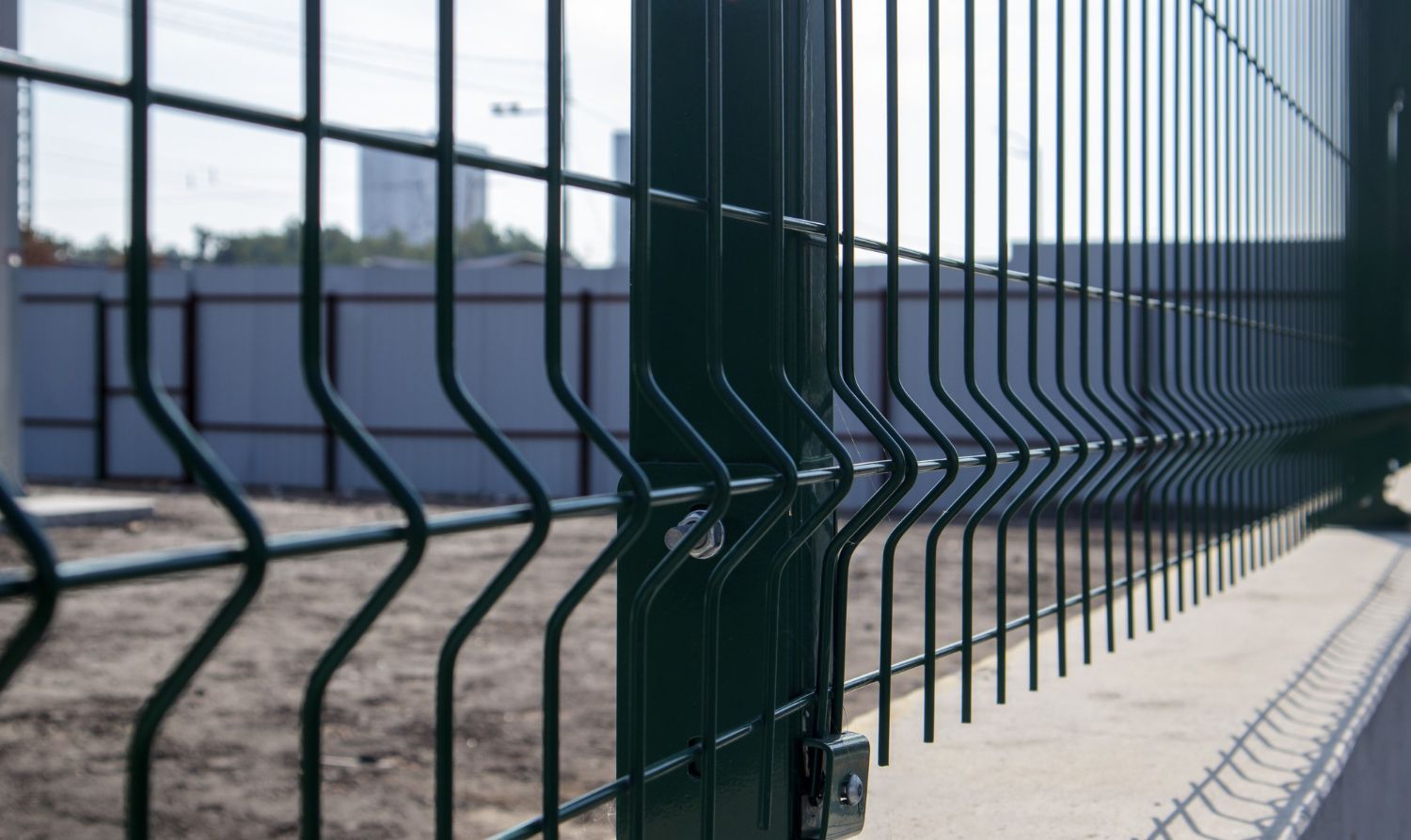
- For security, tighter spacing, strong locks, and fewer gaps are usually the right call.
- Farm and open-area properties might need fences that keep animals in while standing up to shifting soil.
The climate around Fresno, California, and Clovis, California, plays a role in this too. Hot summers mean sun exposure needs to be considered, and dry spells can impact how the ground changes over time. Wind also comes into play when it blows hard across open spaces. That’s why the material and style of the fence often depend on more than just looks. Choosing the right type now helps avoid problems later.
We always suggest talking through those early decisions with a professional. With the right questions and a quick walkthrough, we can usually help match what someone wants with what their site actually needs.
Working Around the Property
Once we know what needs to be built, we figure out where and how it fits. Every site is a little different, which is why a walk-through is part of our process. We measure slopes, review access points, and note anything that could get in the way of the posts or gates.
- We make sure property lines line up with where the fence will go.
- Permits, local rules, and any hidden utilities need to be handled before digging starts.
- It’s smart to consider how trucks, deliveries, or workers move around the site, so driveways and walkways are clear.
That upfront work makes a big difference. Without it, fences can end up crooked, blocked, or even on the wrong side of the property line. And fixing those problems after the fact can take time or even undo work that’s already been done. So it’s better to invest in a full site review before bringing out the materials.
Choosing a Fence Style That Works
After planning and measuring, the next step is picking the fence itself. There are lots of choices:
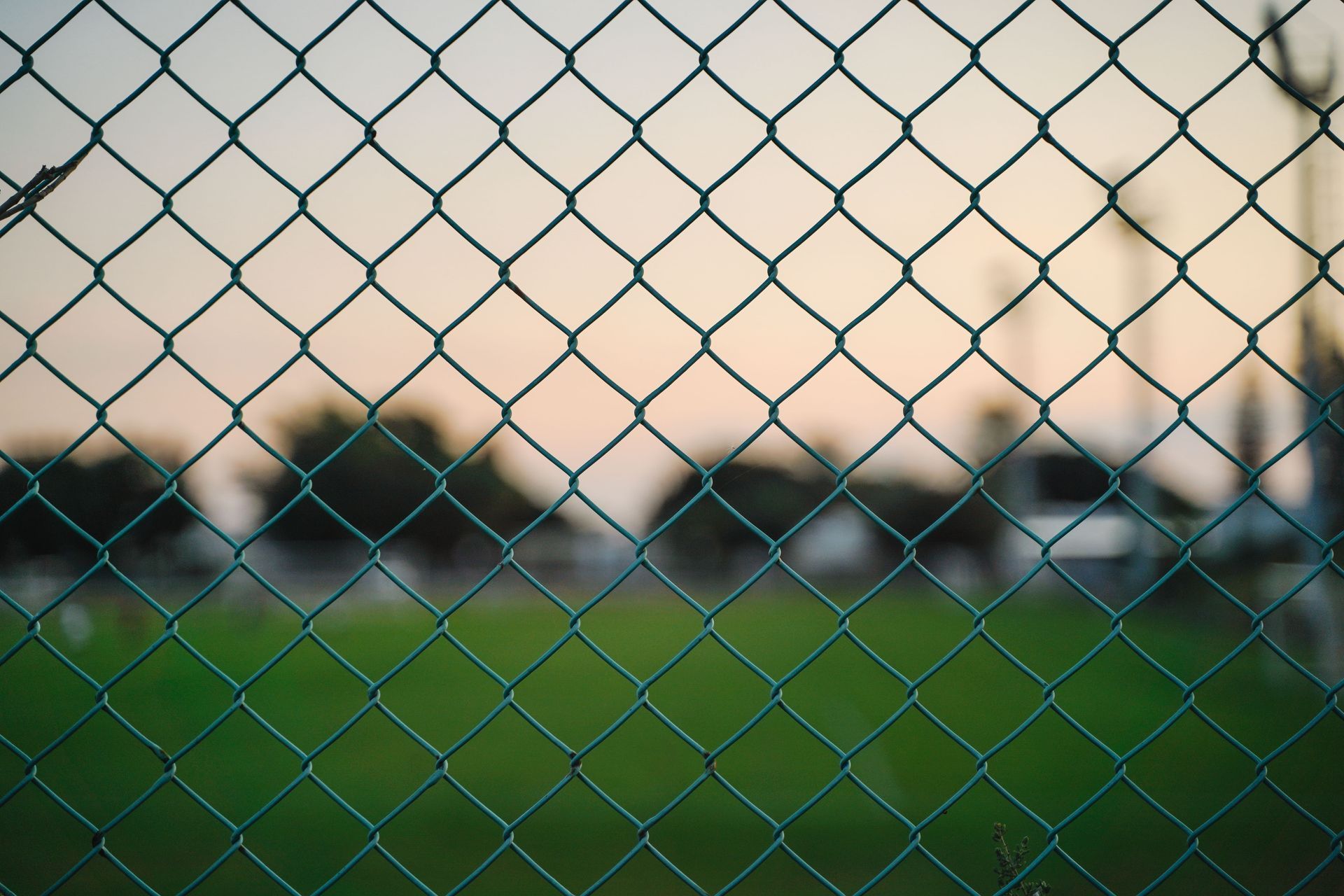
- Chain link fencing is often used for businesses that need a boundary but still want visibility.
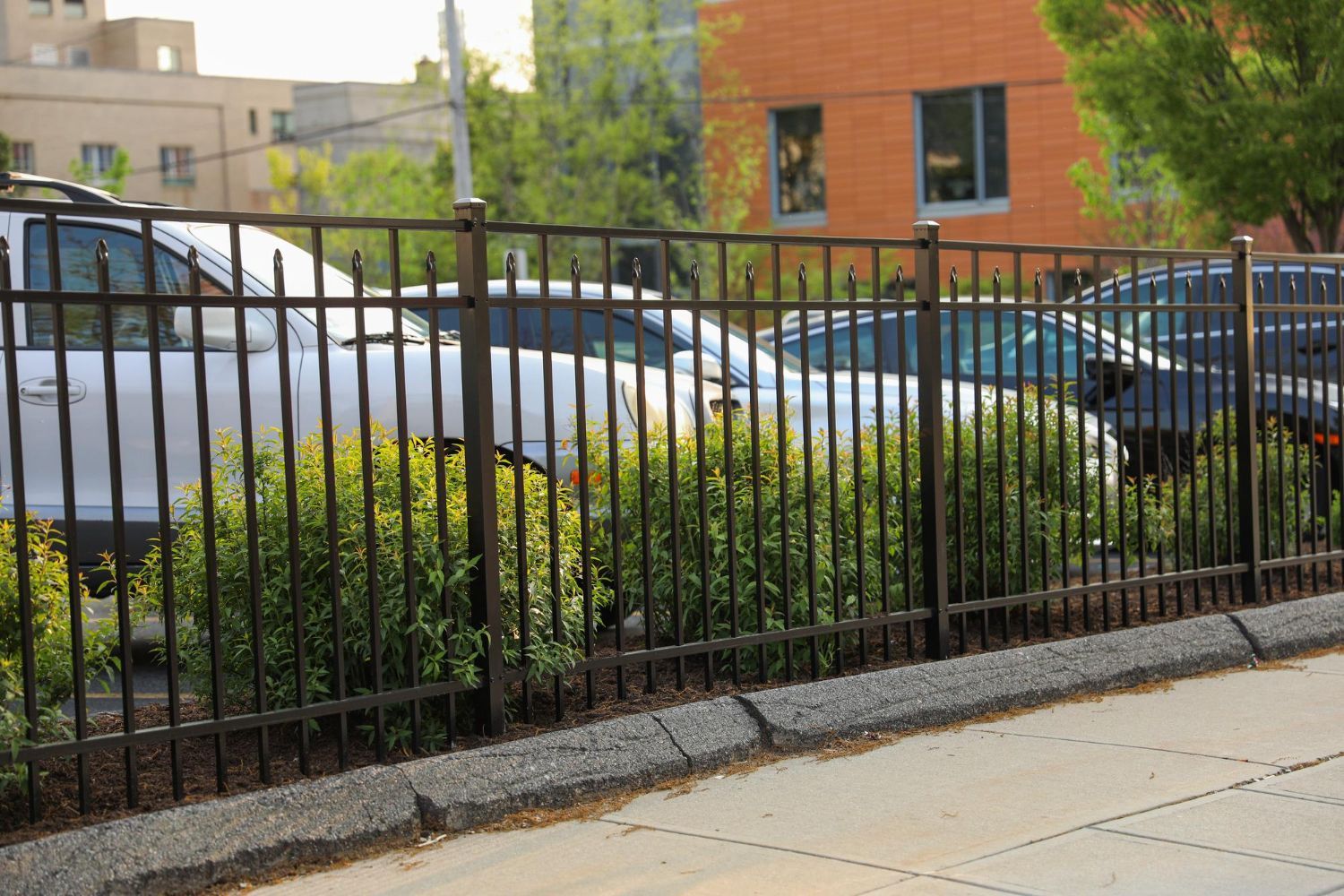
- Wrought iron adds strength and a more finished look, great for entry areas or formal setups.
- Farm fencing works well for open land or agricultural properties, offering security without closing everything off.
What we keep top of mind is how the material interacts with Central Valley weather. That summer sun hits hard, and certain coatings make a big difference when it comes to fading, rust, or buckling. For sites that face strong winds, the post depth and design help hold everything steady. For more humid spots, we often recommend options that handle moisture without breaking down early.
Every fence also needs to match the business. Whether it’s tucked behind a warehouse or out front near a storefront, the style and size impact how visitors and workers experience the space.
Professional Installation That Holds Up
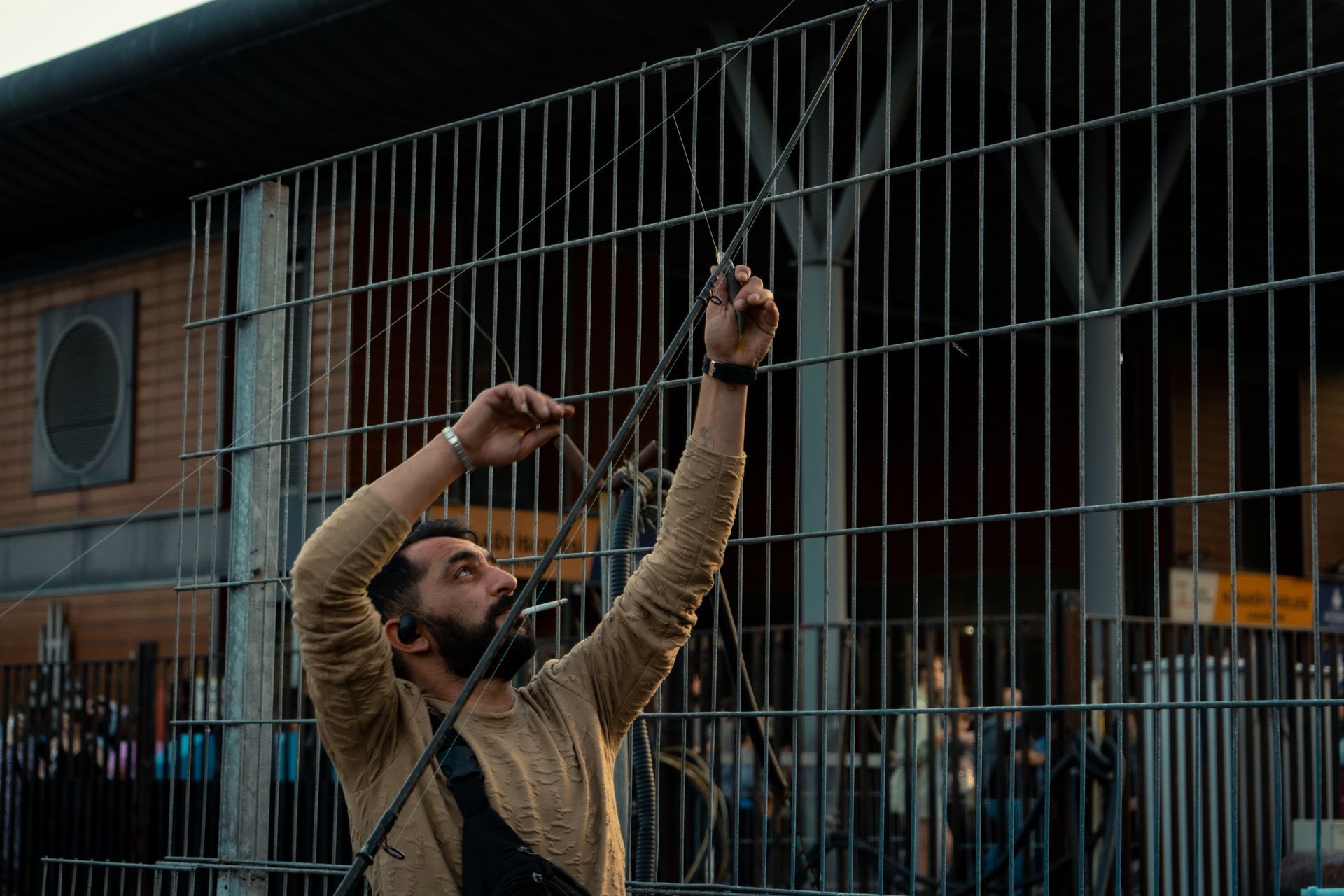
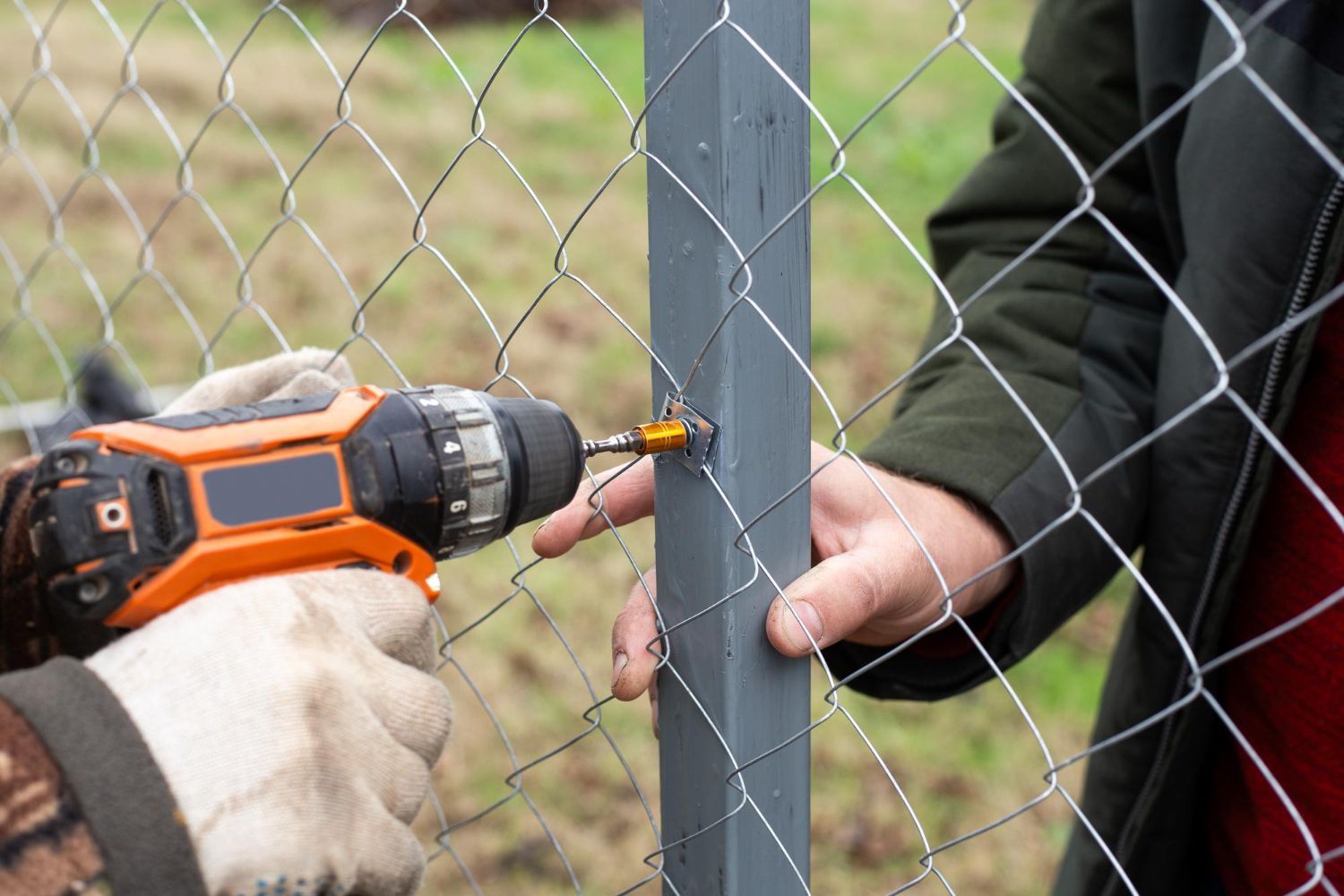
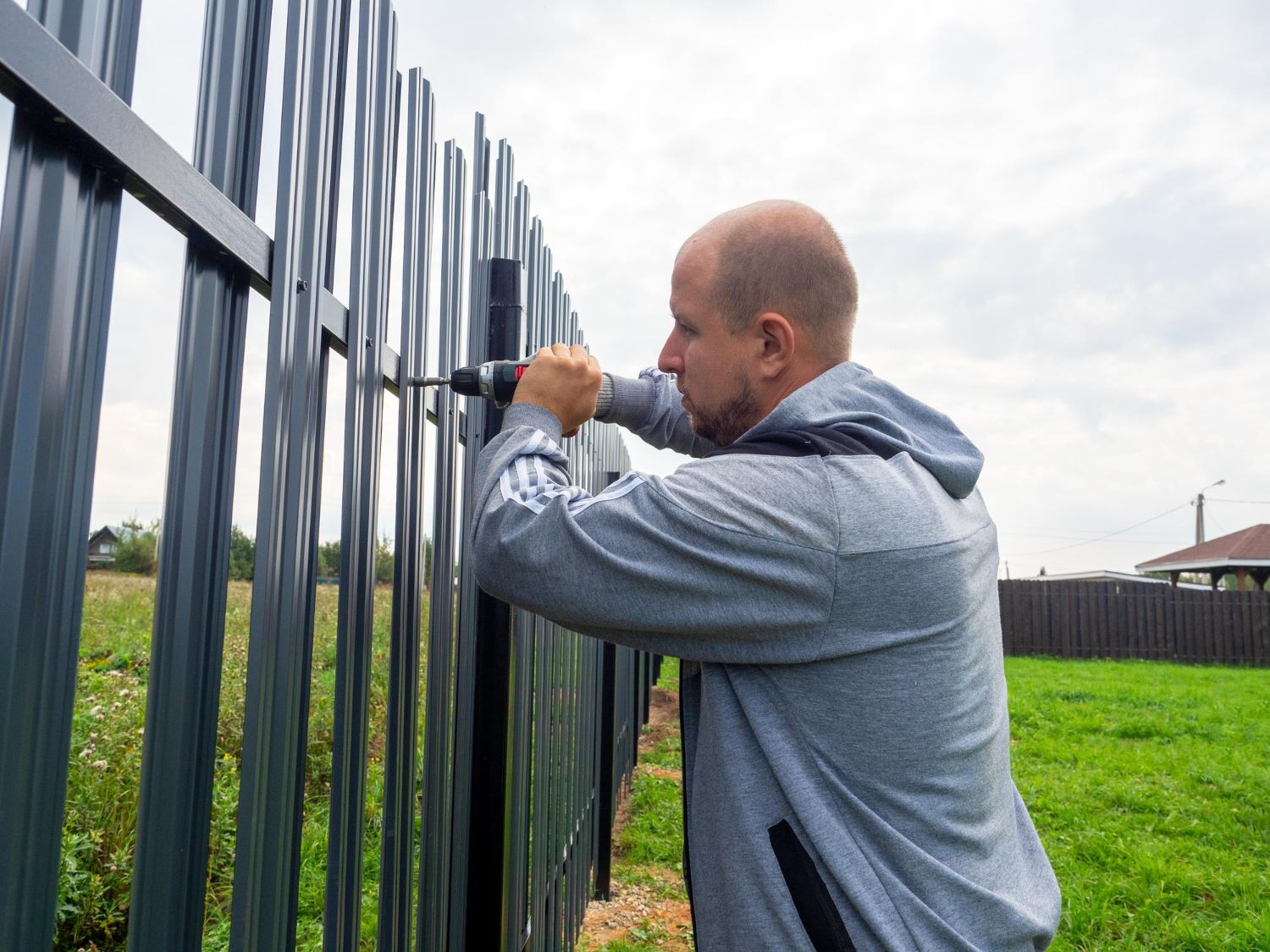
The way a fence is installed often determines how long it lasts. Even the strongest fence won’t hold up if a post shifts or a gate hangs unevenly. We pay close attention to the basics that support the entire structure.
- Posts need to be set deep and properly sealed to prevent tilting and sinking.
- Gates should hang straight, swing cleanly, and latch tight every time.
- Lines must be level and consistent, making the fence strong and clean-looking too.
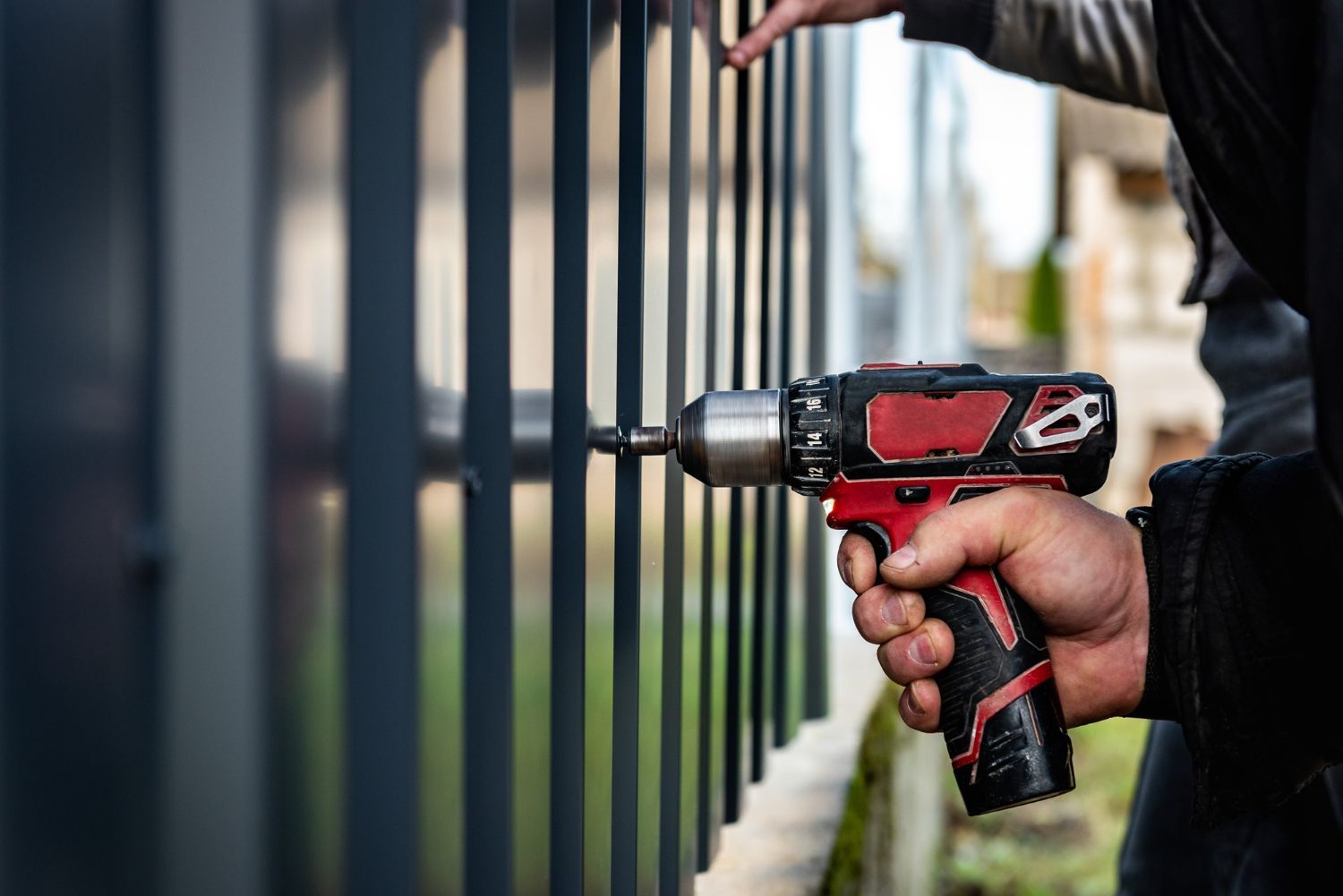
We don’t just show up and start digging. We check the weather, prep the materials, and double-check the layout. A well-installed fence should feel solid from the start. Tools matter, but so does experience. Knowing which detail needs extra care can keep little problems from turning into big ones.
Aftercare and Long-Term Function
Once the work is done, the fence should stay reliable year after year. That’s where maintenance steps in. Simple care helps prevent wear and tear before it builds up.
- Rinse down dirt and debris from time to time, especially after windy days.
- Inspect gates and hinges for rust or loosened screws.
- Post caps and coatings help protect from water and sun so they don’t crack or peel too fast.
Dry, dusty summers and shifting soil are part of life across much of California’s Central Valley. Planning for that early, like picking the right treatment or asking how the materials will hold shape over time, protects the work that already went into the fence. The smoother things run over the years, the less you have to redo.
Success Built from the Ground Up
A strong commercial fence depends on more than just good materials. From the planning stage to installation and upkeep, every step comes together to support how it looks and works over time. We’ve found that doing it the right way takes attention, patience, and respect for the property itself.
When each part is given the care it needs, the final fence offers more than a border line. It brings security, shapes how the space is used, and builds trust that it can hold up through every season ahead.
Planning a project that demands solid results from the ground up? Our team at California Commercial Fence is here to help, making sure every step leads to a fence that works just the way it should. For businesses across California's Central Valley, proper planning and expert support truly make all the difference in achieving a smooth, lasting
commercial fence installation. Let’s talk about your options and help you get started.