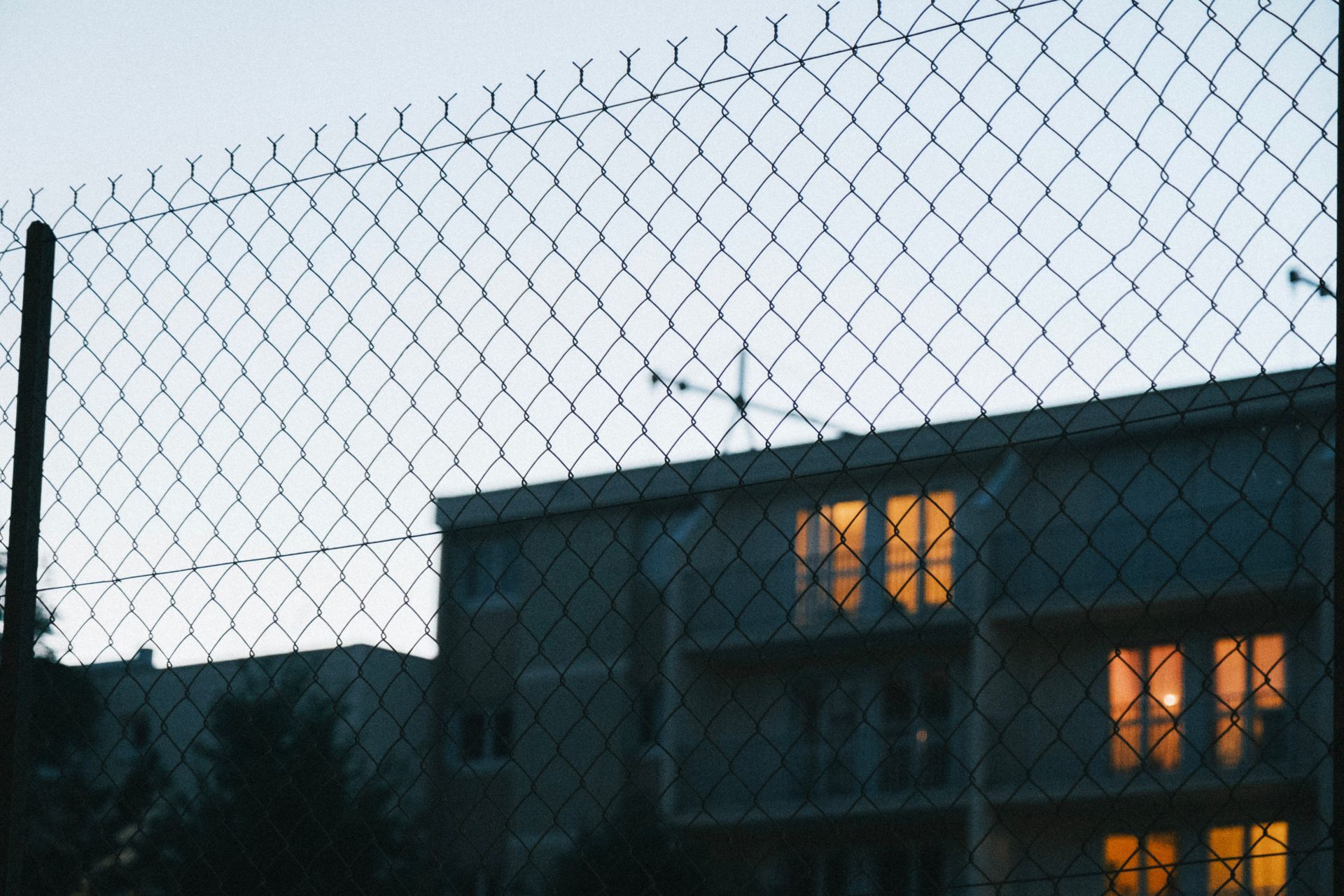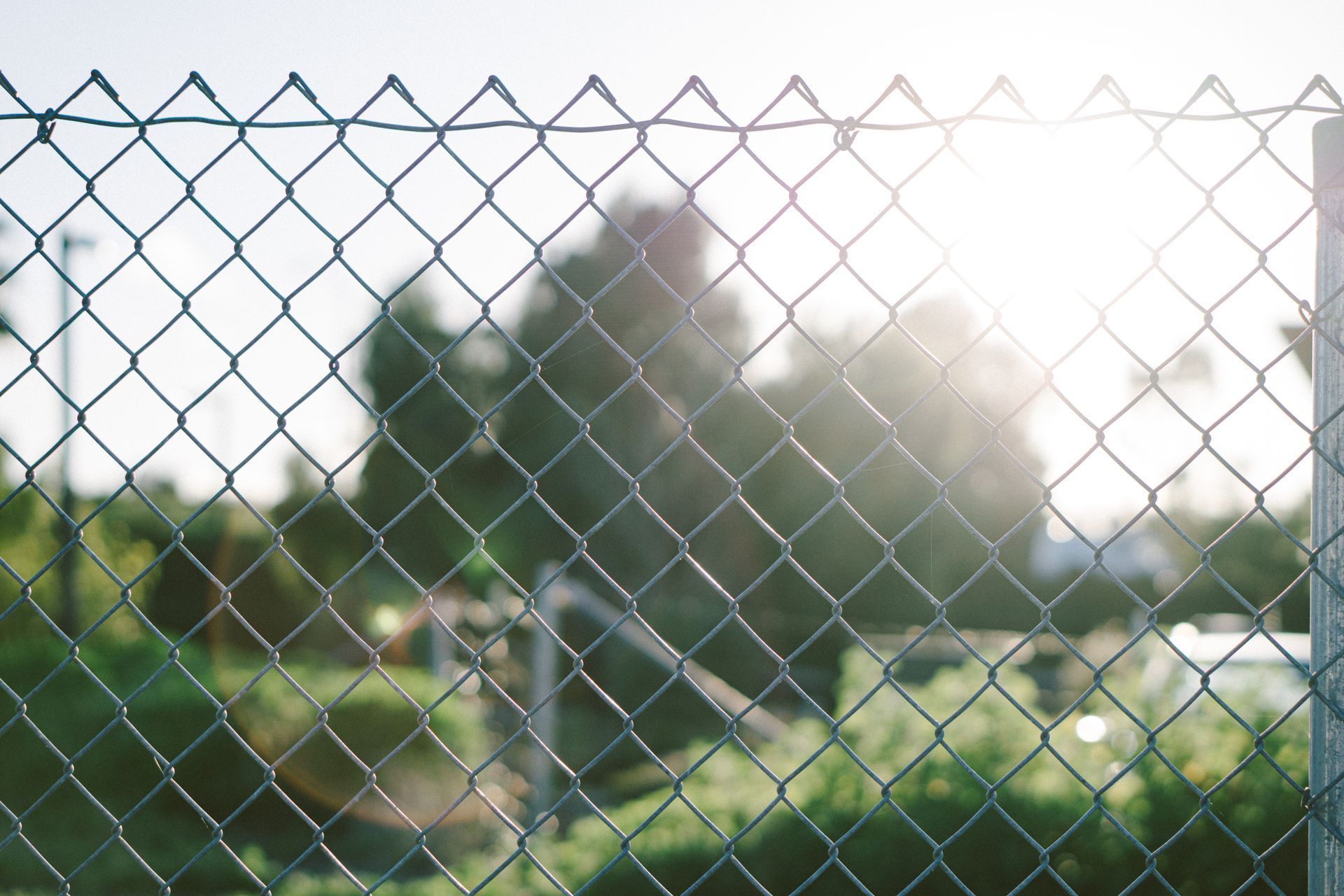
Tips for Maintaining Temporary Fencing in Summer
When summer hits, we know that fences go through more than just daily wear and tear. Long days of heat, dry winds, and dusty air can take a toll, especially on fencing that is not meant to stay up forever. Temporary fencing may seem simple, but it still needs upkeep, especially in places like California’s Central Valley, where the weather can shift fast.
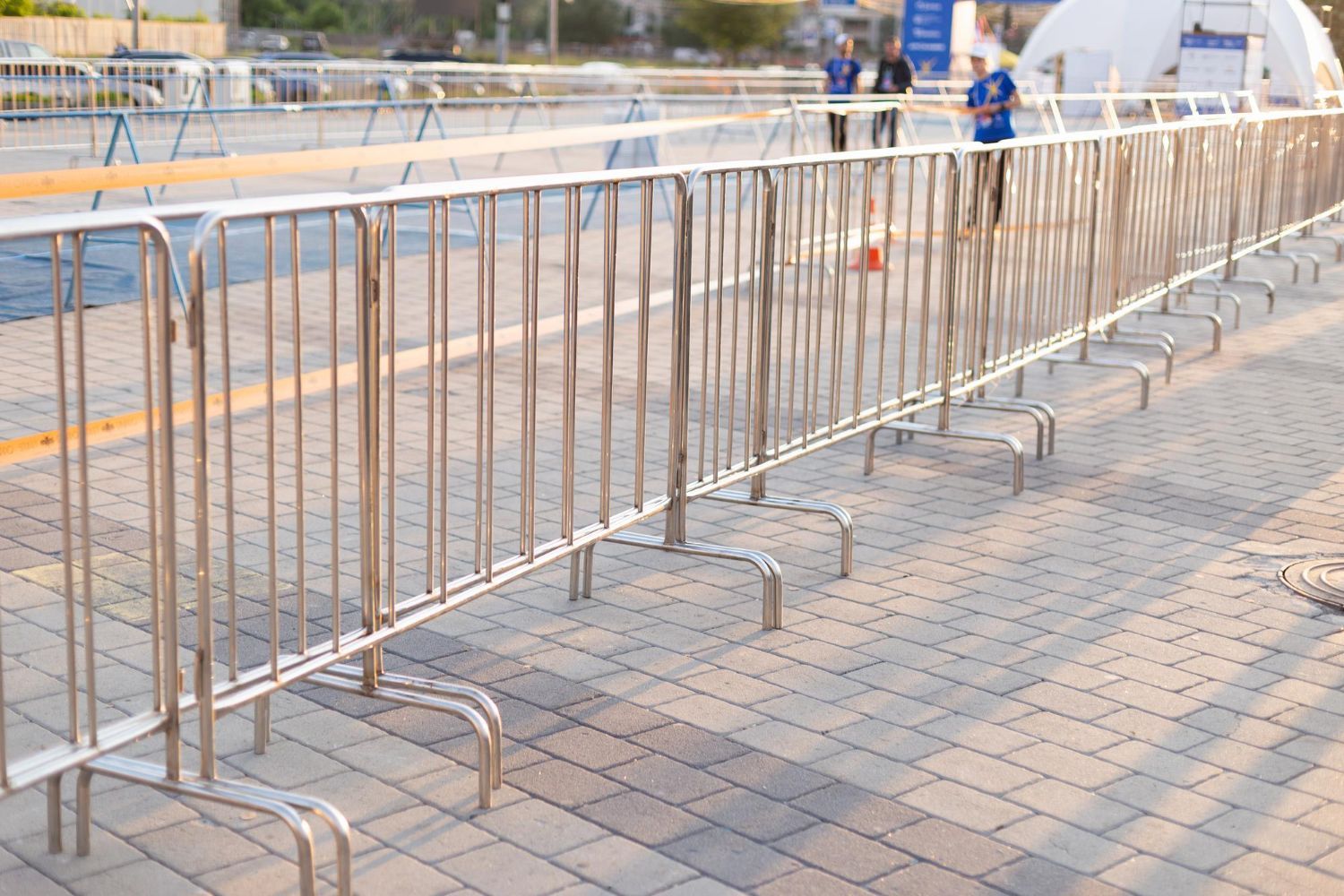
Keeping things in place during hot stretches is part of what makes the right temporary fencing solutions work well. Whether it's at a construction site, setting up for an outdoor event, or managing space around a property, the fences do their job best when they stay secure, upright, and clean. With a few smart steps, we can avoid problems before they happen and keep the setup working through the entire season.
Check for Movement After Wind or Heat
When streets heat up and dry winds kick in, temporary fencing panels can start to shift. Some might tilt, others might pull away from the base. Sometimes it is the soil underneath that changes, especially if there is a lot of back-and-forth between hot and cool evenings.
It helps to walk around the fencing once or twice a week, especially after strong wind gusts or unusually hot days. Look for spots where the base is not flush with the ground or where a panel looks like it is leaning out of line.
- Check for gaps between the ground and panel bases
- Make sure base plates are sitting flat and not lifted at one end
- Re-set or add sandbags or anchors if the panels move easily when touched
Most of these steps do not take long, but they help stop small problems from turning into full resets during busy workdays.
Keep Panels and Gates Free from Dust and Debris
Summer air in Central Valley picks up fine dirt that clings to just about everything, especially fencing along roads or open lots. When it sticks to hinges or collects along the bottom of each panel, it can wear down parts faster or block proper closing and opening.
We keep things working by rinsing off areas that collect dust and watching for buildup before it becomes a problem.
- Rinse hinges, bolts, and corner joints once a week with just water
- Clear away weeds or dry plant matter that gathers around the bottom bar
- If anything looks stuck or rusty, flag it for early repair
Taking a few extra minutes to clean fences is a lot easier than dealing with jammed gates or bent pieces after weeks of hot air packs everything in.
Watch for Loose Ties or Fasteners
Heat makes metal move. Even strong ties or tight joints can loosen up when they expand under the sun and cool off again at night. If that happens too many times, a small wobble can turn into a full panel falling over.
It is worth checking these connecting parts during weekly inspections. With a visual scan and a quick tug on a few fasteners, we can usually catch problems before they get worse.
- Look for zip ties or clamps that have stretched or lost their grip
- Replace links that are cracked or show deep sun wear
- Use fasteners that are made to handle hot, direct sun for longer jobs
The best connections are the ones we can forget about. That usually means they are snug, shaded if possible, and not showing early wear from the summer heat.
Protect the Fence from Direct Sun Exposure
In back-to-back days of high sun, even tough fencing can show signs of wear. Shade is not always an option, but when it is, it can add more life to fencing that is not meant to stay up forever.
Some parts that sit in all-day light, like gate latches or plastic bases, are more likely to crack or fade. That is why we often talk to clients early on about placement and storage.
- Store unused fencing in shaded areas to cut down on baked surfaces
- If a site stays open all summer, check if any UV-safe coatings are needed
- Set up barriers like cloth panels or parked equipment to block direct sunlight, if it makes sense for the area
Even shifting panels a few feet to catch more shade during slow parts of the day can help. Every bit of covered time keeps the material from breaking down early.
Plan Ahead Before Summer Events or Work Sites
By the time July hits, the last thing anyone wants is to be running after fence panels or dealing with missing anchors. A big part of managing fence wear in summer comes down to planning ahead before things even get placed.
Temporary fencing solutions work best when they are picked with weather in mind. Matching layouts to a site and checking parts before delivery reduces issues once work or setup is already in motion.
- Walk the space before fence placement and note spots that get extra wind or full sun
- Make sure extra clamps, ties, sandbags, and repair kits are available before the job starts
- Double-check that fencing matches local safety codes, especially if it surrounds walkways, road edges, or public spaces
When we plan for heat and dust from the start, we are less likely to deal with headaches later.
Stay Summer-Ready with Fencing That Lasts
Temporary fencing does a lot of the hard work, especially around job sites, outdoor events, or open properties that need part-time barriers. Summer can put extra strain on these setups, but with simple checks and smart prep, we can help them do their job all the way through the season.
Taking steps early, like anchoring well, cleaning often, and watching sun exposure, saves us time, keeps people safer, and makes every fence section more reliable. The weather will keep doing what it does, but with a little attention, we can keep things standing strong until the next season rolls around.
When you are ready for long, dry days and warm evenings, a solid fence setup can make all the difference.
Planning ahead for summer work or event setups is easier with our dependable
temporary fencing solutions that stand up to Central Valley heat, wind, and dust. We understand how important it is to keep fencing stable, clean, and in working shape no matter the conditions. Our team removes the guesswork from setup so your site stays secure from start to finish. As you gear up for the busy season, California Commercial Fence is ready to help, contact us today to get started.